

Saturn Vue Engine Coolant Temperature Sensor Guide (2002-2010)
Understand common failures and choose the right replacement Engine Coolant Temperature Sensor for your Saturn Vue.
- A bad ECT sensor can cause poor fuel economy, overheating, and a Check Engine Light with codes like P0117 or P0118.
- For best results, choose a quality aftermarket brand like ACDelco, Delphi, or NTK, as some budget parts are known to fail prematurely.
- Replacement is a simple, low-cost DIY job for most owners, typically taking less than 30 minutes with basic tools.
- Always verify the part fits your specific engine (e.g., 2.2L, 2.4L, 3.5L V6) before purchasing, as there are variations.
Symptoms of a Failing Coolant Temperature Sensor

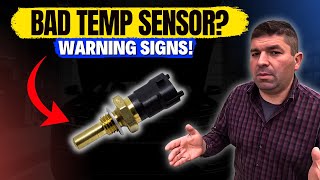
A bad coolant temperature sensor can cause a range of problems, from annoying to serious. Because the sensor's signal is used for so many engine functions, a false reading can confuse the computer. You might notice 🎬 Watch a breakdown of common bad coolant sensor symptoms. one or more of the following issues with your 2002-2010 Saturn Vue.
- Check Engine Light: This is often the first sign. The computer detects a signal from the sensor that is out of the expected range and triggers a warning light. Common trouble codes include P0117 (circuit low) and P0118 (circuit high).
- Poor Fuel Economy: If the sensor incorrectly tells the computer the engine is cold, the computer will enrich the fuel mixture, causing you to use more gas than necessary.
- Black Smoke from Exhaust: A very rich fuel mixture, caused by a bad sensor reading, can result in unburnt fuel entering the exhaust. This can create black smoke.
- Engine Overheating or Erratic Gauge: The sensor controls when the cooling fans turn on. If it fails to report a high temperature, the fans may not activate, leading to overheating. Conversely, you might see a message like "Engine Hot AC Off" even on a cold start if the sensor is sending a false hot signal.
- Rough Idling and Stalling: An incorrect fuel mixture can cause the engine to run rough, hesitate, or stall.
Choosing the Right Aftermarket Sensor

For a vehicle like the 2002-2010 Saturn Vue, you have many aftermarket sensor options. Since General Motors (GM) produced the Vue, parts from their own brands or original suppliers are a safe bet. Here’s how to think about your choices:
Pro Tip: OEM vs. Aftermarket
For a simple but important sensor like the ECT, sticking with brands known for supplying original equipment manufacturers (OEMs) is a smart move. While many budget brands are available, some owners report premature failure with cheaper parts, leading them to do the job twice. Paying a few extra dollars for a quality brand like ACDelco or Delphi provides peace of mind.
Tier 1: OEM-Level Quality
These brands are either the original suppliers to GM or are known for equivalent quality and reliability. They are highly recommended.
- ACDelco: Often the original GM part. Choosing ACDelco is essentially choosing the factory-installed quality. Many consider it the best option to avoid compatibility or quality issues.
- Delphi: A major OEM supplier for GM and other automakers. Delphi sensors are known for their reliability and are often identical to the ACDelco part, sometimes at a lower price.
- NGK/NTK: While famous for spark plugs, NTK (the sensor division of NGK) produces high-quality sensors that meet or exceed OEM specifications.
Tier 2: Reputable Aftermarket Brands
These brands have a strong reputation for quality in the aftermarket and offer a good balance of price and performance.
- Bosch: A global leader in automotive parts, Bosch sensors are a reliable choice.
- Standard Motor Products (Standard Ignition / True Tech): A long-standing aftermarket manufacturer with a reputation for producing durable and reliable electronic components.
- Walker Products: Known for fuel and engine management parts, Walker is a solid choice for a replacement sensor.
Tier 3: Budget-Friendly Options
Brands like Facet, Vemo, and other private labels fall into this category. While they are the most affordable, their long-term reliability can be inconsistent. An owner on a forum noted a cheap part failed, requiring them to spend more money and time on a second repair. These are best suited for those on a strict budget who are willing to accept the risk of a shorter service life.
Common Ordering Mistake
The Saturn Vue was available with several different engines over its lifespan (2.2L 4-cyl, 2.4L 4-cyl, 3.0L V6, 3.5L V6, 3.6L V6). While many sensors fit multiple engines, always confirm the part fits your specific year and engine combination before purchasing.
Cost of Replacing a Saturn Vue Coolant Sensor

The cost is relatively low, especially if you do the work yourself. The part itself is inexpensive, and labor is minimal.
| Item | Cost |
|---|---|
| New Aftermarket Sensor | $7 - $84 |
| Shop Labor | $60 - $120 |
| Total Professional Replacement | $67 - $204 |
Frequently Asked Questions (FAQ)
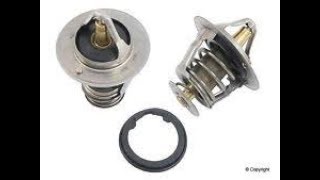
Where is the coolant temperature sensor located 🎬 See the exact sensor and thermostat location on a Vue. on a Saturn Vue?
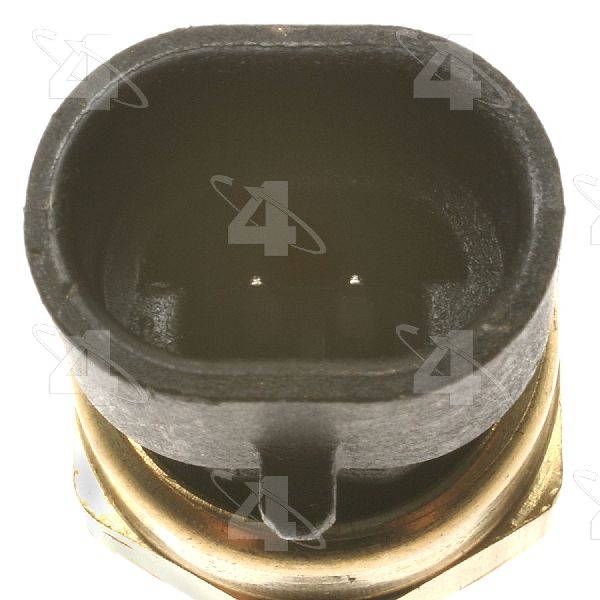
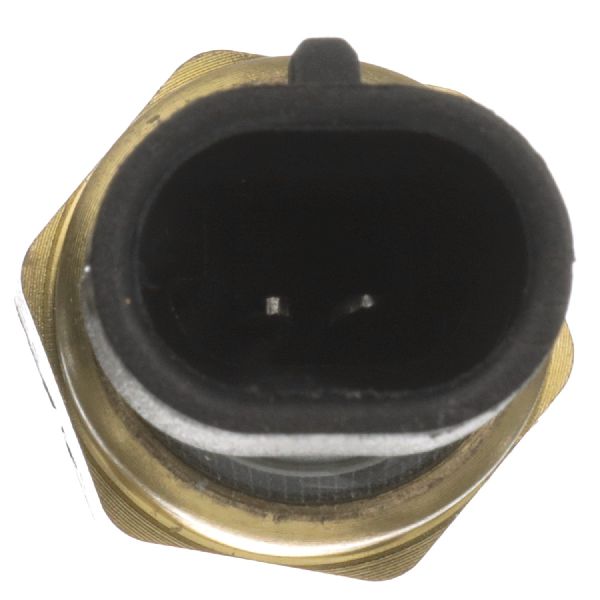
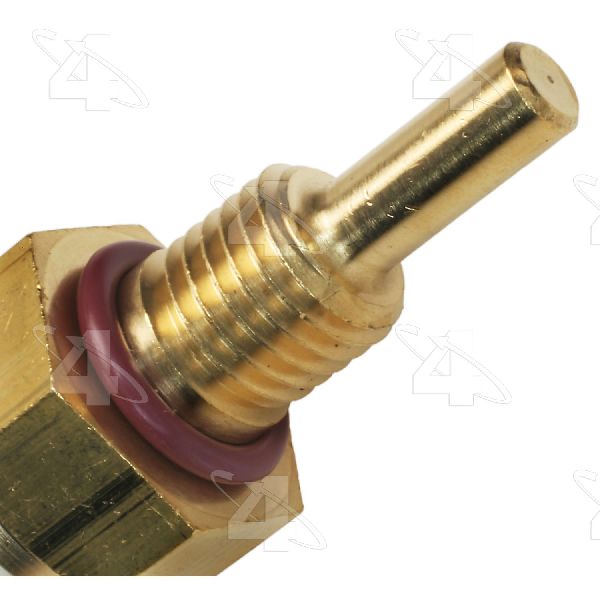
The location depends on your engine. On many 2.2L and 2.4L Ecotec engines, it is located in or near the thermostat housing, on the driver's side of the engine. For V6 models, it can be in a similar area or sometimes on a cylinder head coolant passage. You will typically find it screwed into a place where coolant flows, with a 2-wire electrical connector attached.
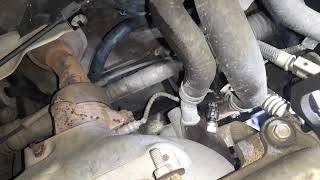
Can I replace the sensor myself? 🎬 Follow this DIY guide to replace your temperature sensor.
Yes, this is a very DIY-friendly job for most home mechanics. It usually requires basic tools like a deep socket (often 19mm) and a ratchet. The main challenge is accessing the sensor, which may require removing the air intake tube. You will lose a small amount of coolant, so have some spare fluid and a drain pan ready.
Do I need to drain all the coolant to replace it?
No, you don't need to drain the entire system. The sensor is usually high up on the engine. If you work quickly, you will only lose a small amount of coolant. A pro tip is to loosen the new sensor and have it ready to swap in immediately after removing the old one to minimize coolant loss. Leaving the radiator cap on can also create a slight vacuum that slows the flow.
Are there any recalls for the Saturn Vue coolant sensor?
A search of NHTSA records did not show any specific recalls for the engine coolant temperature sensor on the 2002-2010 Saturn Vue. However, a Technical Service Bulletin (TSB) for some later model GM vehicles (not specifically the Vue but with similar systems) noted that a software issue could cause a false ECT sensor code (P111E), and the fix was a computer reflash, not a new sensor. This is uncommon for the Vue but highlights the importance of proper diagnosis.
Helpful Videos

Technical Specifications
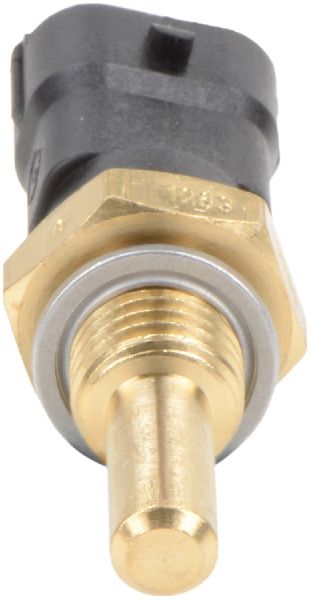
OEM Part Numbers: 12639899 15326388 12191170 15369305 25037062
Typically a 2-pin, blade-style connector. The sensor is a thermistor that changes resistance based on temperature.
We Have This Part in Stock


The information in this article is provided for general reference and educational purposes only. Vehicle specifications, procedures, and part compatibility can vary by production date, trim level, and region. Always consult your vehicle's factory service manual and verify part numbers before purchasing or performing repairs. Safety-critical components such as airbags, seat belts, and braking systems should be installed by a qualified professional.
- Saturn Vue:
- 🎬 Helpful Videos
- 🛍️ Shop This Part
- Symptoms of a Failing Coolant Temperature Sensor
- Choosing the Right Aftermarket Sensor
- Pro Tip: OEM vs. Aftermarket
- Tier 1: OEM-Level Quality
- Tier 2: Reputable Aftermarket Brands
- Tier 3: Budget-Friendly Options
- Common Ordering Mistake
- Cost of Replacing a Saturn Vue Coolant Sensor
- Frequently Asked Questions (FAQ)
- 🎟️ Get 5% Off