

Saturn Vue Steering Tie Rod End Replacement Guide (2002-2010)
Address steering wander and uneven tire wear by understanding how to choose the right tie rod ends for your Vue.
- A bad tie rod end is a critical safety issue; do not drive with known worn parts as it can lead to a loss of steering control.
- Symptoms include steering vibration, wandering, clunking noises, and uneven tire wear.
- An alignment is mandatory after replacement to prevent poor handling and rapid tire destruction.
- Premium brands like Moog, TRW, and ACDelco Professional often offer better longevity, with some featuring serviceable grease fittings.
Signs of a Failing Tie Rod End on a Saturn Vue
A worn tie rod end on your 2002-2010 Saturn Vue will make its presence known through several distinct symptoms. Because this part is essential for steering control, it's important to address these signs promptly.
- Steering Wheel Vibration: You may feel a shaking or vibration in the steering wheel, which often gets worse as you accelerate or turn. This is caused by looseness in the joint.
- Loose or Wandering Steering: The vehicle may feel like it's wandering on the road, requiring constant small corrections to keep it straight. This indicates excessive play in the steering linkage.
- Clunking or Knocking Noises: A common sign is a clunking or rattling sound from the front end, especially noticeable at low speeds or when turning over bumps. This is the sound of the worn metal joint moving around in its socket.
- Uneven Tire Wear: Inspect your front tires. A bad tie rod end will disrupt the wheel alignment, causing the inside or outside edge of a tire to wear out much faster than the rest of the tread.
- Squealing Sounds: A high-pitched squeal when turning can indicate that the protective rubber boot has torn, allowing grease to escape and dirt to enter the joint.
Is It Safe to Drive with a Bad Tie Rod End?
No. A worn tie rod end is a significant safety risk. If the joint separates completely, you will lose steering control of that wheel, which could lead to a serious accident. It is strongly recommended to have the vehicle inspected and repaired as soon as symptoms appear.
Known Issues for 2002-2010 Saturn Vue
While searches for specific tie rod end recalls or Technical Service Bulletins (TSBs) were negative, some related steering and suspension issues for the Saturn Vue have been noted:
- Power Steering Recall (2008-2009): NHTSA recall 08V470000 was issued for some 2008-2009 Vue models due to a power steering line nut that could loosen, causing a fluid leak and potential fire risk. This does not directly involve the tie rod ends but is a critical safety issue for the steering system of these model years.
- Ignition Key Recall (2002-2004): A recall (NHTSA 14506A) was issued because the key could be removed when not in the "Off" position, potentially leading to a vehicle rollaway. This could result in a loss of power steering if the engine shuts off while moving.
- Suspension Investigation (2002-2004): In 2004, NHTSA investigated the rear suspension of 2002-2004 models after failures during testing, though this did not directly relate to the front steering tie rods.
Choosing the Right Aftermarket Tie Rod End
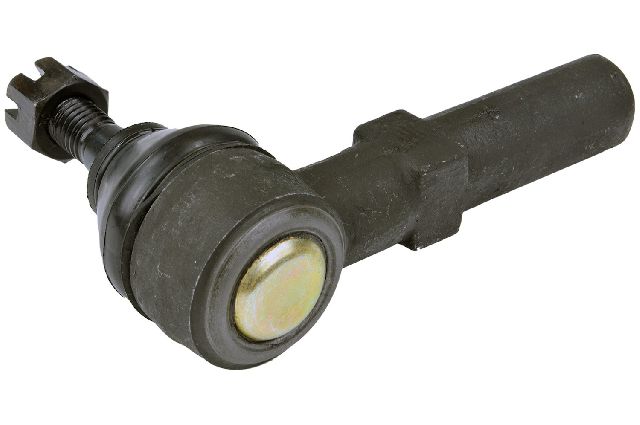
For the Saturn Vue, several aftermarket brands are available, offering a range of quality and price. Since General Motors has discontinued the Saturn brand, aftermarket parts are the most common and practical choice. Quality can vary, so it's helpful to think of them in tiers.
Brand Quality Tiers
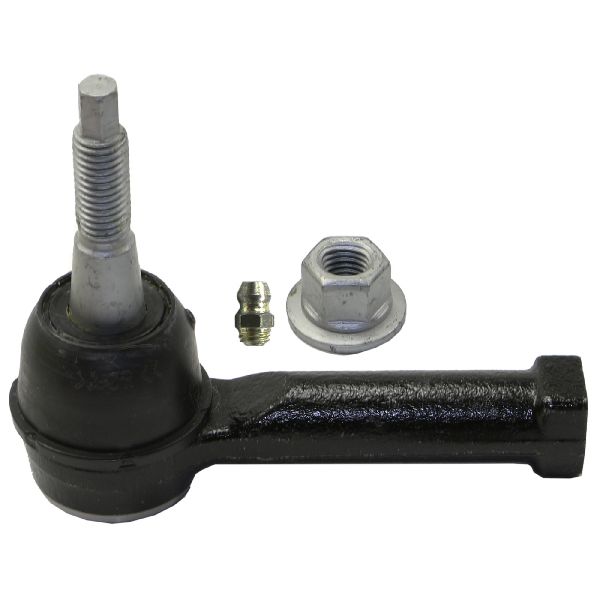
- Premium Brands (Moog, TRW, ACDelco Professional): These brands are often considered top-tier in the aftermarket. Moog's "Problem Solver" line is known for design improvements over the original, such as grease fittings that allow for periodic maintenance to flush out contaminants and extend life. TRW is a major OEM supplier and their aftermarket parts are typically built to high standards. ACDelco is GM's own parts brand, with their "Professional" line representing high-quality aftermarket options.
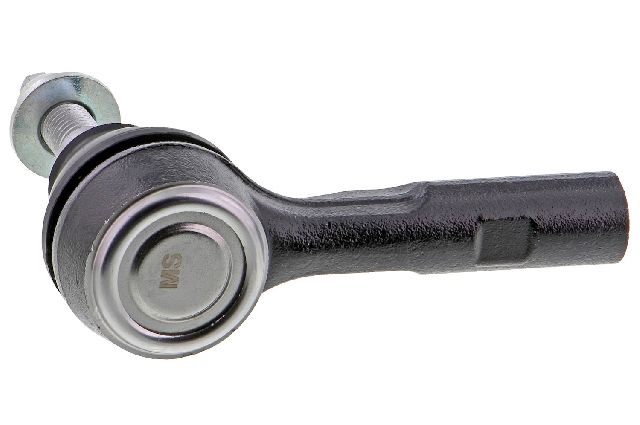
- Standard/Mid-Grade Brands (Mevotech, Delphi, Beck Arnley): These brands offer a good balance of quality and cost. Mevotech has gained a reputation for its durable "TTX" line, which some mechanics prefer over Moog for corrosion resistance and durability. However, experiences can vary, with some users reporting shorter lifespans on their standard lines. Delphi and Beck Arnley are also solid choices that often meet or exceed OEM specifications.
- Economy Brands (QuickSteer, Dorman, other store brands): These parts are the most affordable and can be a viable option for a budget-conscious repair. However, they may not have the same longevity or robust construction as premium brands. They are best suited for drivers who do not put extreme stress on their vehicle.
Pro Tip: Many technicians recommend replacing tie rod ends in pairs. If one side has failed due to age and wear, the other side is likely not far behind. This also ensures even steering response and allows for a single alignment service.
Cost to Replace Saturn Vue Tie Rod Ends
| Part / Service | Estimated Cost |
|---|---|
| New Aftermarket Tie Rod End (Single) | $15 - $59 |
| Shop Labor (Single) | $95 - $150 |
| Wheel Alignment (Required after replacement) | $80 - $120 |
| Total Estimated Cost (Single, Professional) 🎬 See how to replace inner and outer tie rods yourself. | $190 - $329 |
Note: Costs are estimates and can vary based on your location, the specific part brand chosen, and the repair shop's labor rates.
Frequently Asked Questions (FAQ)
Do I need an alignment after replacing my tie rod ends?
Yes, absolutely. Replacing a tie rod end will always change the front wheel alignment, specifically the "toe" setting. Driving without a proper alignment will cause poor handling and rapid, uneven tire wear. You must have a professional four-wheel alignment performed immediately after the repair.
Should I replace the inner or outer tie rod end?
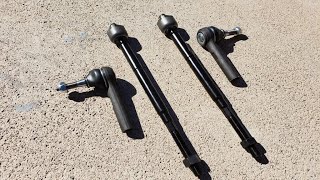
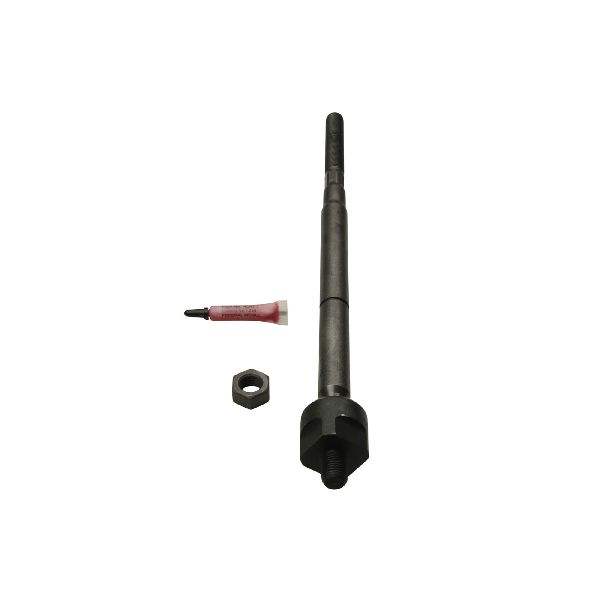
The outer tie rod ends are more commonly subject to wear and failure. However, a thorough inspection should be done to check for play in the inner tie rods as well. You can check for wear by safely jacking up the front of the vehicle and trying to wiggle the tire side-to-side. If you feel play or hear clunking, watch the tie rod joints to see where the movement is coming from.
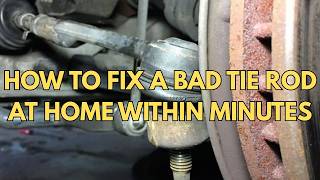
🎬 Watch this video to learn how to diagnose bad tie rods.Are the tie rod ends different for the first (2002-2007) and second (2008-2010) generation Vue?
Yes, part numbers can differ. The 2002-2007 Vue uses different inner tie rods than the 2008-2010 models. However, some outer tie rod ends are shared with other GM vehicles and may fit across multiple years. Always verify the part fitment for your specific year, model, and engine before purchasing.
What's the difference between a greasable and sealed tie rod end?
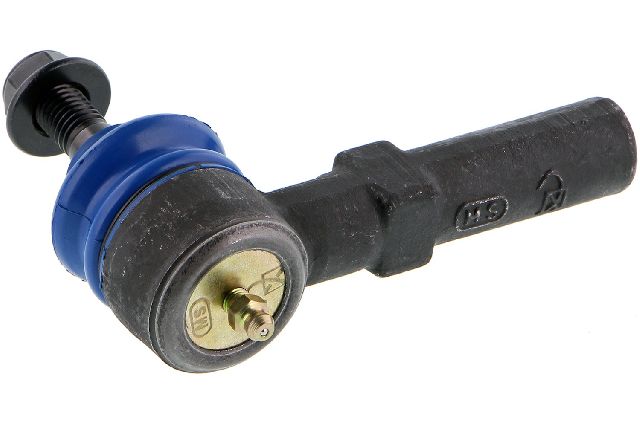
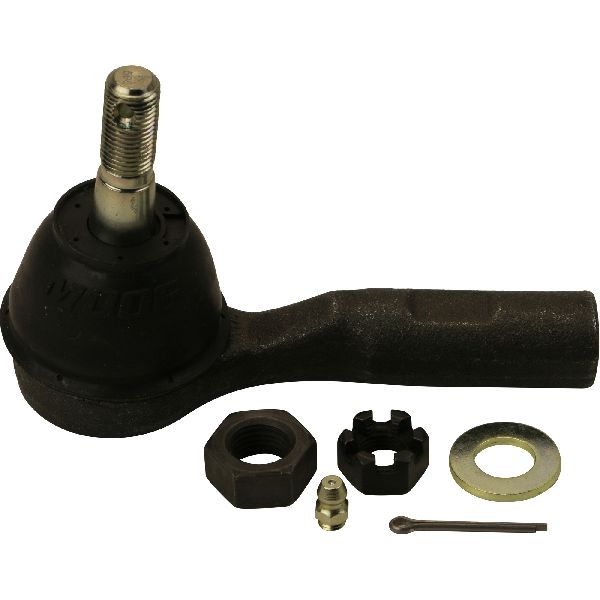
Greasable tie rod ends (like many from Moog) have a zerk fitting that allows you to add fresh grease periodically. This can flush out old grease and contaminants, potentially extending the part's life. Sealed units are lubricated for life and require no maintenance, similar to the original factory parts. While convenient, if the seal fails, the part cannot be re-greased and will wear out quickly.
Helpful Videos
Technical Specifications
The Saturn Vue was produced in two distinct generations (2002-2007 and 2008-2010). While some outer tie rod ends may be compatible across years, inner tie rods are generally specific to the generation. Always confirm part numbers against your vehicle's specific year and sub-model.
We Have This Part in Stock

The information in this article is provided for general reference and educational purposes only. Vehicle specifications, procedures, and part compatibility can vary by production date, trim level, and region. Always consult your vehicle's factory service manual and verify part numbers before purchasing or performing repairs. Safety-critical components such as airbags, seat belts, and braking systems should be installed by a qualified professional.
- Saturn Vue:
- 🎬 Helpful Videos
- 🛍️ Shop This Part
- Signs of a Failing Tie Rod End on a Saturn Vue
- Is It Safe to Drive with a Bad Tie Rod End?
- Known Issues for 2002-2010 Saturn Vue
- Choosing the Right Aftermarket Tie Rod End
- Brand Quality Tiers
- Cost to Replace Saturn Vue Tie Rod Ends
- Frequently Asked Questions (FAQ)
- 🎟️ Get 5% Off