

Engine Coolant Temperature Sensor Guide for 2002-2011 BMW 323i
Experiencing poor fuel economy, rough idling, or an overheating engine in your 323i? A faulty coolant sensor could be the problem.
- A failing sensor can cause a wide range of issues, from bad gas mileage to a constantly running radiator fan or overheating.
- For E90 models (2006-2011), the main sensor is on the cylinder head and is relatively easy to access and replace for a DIYer.
- Always replace the sealing washer with the new sensor and be careful not to overtighten it.
- After replacement, the cooling system must be properly bled to remove air pockets and prevent overheating.
Symptoms of a Failing Coolant Temperature Sensor
When the coolant temperature sensor in your 323i starts to fail, it can send incorrect signals to the engine's computer, leading to a variety of noticeable problems. You might not always get a Check Engine Light right away, but you'll likely experience performance issues.
- Check Engine Light: The most obvious sign. A fault code like 2EE0 may be stored in the system.
- Poor Fuel Economy: If the sensor incorrectly tells the computer the engine is always cold, the computer will enrich the fuel mixture, causing you to use more gas than necessary.
- Rough Idle or Poor Performance: An incorrect fuel mixture can cause the engine to shake, vibrate, or feel sluggish and lose power.
- Engine Overheating: A faulty sensor might fail to signal the electric cooling fans to turn on when needed, leading to the engine running too hot.
- Radiator Fan Runs Constantly: Conversely, the sensor can fail in a way that makes the computer think the engine is always overheating. This causes the radiator fan to run at full speed, sometimes sounding like a jet engine, even when the car is not hot.
- Black Smoke from Exhaust: A very rich fuel mixture that isn't burning completely can result in black smoke coming from the tailpipe.
Choosing the Right Aftermarket Sensor
When replacing the coolant sensor on your 323i, you have options ranging from budget-friendly to OEM-quality aftermarket parts. The original sensor is often made by a major German manufacturer, but several aftermarket brands provide reliable alternatives.
A Note on BMW Generations
The 2002-2011 year range covers two different 3-Series generations: the E46 (ending around 2005) and the E90 (starting around 2006). The E90 323i with the N52 engine is more common in the North American market for the latter half of this range. These generations have different sensor locations. On the E90/N52 engine, there is one sensor on the cylinder head near the oil filter housing and another on the lower radiator hose. The E46 sensor is in a more difficult-to-reach spot on the cylinder head, often requiring removal of the intake manifold.
Aftermarket Brand Tiers
- OEM-Quality Aftermarket (Vemo, NGK/NTK, Standard Ignition): Brands like Vemo are known for producing parts for European vehicles. NGK (under their NTK electronics line) and Standard Ignition are reputable global manufacturers that produce sensors to tight tolerances for accurate readings and reliability. These are often a safe bet for quality without the full price of a genuine BMW part.
- Standard Replacement (URO Parts, Holstein, Four Seasons): URO Parts are a common aftermarket option for European cars, often positioned as a direct alternative to genuine parts. Forum discussions suggest they are suitable for non-critical components, but some owners prefer higher-quality brands for engine sensors to ensure longevity. Four Seasons and Holstein are also established aftermarket suppliers.
- Budget-Friendly (Global Parts, True Tech): These brands typically offer the most affordable options. While functional, they may not have the same long-term durability or precise calibration as higher-tiered brands. They can be a viable choice for an immediate, low-cost repair.
| Part Type | Estimated Cost |
|---|---|
| New OEM | $45 - $80 |
| New Aftermarket | $19 - $55 |
| Shop Labor | $75 - $150 |
Frequently Asked Questions (FAQ)
Where is the engine coolant temperature sensor located on a 2002-2011 BMW 323i?
It depends on the generation. For the E90 (2006-2011) with the N52 engine, there are two sensors. The main one is located on the cylinder head, near the oil filter housing. There is also a secondary sensor on the lower radiator hose on the passenger side. For the earlier E46 (2002-2005), the main sensor is on the cylinder head but is much harder to access and may require removing the intake manifold.
Can I replace the coolant temperature sensor myself?
Yes, this is a feasible DIY job for many owners, especially on the E90 models where the sensor is more accessible. You will need a 22mm wrench or deep socket. The job should be done on a completely cold engine to avoid burns and pressure release from the cooling system. While you don't have to drain the entire cooling system, be prepared for some coolant to spill out when you remove the old sensor. Always use a new sealing washer and be careful not to overtighten the new sensor.
Do I need to bleed the cooling system after replacing the sensor?
Yes. Any time air is introduced into the cooling system, it must be bled properly. BMWs, particularly with electric water pumps, have a specific bleeding procedure that involves turning the ignition on (without starting the engine), setting the heat to high, and allowing the pump to cycle. Failing to bleed the system can lead to air pockets and cause overheating.
Are there any recalls for the coolant temperature sensor on the 323i?
No specific recalls were found for the engine coolant temperature sensor itself. However, a Technical Service Bulletin (TSB) exists for some BMW models (SI B12 07 12) that mentions replacing the sensor and installing a harness repair kit for issues related to fault code 2AF9, which can be caused by a faulty sensor or connection. The 2002-2011 323i has been subject to other recalls, most notably for Takata airbags.
Technical Specifications
OEM Part Numbers: 13621433076
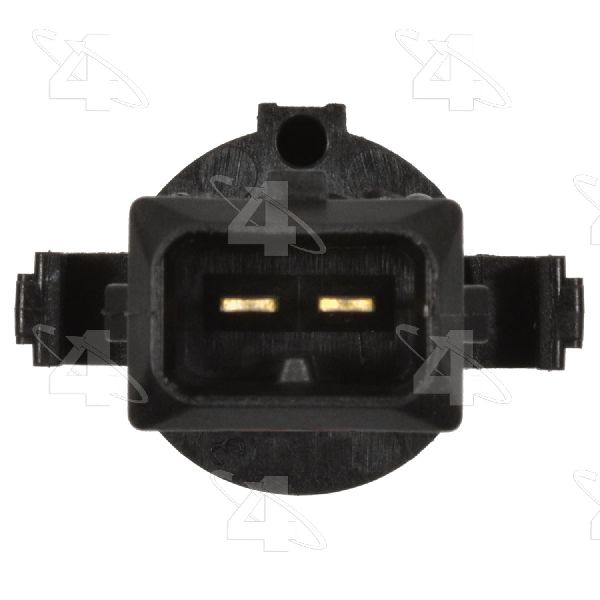
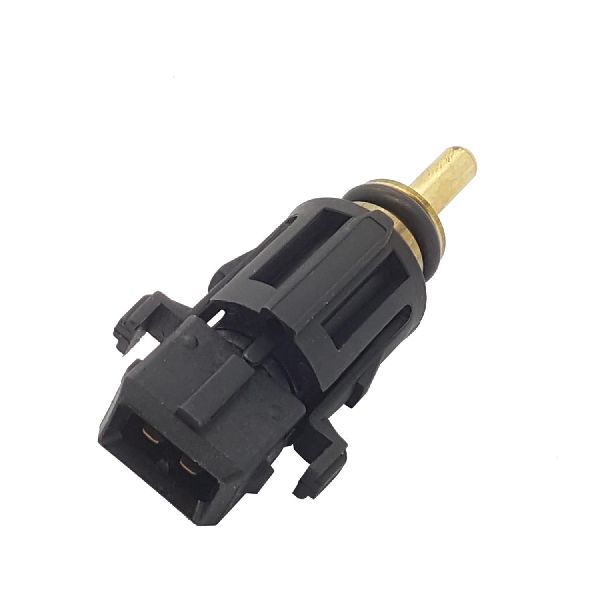
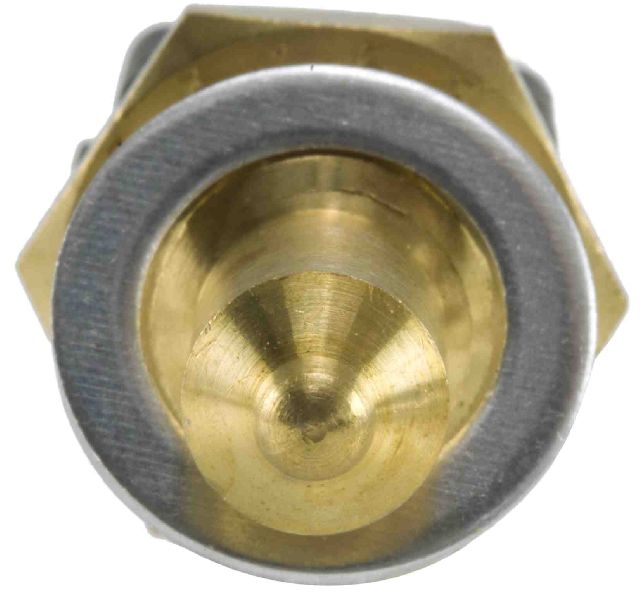
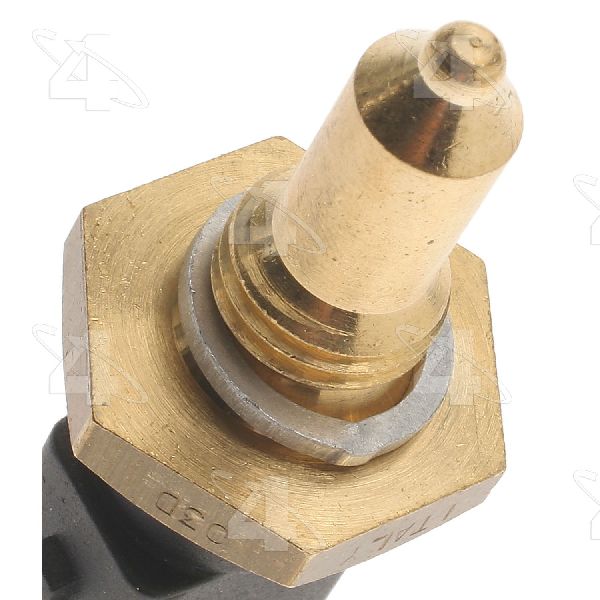
The primary sensor for the E90 323i is located on the cylinder head and requires a 22mm wrench or deep socket for removal. It uses a sealing washer that must be replaced. The sensor works as a thermistor, changing its electrical resistance based on coolant temperature.
We Have This Part in Stock


The information in this article is provided for general reference and educational purposes only. Vehicle specifications, procedures, and part compatibility can vary by production date, trim level, and region. Always consult your vehicle's factory service manual and verify part numbers before purchasing or performing repairs. Safety-critical components such as airbags, seat belts, and braking systems should be installed by a qualified professional.
- BMW 323i: