

Ford Explorer Accessory Drive Belt Tensioner Guide (2002-2011)
Stop the squeal and protect your engine by learning how to spot and replace a failing belt tensioner on your Explorer.
- A squealing noise is the most common sign of a weak tensioner; do not ignore it.
- Always replace the serpentine belt and tensioner together to ensure a long-lasting repair.
- Aftermarket brands like Gates, Dayco, and Continental are trusted, high-quality options for this part.
- If the belt breaks, your Explorer will lose power steering and begin to overheat immediately, leaving you stranded.
Is Your Explorer's Belt Tensioner Failing?
A failing belt tensioner on the 2002-2011 Ford Explorer is a common issue as these trucks age. The internal spring weakens or the pulley bearing wears out, causing problems that can leave you stranded. Ignoring the signs can lead to the serpentine belt coming off completely, which instantly stops your alternator, power steering, and water pump from working. This can cause your engine to overheat and your battery to die.
Symptoms of a Bad Tensioner on a Ford Explorer
Listen and look for these specific signs on your Explorer:
- Squealing or Chirping Noises: This is the most common symptom. A high-pitched squeal when you start the engine, accelerate, or turn the steering wheel usually means the tensioner is weak and the belt is slipping.
- Grinding or Rumbling Noise: If you hear a grinding or humming sound from the front of the engine, the bearing inside the tensioner pulley is likely failing. You can confirm this by removing the belt and spinning the pulley by hand; if it feels rough or makes noise, it's bad.
- Visible Wear on Serpentine Belt: A bad tensioner can cause uneven or premature wear on your belt. Look for frayed edges, glazing, or cracks.
- Accessory Problems: If your headlights seem dim, the power steering feels heavy, or the A/C performance is poor, it could be due to the belt slipping because of a weak tensioner.
Known Issues: 4.0L SOHC Engine
While the accessory belt tensioner is a common wear item, owners of the 4.0L SOHC V6 engine should also be aware of timing chain tensioner issues. A rattling noise, especially on startup, can sometimes be mistaken for a bad accessory tensioner but may actually be a more serious internal engine problem related to the timing chain guides or tensioners. If you hear a deep rattle and not a high-pitched squeal, further diagnosis is recommended.
Choosing the Right Aftermarket Tensioner
For the 2002-2011 Explorer, many aftermarket brands offer quality that is equal to or exceeds the original Ford (Motorcraft) part. In many cases, brands like Gates and Dayco are the original equipment manufacturers (OEM) for Ford. You don't need to pay a premium for the Motorcraft box to get a reliable part.
Brand Quality Tiers
- Tier 1 (OEM Quality): Gates, Continental, and Dayco are widely considered top-tier brands for belt system components. They are often the OEM suppliers and provide excellent durability and fit. Many mechanics and experienced owners recommend sticking with these brands for reliability.
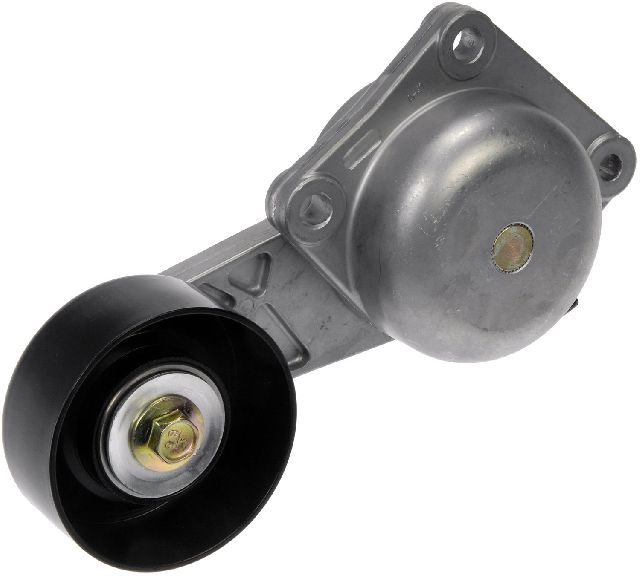
- Tier 2 (Standard Aftermarket): Dorman offers a wide range of aftermarket parts and is a decent option. While generally reliable, some forum users have noted occasional quality inconsistencies compared to Tier 1 brands for belt components.
Pro Tip: Replace as a Kit
It is highly recommended to replace the serpentine belt at the same time as the tensioner. A worn belt can put extra strain on a new tensioner, and a weak tensioner can ruin a new belt. Buying them together in a kit can save money and prevent future problems.
Estimated Replacement Costs
| Part Type | Cost Range |
|---|---|
| New Aftermarket Tensioner | $62.18 - $126.20 |
| New OEM (Motorcraft) Tensioner | $90 - $180 |
| Shop Labor | $100 - $180 |
| Total Professional Replacement | $160 - $360 |
Cost estimates are approximate and can vary based on location and specific vehicle configuration.
Frequently Asked Questions
Can I just replace the pulley on the tensioner?
While some tensioners allow for the pulley to be replaced separately, it is generally not recommended. The internal spring of the tensioner assembly wears out over time just like the pulley bearing. Replacing only the pulley is a temporary fix, and the weak spring will likely cause belt slipping issues to return. For a complete and lasting repair, replace the entire assembly.
Should I replace the idler pulley(s) at the same time?
Yes, it's a good idea. The idler pulleys guide the serpentine belt and their bearings wear out just like the tensioner pulley. Since you already have the belt off, replacing the idler pulleys adds minimal labor and helps ensure the entire drive belt system is reliable. Spin them by hand; if you feel any roughness or hear noise, they need to be replaced.
Is this a difficult DIY job?
For most DIYers with basic tools, this is a very manageable job. Access is generally straightforward from the top of the engine bay. The main steps involve using a ratchet or serpentine belt tool to release tension, removing the old belt, unbolting the tensioner (usually held by one or three bolts), and installing the new parts. The estimated time is about one hour.
Are there any recalls on the belt tensioner for this Explorer?
No, there are no specific recalls from Ford or NHTSA for the accessory drive belt tensioner on the 2002-2011 Ford Explorer. Failures are considered normal wear and tear. There have been unrelated recalls for this vehicle generation, but none pertain to the belt drive system.
Technical Specifications
OEM Part Numbers: 6L2Z6B209A 1L2Z6B209AA
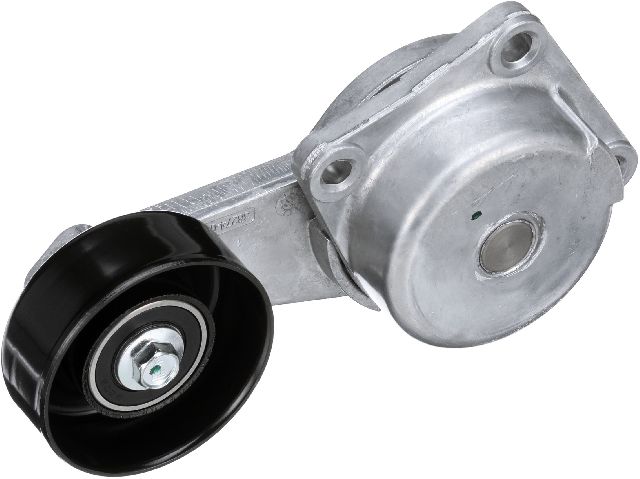
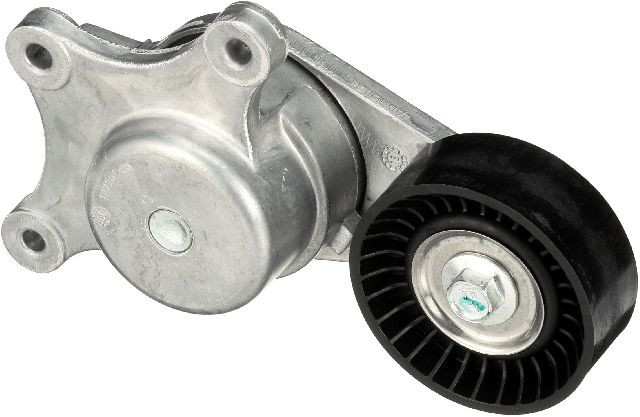
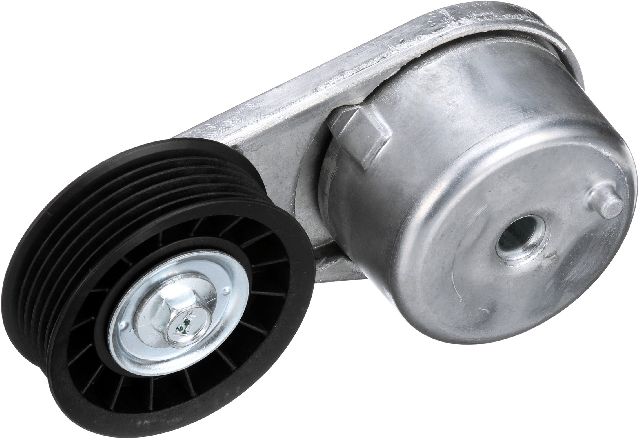
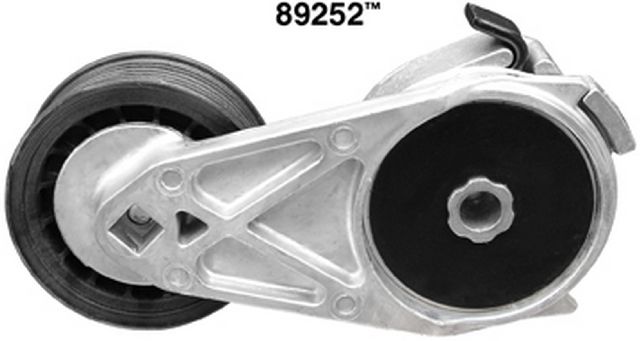
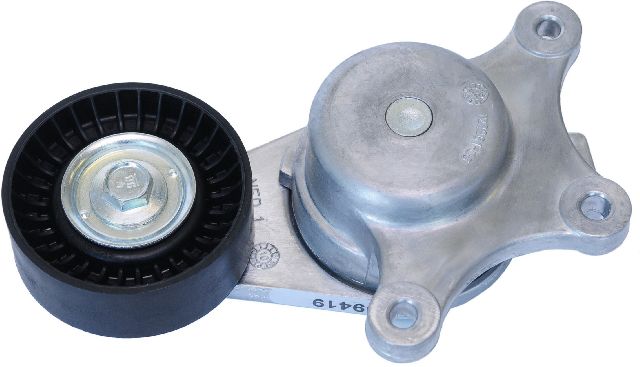
The 2002-2011 Ford Explorer used two primary engines, the 4.0L SOHC V6 and the 4.6L SOHC/3V V8. The tensioner design and mounting differ between these engines, so it is critical to order the part specific to your engine. The V6 tensioner is typically mounted with a single center bolt, while the V8 version uses a three-bolt pattern.
We Have This Part in Stock

The information in this article is provided for general reference and educational purposes only. Vehicle specifications, procedures, and part compatibility can vary by production date, trim level, and region. Always consult your vehicle's factory service manual and verify part numbers before purchasing or performing repairs. Safety-critical components such as airbags, seat belts, and braking systems should be installed by a qualified professional.
- Ford Explorer: