

A Guide to Replacing Ignition Coils on the 2002-2011 Ford Explorer
Misfires and a rough idle on your Explorer could mean it's time for new ignition coils; here's how to choose the right parts.
- A flashing check engine light is a critical warning to stop driving to prevent catalytic converter damage.
- Always replace the spark plugs when replacing ignition coils to prevent premature failure of the new parts.
- For reliability close to factory standards, choose OEM-supplier brands like Denso or the original Motorcraft coils.
- Replacing the coils is a beginner-friendly DIY job that requires only basic tools and can be done in about an hour.
Is Your Explorer Showing Signs of a Bad Ignition Coil?

Ignition coil failure is a common problem on Ford Explorers as they get older. Constant exposure to high engine heat can cause the coil's internal components and its plastic housing to degrade over time. When a coil begins to fail, it can no longer provide the strong, consistent spark the engine requires, leading to several performance issues.
Flashing Check Engine Light: A Serious Warning
If your check engine light is flashing, it signals a severe engine misfire. This condition can quickly overheat and destroy your catalytic converter, a very expensive repair. If you see a flashing check engine light, you should stop driving as soon as it is safe to do so.
Choosing the Right Aftermarket Ignition Coil for Your Explorer

When shopping for new ignition coils, you'll find a wide range of brands and prices. While budget-friendly options are tempting, they often have higher failure rates according to owner forums. Here’s a breakdown of your options to help you make an informed decision.
Brand Quality Tiers
- OEM (Motorcraft): Ford's own brand, Motorcraft, is the gold standard for quality and reliability. These coils are designed specifically for your Explorer and are the safest choice for long-term performance, though they are the most expensive.
- Premium Aftermarket (Denso, NGK, Delphi): Many of these brands are Original Equipment suppliers for various automakers, including Ford. Denso, for example, is known to manufacture coils for Motorcraft, sometimes with the only difference being the branding. These parts offer a great balance of quality, performance, and price, often meeting or exceeding OEM specifications.
- Performance Aftermarket (MSD, Accel, Granatelli): Brands like MSD and Accel focus on high-performance applications, offering coils that may provide a stronger spark than stock. Reviews often mention improved throttle response. These are a good option if you're looking for a potential performance upgrade, but quality can vary.
- Standard/Value Aftermarket (Hella, Prenco, and others): These brands provide a functional replacement at a lower cost. While they can be a good choice for a budget-conscious repair, some owner discussions point to a shorter lifespan compared to premium or OEM options.
| Part Type | Cost (Single Coil) | Cost (Set of 6 or 8) |
|---|---|---|
| New OEM (Motorcraft) | $50 - $80+ | $350 - $650+ |
| New Aftermarket (Premium) | $40 - $70 | $200 - $400 |
| New Aftermarket (Standard/Value) | $21 - $40 | $120 - $240 |
| *Costs are estimates and can vary by brand, retailer, and engine type (V6 vs. V8). Labor is not included. | ||
Frequently Asked Questions (FAQ)

Do I need to replace all the ignition coils at once?
It is highly recommended. Ignition coils on your Explorer are all the same age and have been exposed to the same heat and conditions. If one has failed, others are likely to fail soon. Replacing them all at once saves you from repeating the repair in the near future and ensures consistent engine performance.
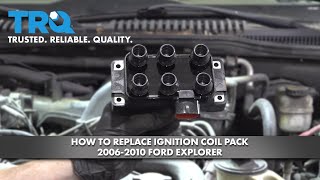
🎬 Watch: Step-by-step guide to replacing your Explorer's ignition coilsShould I replace the spark plugs at the same time?
Yes, absolutely. The ignition coils must be removed to access the spark plugs, so replacing them at the same time saves on future labor. More importantly, old or worn spark plugs can put extra strain on the new coils, causing them to fail prematurely. For the 4.6L V8 engine, be aware of the well-known issue where spark plugs can break during removal; proceed with caution or use a special tool.
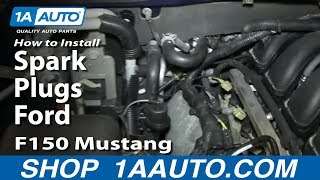
🎬 See how to safely remove and replace your spark plugsHow do I know which coil is bad?
If your check engine light is on, an OBD-II scanner will give you a code that points to the problem cylinder. Codes P0301 through P0308 indicate a misfire on the corresponding cylinder (e.g., P0304 is cylinder 4). Codes P0351 through P0358 point directly to a fault in the ignition coil's circuit for that cylinder. If you don't have a scanner, a common diagnostic trick is to swap the suspected bad coil with one from a known good cylinder. If the misfire code or symptom moves to the new cylinder, you've confirmed the coil is faulty.
🎬 Watch this walkthrough for diagnosing a tricky cold-start misfireIs dielectric grease necessary for installation?
Yes. Applying a small amount of dielectric grease to the inside of the new coil boot is a critical step. This grease helps prevent moisture from getting in, protects against corrosion, and ensures a good electrical connection between the coil and the spark plug.
Helpful Videos
Technical Specifications
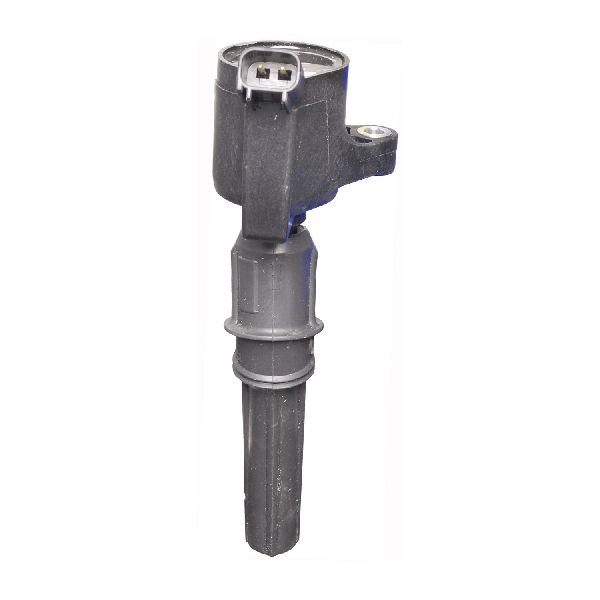
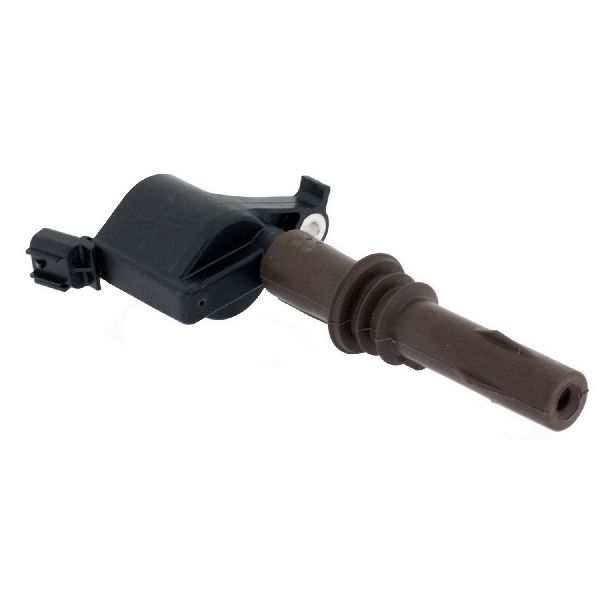
OEM Part Numbers: DG508 3W7Z-12029-AA FD503 DG512 4M2Z-12029-AC
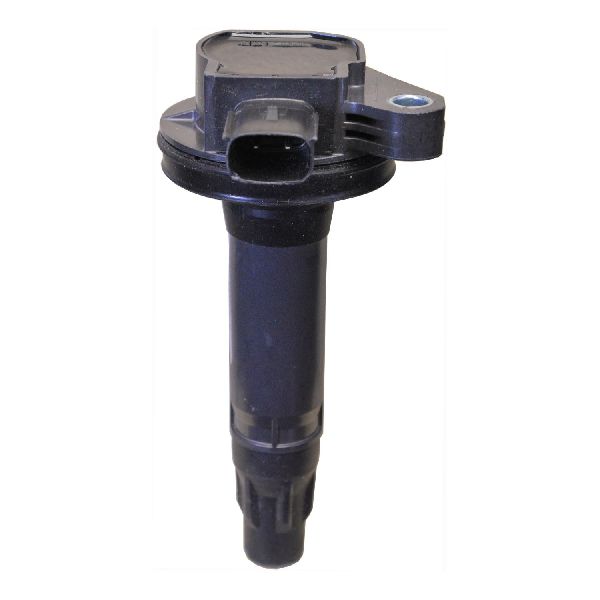
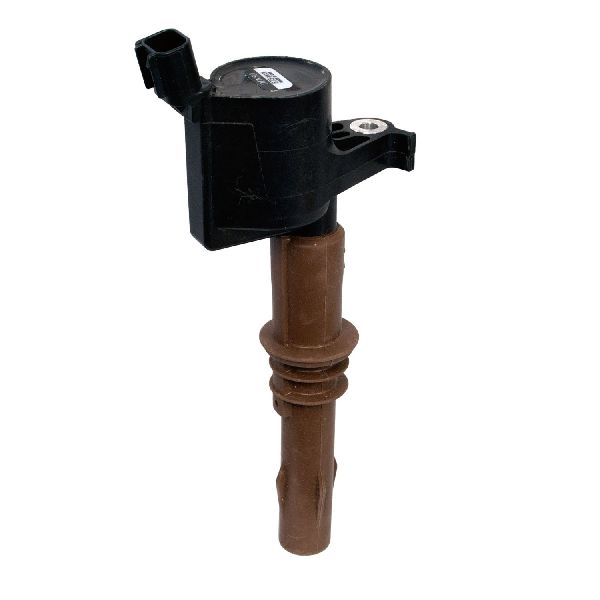
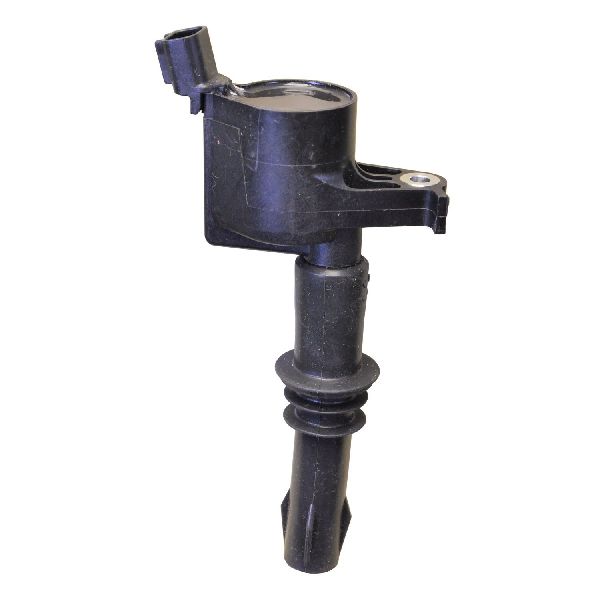
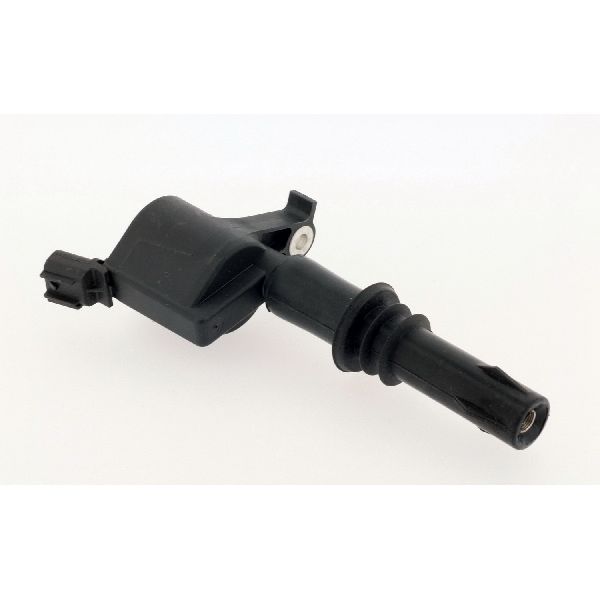
The 2002-2011 Ford Explorer uses a Coil-On-Plug (COP) system. The 4.0L SOHC V6 uses a single coil pack with spark plug wires, while the 4.6L SOHC V8 uses individual coils for each cylinder. It is crucial to order the correct part for your specific engine.
We Have This Part in Stock

The information in this article is provided for general reference and educational purposes only. Vehicle specifications, procedures, and part compatibility can vary by production date, trim level, and region. Always consult your vehicle's factory service manual and verify part numbers before purchasing or performing repairs. Safety-critical components such as airbags, seat belts, and braking systems should be installed by a qualified professional.
- Ford Explorer: