

Ford Explorer Serpentine Belt Replacement Guide (2002-2011)
Address squealing noises and prevent breakdowns by choosing the right serpentine belt for your Explorer.
- A squealing noise often indicates a weak belt tensioner, not just a bad belt; inspect and consider replacing both together.
- The 4.0L V6 and 4.6L V8 engines require different belts; verify your engine before purchasing.
- Premium aftermarket brands like Gates and Continental offer OEM-quality or better for a lower price than Motorcraft.
- This is a simple DIY replacement that can be done in under an hour with basic tools, saving significant labor costs.
Is Your Explorer's Serpentine Belt Failing?

A serpentine belt is a wear item. Exposed to constant heat and friction, it will eventually crack, stretch, and wear out. Ignoring the warning signs can leave you stranded. For the 2002-2011 Explorer, symptoms of a failing belt are usually easy to hear or see.
Key Symptoms of a Bad Serpentine Belt
- Squealing or Chirping Noises: This is the most common sign. A high-pitched squeal, especially on startup, in cold weather, or when turning the steering wheel, often means the belt is slipping due to wear or improper tension.
- Visible Wear and Tear: A visual inspection is key. Look for cracks, fraying, missing ribs, or a glazed, shiny appearance on the belt's surface. Any of these signs mean it's time for a replacement.
- Accessory Malfunctions: If your power steering feels heavy, the A/C stops blowing cold, or the battery light comes on, it could be because the belt isn't properly turning those components.
- Engine Overheating: The serpentine belt drives the water pump. If the belt breaks or slips badly, the engine will overheat very quickly. This is a critical symptom that requires you to stop driving immediately.
A Note on Belt Noise and Tensioners
On this generation of Explorer, a squealing noise doesn't just mean the belt is bad. It often points to a weak or failing belt tensioner. The tensioner is a spring-loaded part that keeps the belt tight. When it wears out, it can't maintain proper tension, causing even a new belt to slip and squeal. It is highly recommended to inspect the tensioner and idler pulleys when replacing the belt and replace them if they feel rough or make noise when spun by hand.
Choosing the Right Aftermarket Serpentine Belt

You don't have to buy the most expensive OEM part to get reliable performance. High-quality aftermarket brands often meet or exceed OEM specifications. Here’s a breakdown of available brands:
- Premium Aftermarket (OEM-Equivalent): Gates and Continental are top-tier choices. They are major OEM suppliers known for quiet operation, durability, and using modern EPDM rubber compounds that resist cracking. Many professional mechanics trust and prefer these brands.
- OEM Brand: Motorcraft is Ford's factory brand. It guarantees a perfect fit, but is often a rebranded premium belt sold at a higher price.
- Quality Mid-Tier: Dayco and INA offer a great balance of performance and value. Dayco is a well-known brand, and INA is a major manufacturer of OEM tensioners and pulleys, making their belts a reliable choice.
- Economy: Brands like Skyward are budget-friendly options. While functional, they may not offer the same longevity or noise resistance as premium brands.
Pro Tip: Clean Your Pulleys
When replacing a belt, especially an old one that was noisy, inspect the pulley grooves. Old rubber deposits can get stuck in the grooves and cause a new belt to make noise. Use a wire brush to clean out any debris from the pulleys before installing the new belt.
Estimated Replacement Costs

The cost to replace a serpentine belt can vary based on your location and whether you do the work yourself. The part itself is affordable, and labor is minimal for a professional.
| Item | Estimated Cost |
|---|---|
| New Aftermarket Serpentine Belt | $21 - $75 |
| Shop Labor Cost | $79 - $115 |
| Total Professional Replacement | $135 - $177 |
| Belt Tensioner Assembly (Part Only) | $127 - $147 |
Frequently Asked Questions

Do I need a different belt for the V6 and V8 engines?
Yes, absolutely. The 4.0L V6 and 4.6L V8 engines use different length serpentine belts and have different belt routing diagrams. You must purchase the correct belt for your specific engine to ensure proper fit and function.
How often should I replace the serpentine belt?
Most modern serpentine belts last between 60,000 and 100,000 miles. However, it's best to start visually inspecting the belt for cracks, fraying, or glazing at every oil change after 40,000 miles. Replace it based on condition, not just mileage.
Can I replace the serpentine belt myself?
Yes, this is a very DIY-friendly job for most home mechanics. The main tool required is a 3/8" or 1/2" drive ratchet or a dedicated serpentine belt tool to release the tensioner. The entire job can typically be completed in under an hour.
Are there any recalls for the serpentine belt on my Explorer?
No, there are no specific recalls from Ford or investigations by NHTSA for serpentine belt failure on the 2002-2011 Ford Explorer. Any issues are considered normal wear and tear.
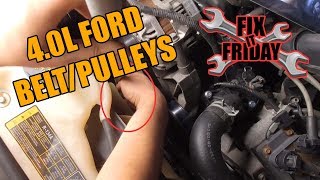
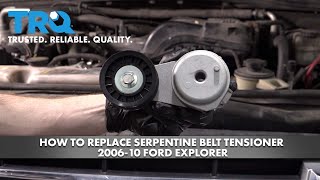
Helpful Videos

Technical Specifications
OEM Part Numbers: 6L2Z-8620-DA 6L2Z-8620-A 4L2Z-8620-A JK6-861-BA JK6-1013-AD
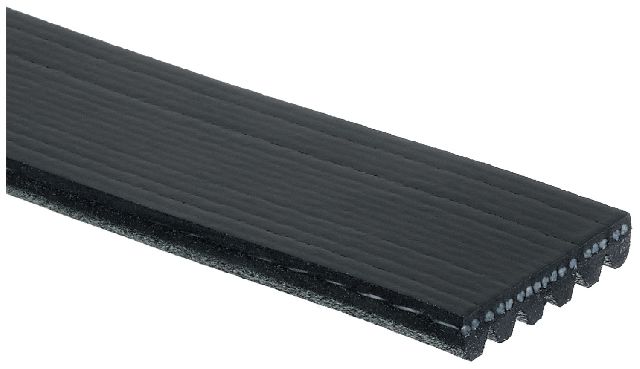
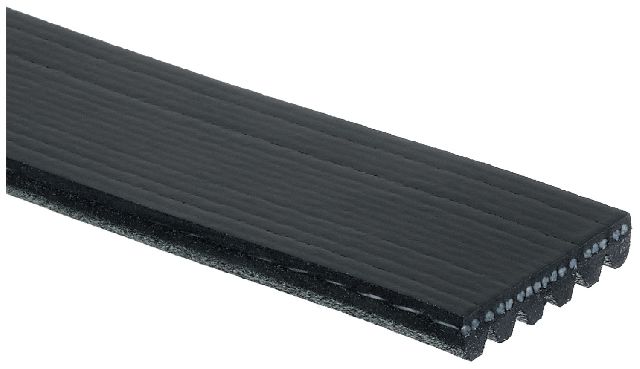
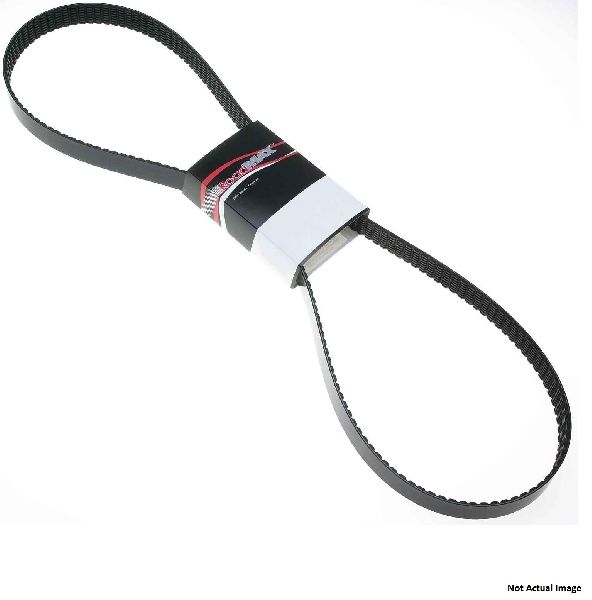
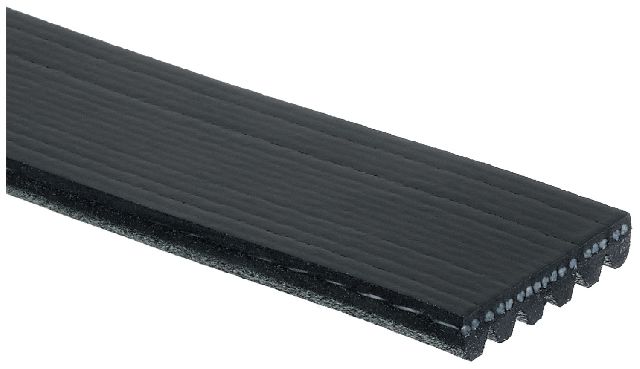
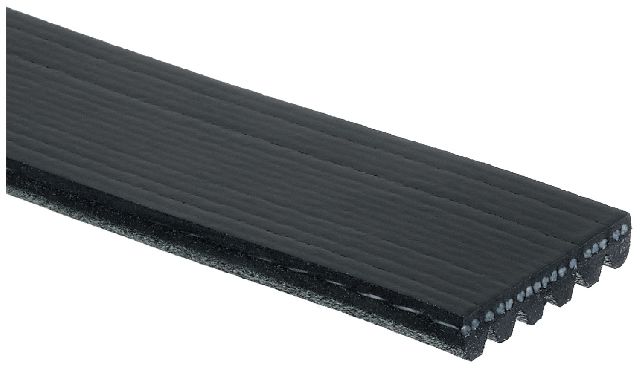
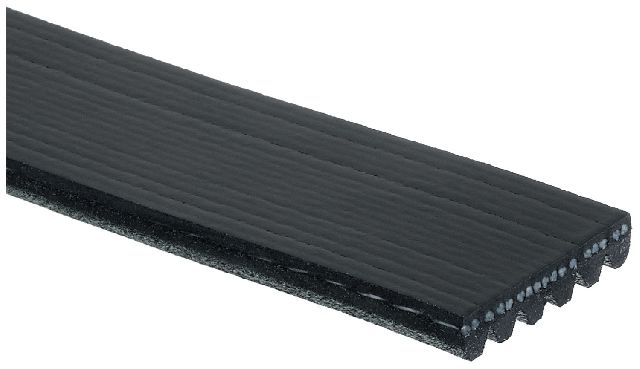
The correct serpentine belt depends on your Explorer's engine (4.0L V6 or 4.6L V8) and model year. Belts are made from EPDM rubber and feature a multi-rib (poly-v) design. Length and rib count are the critical specifications that vary between engines. Always verify the part number with your vehicle's specific details.
We Have This Part in Stock

The information in this article is provided for general reference and educational purposes only. Vehicle specifications, procedures, and part compatibility can vary by production date, trim level, and region. Always consult your vehicle's factory service manual and verify part numbers before purchasing or performing repairs. Safety-critical components such as airbags, seat belts, and braking systems should be installed by a qualified professional.
- Ford Explorer: