

A Guide to the 2002-2011 Ford Mustang Vehicle Speed Sensor
Fix your Mustang's erratic speedometer and shifting problems by understanding this critical sensor.
- The most common symptoms are an erratic speedometer and harsh shifting in automatic models.
- For 2005-2011 automatic Mustangs, the sensor is inside the transmission and is a much more difficult repair than on other models.
- On 2005-2009 models, a bad speedometer gauge stepper motor can mimic a VSS failure; if shifting is normal, suspect the gauge.
- Premium aftermarket brands like Delphi and Standard Ignition offer OEM-level quality for less than the Motorcraft part.
Symptoms of a Failing Vehicle Speed Sensor

When the VSS on your Mustang starts to fail, it won't be subtle. The computer loses one of its most important inputs, and many systems are affected. Look for these common signs:
- Erratic or Dead Speedometer: This is the most obvious symptom. The speedometer needle may jump around, read an incorrect speed, or drop to zero and stay there.
- Harsh or Incorrect Shifting (Automatic Models): The transmission may bang into gear, shift at the wrong times, or seem to slip. This is because the transmission controller doesn't know when to command a shift.
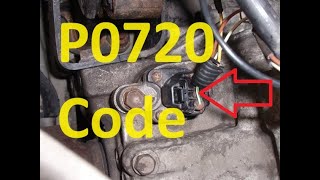
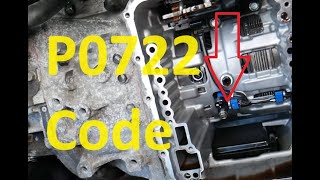
- Check Engine Light: A failing VSS will almost always trigger the check engine light. You will likely find codes such as P0720 (Output Speed Sensor Circuit Malfunction) or P0722 (No Signal from Output Speed Sensor).
- Cruise Control Stops Working: As a safety feature, your Mustang's cruise control will not engage if it isn't receiving a reliable speed signal from the VSS.
- Odometer Issues: Your odometer may stop counting miles or display dashes instead of numbers.
Critical Note for 2005-2011 Automatic Transmission Owners
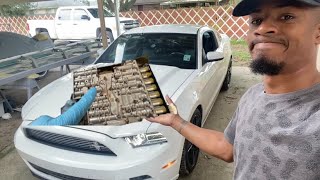
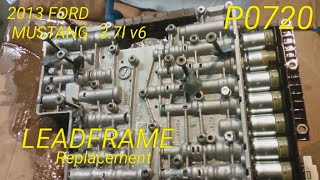
If you have a 2005-2011 Mustang with the 5R55S automatic transmission, your vehicle does not have a simple, external VSS. Instead, the speed sensors are integrated into a component called the molded lead frame, which is located inside the transmission oil pan and attached to the valve body. Replacement is a complex job that requires draining the fluid, dropping the pan, and removing the valve body. This is not a simple one-bolt sensor swap. The symptoms are identical, but the repair is much more involved.
Is It the Sensor or the Speedometer Gauge?

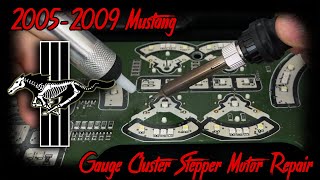
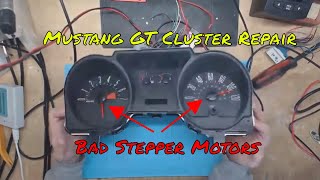
For 2005-2009 S197 Mustang owners, there is a common issue that can be confused with a bad VSS: failing stepper motors in the instrument cluster. 🎬 Watch: How to repair failing gauge cluster stepper motors If your speedometer is acting erratically but your automatic transmission is shifting perfectly fine, the problem is more likely the gauge cluster itself, not the speed sensor. However, if you have an erratic speedometer AND poor shifting, the VSS (or internal lead frame) is the primary suspect.
Choosing the Right Aftermarket VSS Brand

When your VSS fails, you have several options for replacement. Since Motorcraft is the original Ford part, it's the benchmark for quality. However, several aftermarket brands offer excellent quality, often at a better price.
Tier 1: OEM or Premium Aftermarket
- Motorcraft: The original factory part. You can't go wrong with it, but it's usually the most expensive option.
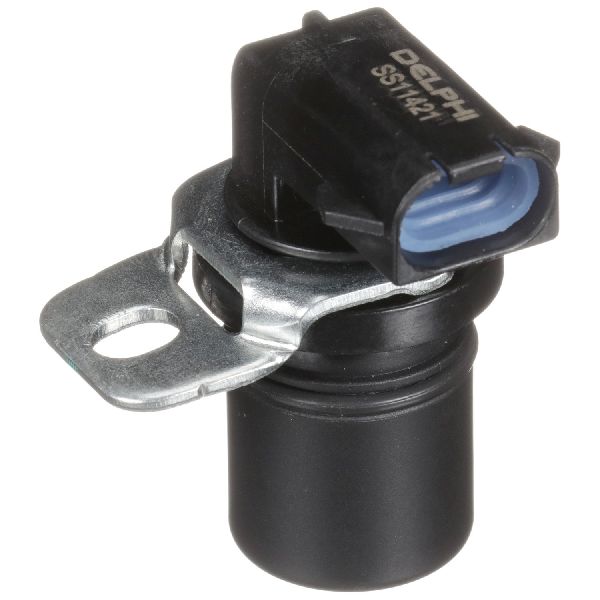
- Delphi: A top-tier manufacturer that supplies parts to many automakers, including Ford. Their quality is considered equivalent to OEM.
- Standard Ignition (SMP): A highly respected aftermarket brand known for producing high-quality sensors and electronics that meet or exceed original specifications.
Tier 2: Reputable Aftermarket
- NGK/NTK: Famous for spark plugs, NTK is their sensor division. They are a major OEM supplier and a trusted name in automotive electronics.
- Dorman: Dorman offers a wide range of parts and is known for creating "OE FIX" solutions. While their quality can sometimes be debated among mechanics, for a common sensor, they are a viable, budget-friendly choice.
Tier 3: Value-Oriented
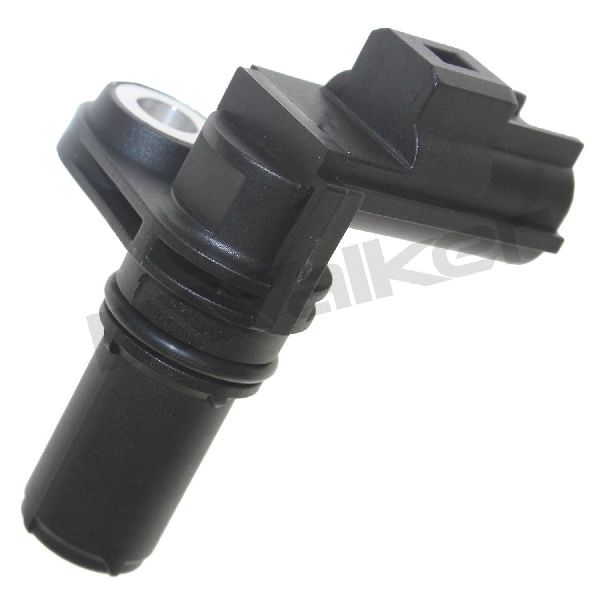
- Walker Products, Holstein: These brands provide functional replacements that are often the most affordable. They can be a good choice if budget is the primary concern, but may not have the same long-term durability or precise calibration as premium brands.
Pro Tip: Installation Advice
For 2002-2004 models and 2005-2011 manual transmission models with an external sensor, the plastic can become brittle with age. When removing the old sensor, it can break, leaving a piece stuck in the transmission. 🎬 See how to safely remove a stuck or broken sensor Wiggle the sensor side-to-side while pulling to ease it out. Always apply a small amount of clean transmission fluid to the O-ring on the new sensor before installation to ensure it seats properly and doesn't get damaged. Do not overtighten the single retaining bolt.
| Part/Service | Estimated Cost |
|---|---|
| New Aftermarket VSS | $20 - $95 |
| Labor (External Sensor: 2002-04 All, '05-'11 Manual) | $75 - $150 |
| Labor (Internal Lead Frame: '05-'11 Automatic) | $350 - $600+ |
Frequently Asked Questions
Where is the VSS located on my Mustang?
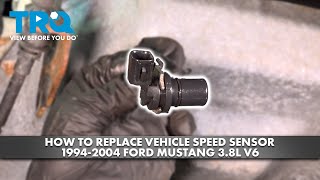
For 2002-2004 models (SN95) and 2005-2011 models with a manual transmission, the VSS is a single sensor bolted into the tail-housing 🎬 Watch: Step-by-step speed sensor replacement for 1994-2004 Mustangs of the transmission, usually on the driver's side. For 2005-2011 models with an automatic transmission, the speed sensors are part of the lead frame assembly inside the transmission oil pan.
What's the difference between an input and output speed sensor?
Your transmission has two main speed sensors. The Input Speed Sensor (TSS) measures how fast the transmission's input shaft is spinning (tied to engine speed). The Output Speed Sensor (OSS), which is the VSS, measures the output shaft speed (tied to wheel speed). The computer compares these two speeds to verify correct gear ratios and detect slipping. The P0720/P0722 codes specifically point to the Output Speed Sensor.
Can I drive my Mustang with a bad VSS?
You can, but it is not recommended for long. With a bad sensor, your speedometer won't work, which is unsafe. If you have an automatic, the transmission will shift harshly, which can cause long-term damage. It's best to get it repaired as soon as possible.
Do I need special tools to replace the VSS?
For an external sensor, you only need basic hand tools like a ratchet with a small socket (usually 8mm or 10mm) and maybe a small pair of pliers for the electrical connector. For the internal lead frame on 2005-2011 automatics, you will need a much more extensive tool set, including tools to safely drain and remove the transmission pan and valve body, and a torque wrench for reassembly.
Helpful Videos

Technical Specifications
OEM Part Numbers: F8AZ-7H103-AA 9L2Z-7H103-A F6AZ-7H103-AA AL3P-7H103-AA
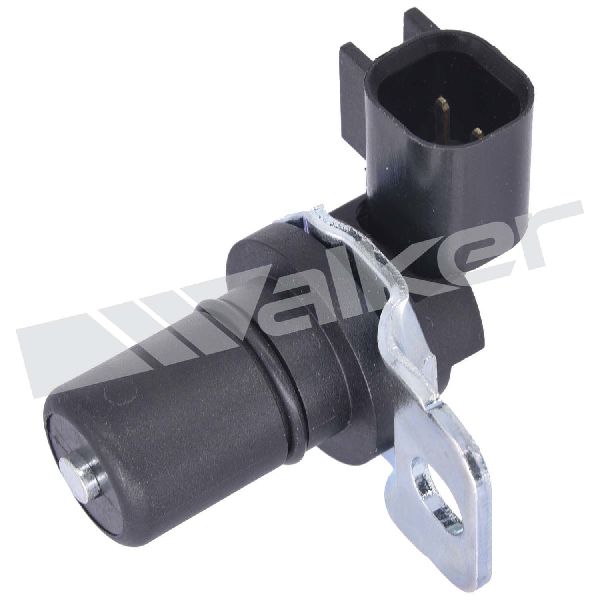
The Vehicle Speed Sensor for the 2002-2011 Ford Mustang is typically a hall-effect sensor that generates a signal based on the rotation of a toothed wheel on the transmission's output shaft. It is held in place by a single bolt and uses a sealed electrical connector. For 2005-2011 automatic models, the sensor function is integrated into a molded lead frame assembly inside the transmission.
We Have This Part in Stock


The information in this article is provided for general reference and educational purposes only. Vehicle specifications, procedures, and part compatibility can vary by production date, trim level, and region. Always consult your vehicle's factory service manual and verify part numbers before purchasing or performing repairs. Safety-critical components such as airbags, seat belts, and braking systems should be installed by a qualified professional.
- Ford Mustang: