

A Guide to Replacing Disc Brake Rotors on the 2002-2011 Honda CR-V
Everything you need to know about choosing the right aftermarket brake rotors for your second or third-generation CR-V.
- Warping is a common issue for 2002-2011 CR-V rotors; choosing quality aftermarket parts can help prevent this.
- For most drivers, a coated 'Daily Driver' rotor from a brand like Bosch, Centric, or Raybestos offers the best balance of price and performance.
- Always replace brake pads and rotors together to ensure proper function and safety.
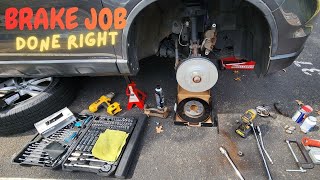
- Replacing rotors is a feasible DIY job for those with basic mechanical skills and tools, but an impact driver is helpful for the rotor set screws.
Signs of a Failing Brake Rotor on Your CR-V

Worn-out brake rotors aren't just a nuisance; they are a critical safety issue. If you notice any of these symptoms on your 2002-2011 CR-V, it's time to inspect your brakes.
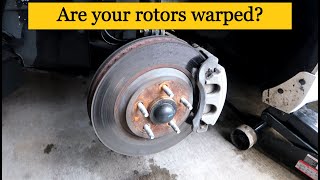
- Vibration or Pulsing: One of the most common signs is a vibration or pulsing feeling in the steering wheel or brake pedal when you apply the brakes, especially from highway speeds. This is often caused by "warped" rotors, where the rotor surface has become uneven from excessive heat.
- Grinding or Squealing Noises: A loud grinding or scraping sound means your brake pads are likely worn down completely, and now metal is grinding against the rotor. Squealing can also indicate a problem with the rotor surface.
- Visible Grooves or Scoring: A visual inspection can tell you a lot. If you look through your wheels and see deep grooves, ridges, or bluish spots on the rotor surface, it's a clear sign of damage and overheating.
- Reduced Stopping Power: If your CR-V takes longer to stop than it used to, your brake system is not working efficiently. Worn or thin rotors can't dissipate heat properly, leading to reduced performance.
Known Issues: Warping and Early Wear
Owners of 2002-2011 Honda CR-Vs have reported issues with premature brake rotor warping. This can be caused by several factors, including aggressive driving habits, excessive heat buildup, and even improper lug nut torque during tire service. Using lower-quality, thinner aftermarket rotors can make the problem worse, as they are less able to handle heat. While there are no specific recalls from the National Highway Traffic Safety Administration (NHTSA) for brake rotors on this generation of CR-V, the tendency for warping is a well-documented owner complaint.
Choosing the Right Aftermarket Rotors for Your CR-V

When replacing rotors, you don't have to buy expensive OEM (Original Equipment Manufacturer) parts from the dealer. The aftermarket offers a wide range of quality options. For a daily-driven CR-V, many aftermarket brands provide similar or even better performance than stock. Here’s how to choose:
Brand & Quality Tiers
Not all aftermarket parts are created equal. They generally fall into a few categories:
- Economy (Basic Replacement): Brands like Pronto and other private labels offer the lowest price. These are basic, uncoated rotors that meet minimum requirements. They will stop your vehicle but may have a shorter lifespan and be more prone to rust and warping, especially in regions that use road salt.
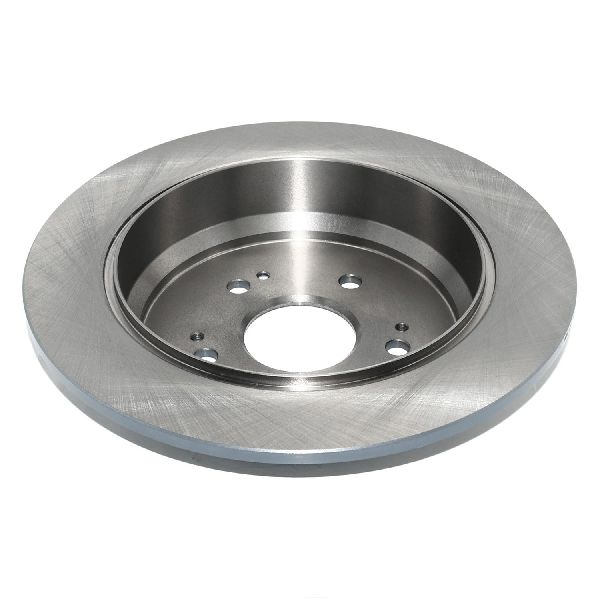
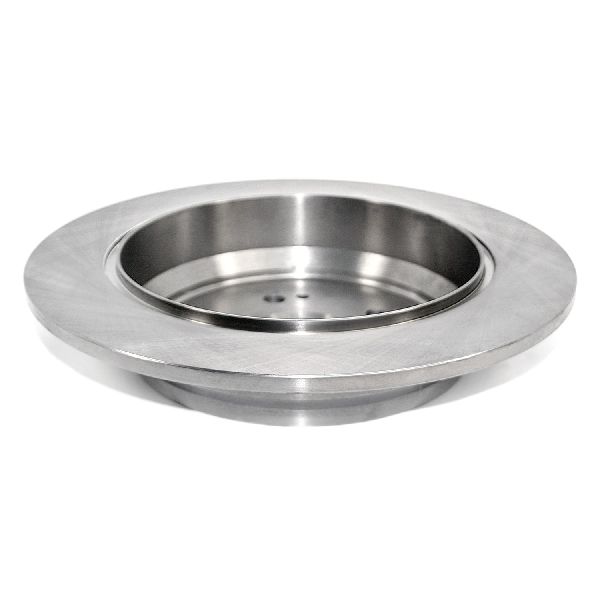
- Daily Driver (OEM Quality): This is the sweet spot for most CR-V owners. Brands like Bosch QuietCast, Centric (120 Series), Raybestos R-Line, and Bendix offer excellent quality, often with anti-rust coatings (like Geomet or zinc plating) that prevent corrosion on the hub and edges. These rotors provide smooth, quiet performance and good durability for everyday use.
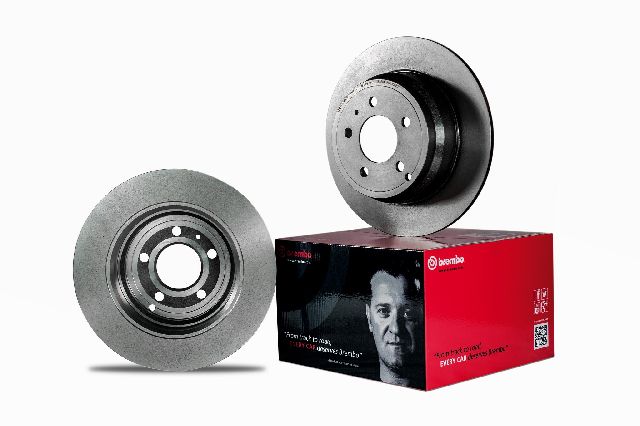
- Premium / Performance (Upgraded): For those who want better performance or durability, brands like Brembo, Powerstop (Drilled & Slotted), EBC Brakes, and Hawk offer upgraded options. These often feature slots or drilled holes to help dissipate heat and gas, which can reduce brake fade during heavy use. Coated versions from these brands offer the best rust protection. While effective, drilled and slotted rotors are often considered unnecessary for a standard CR-V and more of a performance choice.
Pro Tip: Coated Rotors Are Worth It
For the 2002-2011 CR-V, especially if you live in an area with rain or snow, choosing a rotor with a full anti-rust coating (often gray or black) is highly recommended. Uncoated rotors can rust quickly on the non-contact surfaces, which is not only ugly but can lead to issues over time. Coated rotors from brands like Bosch, Raybestos, Centric, and Powerstop keep your brakes looking clean and lasting longer.
How Much Does a Brake Rotor Replacement Cost for a 2002-2011 Honda CR-V?

The cost can vary significantly based on the parts you choose and who does the work. Replacing brake pads at the same time as rotors is always recommended.
| Part / Service | Estimated Cost |
|---|---|
| Aftermarket Rotors (Pair, Front or Rear) | $80 - $250 |
| OEM Rotors (Pair, Front or Rear) | $210 - $300 |
| Shop Labor (Pads & Rotors, one axle) | $150 - $250 |
| Total Professional Job (Aftermarket, one axle) | $297 - $450+ |
Frequently Asked Questions
Do I need to replace pads and rotors at the same time?
Yes, it is highly recommended. Installing new pads on old, worn rotors can cause noise, uneven wear, and reduced performance. Most shops will insist on replacing both at the same time. Rotors typically last through two sets of brake pads, but given the low cost of new rotors, it's best practice to replace them together.
Should I get my CR-V's rotors resurfaced or just replace them?
In the past, resurfacing (or "turning") rotors on a lathe was common. Today, the cost of labor for resurfacing is often close to the price of new aftermarket rotors. Additionally, modern rotors are thinner to save weight and may not have enough material to be safely resurfaced. For these reasons, replacement is almost always the better and more cost-effective option.
Are there different rotors for the front and back? What about 2WD vs AWD?
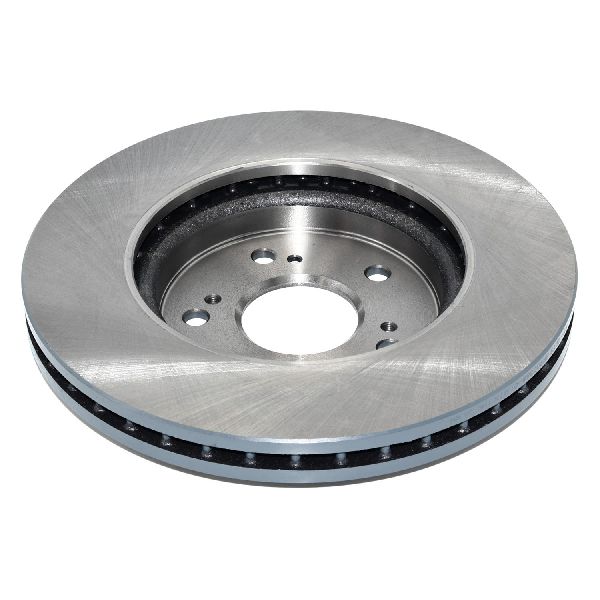
Yes, front and rear brake rotors are different sizes and are not interchangeable. However, for the 2002-2011 CR-V, the rotors are generally the same for both Front-Wheel Drive (FWD) and All-Wheel Drive (AWD) models. Always confirm the fitment for your specific year and model before purchasing.
What are the little screws on the rotor for?
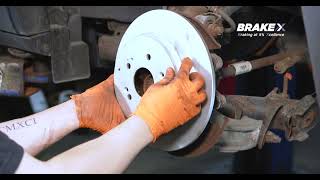
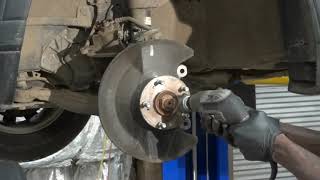
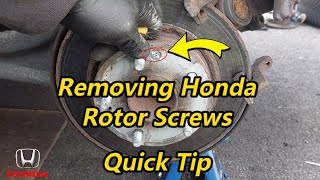
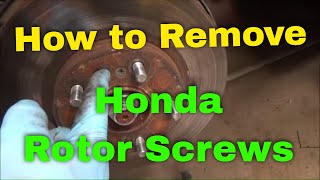
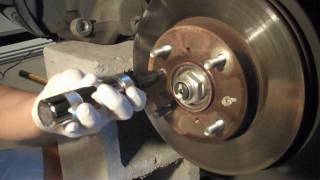
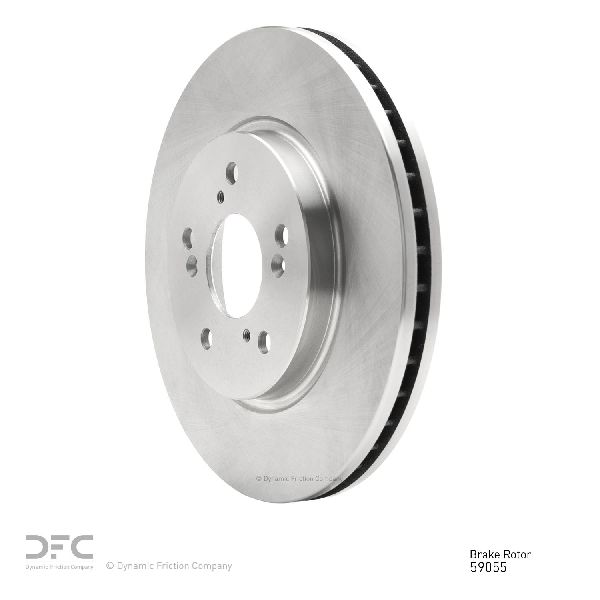
Honda uses small Phillips head screws to hold the rotor onto the hub during assembly. These can be difficult to remove after years of rust. An impact driver is the best tool for removal. If you strip or break them, don't worry—they are not structurally necessary. The wheel and lug nuts are what actually hold the rotor in place.
Helpful Videos
Technical Specifications
OEM Part Numbers: 45251-SCA-E50 45251-SXS-A01 42510-S9A-E50 42510-SWA-000
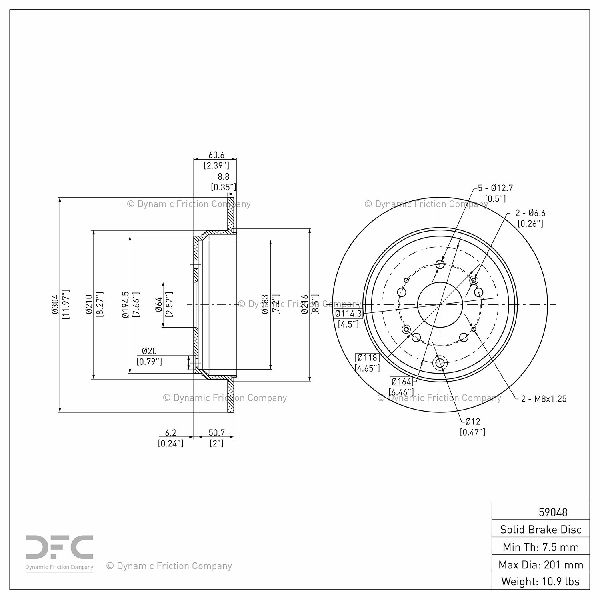
Varies by year. The 2002-2004 CR-V uses a front rotor diameter of approximately 282mm. The 2007-2011 CR-V uses a front rotor diameter of approximately 296mm. Rear rotors also differ between generations. Always verify fitment by vehicle year.
We Have This Part in Stock

The information in this article is provided for general reference and educational purposes only. Vehicle specifications, procedures, and part compatibility can vary by production date, trim level, and region. Always consult your vehicle's factory service manual and verify part numbers before purchasing or performing repairs. Safety-critical components such as airbags, seat belts, and braking systems should be installed by a qualified professional.
- Honda CR-V:
- 🎬 Helpful Videos
- 🛍️ Shop This Part
- Signs of a Failing Brake Rotor on Your CR-V
- Known Issues: Warping and Early Wear
- Choosing the Right Aftermarket Rotors for Your CR-V
- Brand & Quality Tiers
- Pro Tip: Coated Rotors Are Worth It
- How Much Does a Brake Rotor Replacement Cost for a 2002-2011 Honda CR-V?
- Frequently Asked Questions
- 🎟️ Get 5% Off