

A Guide to Replacing the Alternator in Your 2002-2011 Kia Sedona
Keep your family minivan running reliably by understanding its charging system and choosing the right replacement alternator.
- The alternator is different for 2002-2005 (3.5L V6) and 2006-2011 (3.8L V6) models; they are not interchangeable.
- Before replacing the alternator, check for valve cover oil leaks dripping onto it, as this will cause the new part to fail.
- For reliability, choose an OE-quality brand like Mando or a premium brand like Denso or Bosch; some owners report issues with budget aftermarket units on this vehicle.
- If a 2006+ Sedona has recurring charging issues with a new alternator and battery, a separate charging system control module may be the true cause.
Is Your Sedona's Alternator Failing?
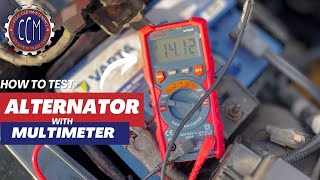
A failing alternator can cause a range of frustrating electrical problems. Because these symptoms can sometimes be mistaken for a bad battery, it's important to have the system tested before replacing parts. 🎬 Watch: How to test your alternator with a multimeter. Watch for these common warning signs in your 2002-2011 Kia Sedona.
Common Symptoms of a Bad Alternator:
- Battery Warning Light: The most obvious sign is a dashboard warning light shaped like a battery. This light indicates a problem with the charging system, not necessarily the battery itself.
- Dim or Flickering Lights: If your headlights, interior lights, or dashboard lights seem dim, flicker, or change brightness as you rev the engine, the alternator is likely struggling to provide consistent power.
- Dead Battery: The alternator is supposed to recharge your battery while you drive. If you find yourself with a dead battery repeatedly, the alternator may not be doing its job.
- Slow or Stalling Engine: Your Sedona's engine needs electricity to run. A weak alternator can cause stalling, especially at idle, or difficulty starting.
- Whining or Grinding Noises: A high-pitched whining sound from the engine bay that changes with engine speed can indicate a failing bearing inside the alternator.
Known Issues for 2002-2011 Kia Sedona Alternators
While generally reliable, the charging systems on these vans have a few known quirks. There are key differences between the first generation (2002-2005) and the second generation (2006-2011).
Oil Leaks Can Kill Alternators
A common cause of premature alternator failure on many vehicles, including the Sedona, is engine oil leaking from a faulty valve cover gasket. The alternator is located below the engine's valve covers, and dripping oil can saturate its internal components, causing it to short out. If you are replacing an oil-soaked alternator, it is critical to fix the oil leak first, or the new part will fail quickly.
For 2006-2011 Models: Some owners have reported confusing charging system problems where multiple new alternators and batteries don't fix the issue. In some cases, a faulty charging control module (a small resistor/diode under the dash) can fail to signal the alternator to 'turn on' and charge the battery. If you've replaced the alternator and battery but still have intermittent charging problems, this module could be the culprit.
Choosing the Right Aftermarket Alternator
The labor to replace an alternator on a Sedona can be significant, so choosing a quality part to avoid doing the job twice is a smart investment. Not all aftermarket brands are created equal. Based on owner experiences and brand reputation, we can sort the available options into tiers.
Tier 1: OE Quality & Premium Aftermarket
These brands provide the best fit and longest service life, making them the most recommended choice, especially considering some owners report issues with lower-quality units.
- Mando: Mando is the Original Equipment (OE) manufacturer for many Kia and Hyundai parts. Choosing a new Mando alternator is like getting the same part you would from a Kia dealer without the dealership price. It is guaranteed to fit and perform to factory specifications.
- Denso & Bosch: Both Denso and Bosch are world-renowned for their high-quality electrical components. They are top-tier aftermarket brands that often meet or exceed OE standards. A new alternator from either of these brands is an excellent, reliable choice.
Tier 2: Quality Standard Replacements
These brands offer a good balance of quality and value for budget-conscious repairs.
- ACDelco, Remy, MPA: These are well-established aftermarket brands that produce reliable alternators. While they may not have the OE pedigree of Mando for this specific vehicle, they are a solid choice for a standard replacement.
Pro Tip: Some owners of 2006-2011 Sedonas have reported that after trying multiple aftermarket alternators without success, switching to a genuine Kia (Mando) part finally solved their charging problems. For this reason, investing in a Tier 1 brand is highly recommended for the second-generation Sedona.
Estimated Replacement Costs
Prices can vary based on your location and the specific brand you choose. Labor costs are based on an estimated 2-4 hours of work at a typical shop rate.
🎬 Watch: Step-by-step alternator replacement for 2006-2011 Sedona models.| Part Type | Estimated Cost |
|---|---|
| New Aftermarket Alternator | $47 - $326 |
| New OEM (Dealer) Alternator | $400 - $600+ |
| Shop Labor | $250 - $500 |
| Total Professional Replacement (Aftermarket Part) | $297 - $826 |
Frequently Asked Questions (FAQ)
Is there an alternator recall for my 2002-2011 Sedona?
No. While there was a recall for a loose alternator terminal on some 2020 model year Sedonas, it does not apply to the 2002-2011 generation. Any alternator failure on your vehicle is due to age and wear.
What is the difference between the alternator on a 2005 vs. a 2006 Sedona?
The 2002-2005 Sedona uses a 3.5L V6 engine, while the 2006-2011 model uses a 3.8L V6. The alternators are different parts and are not interchangeable. The replacement procedure is also different, with the earlier model often requiring more disassembly to access the alternator.
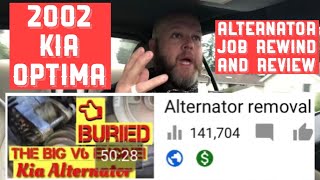
🎬 See this 2002-2005 Sedona alternator removal and replacement walkthrough.Why did my brand new aftermarket alternator fail so quickly?
There are two common reasons. First, an underlying issue was not fixed, such as an oil leak dripping onto the new part. Second, for 2006-2011 models, a persistent charging issue might be caused by a separate control module, not the alternator itself. Finally, lower-quality aftermarket parts can sometimes be faulty out of the box or have a shorter lifespan.
Can I install a higher output alternator?
Yes, high-output alternators are available from specialty suppliers. However, for a stock vehicle without significant electrical upgrades (like a powerful sound system or extra lighting), the original equipment amperage is sufficient. Installing a high-output unit is not necessary and will not fix a problem with the standard charging system.
Helpful Videos

Technical Specifications
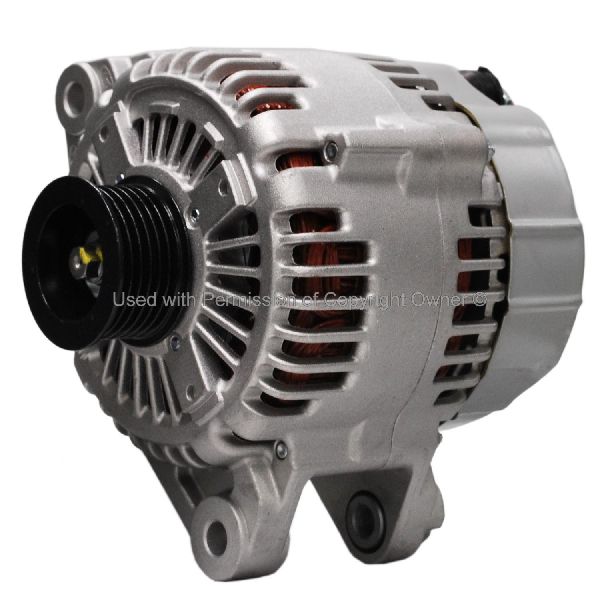
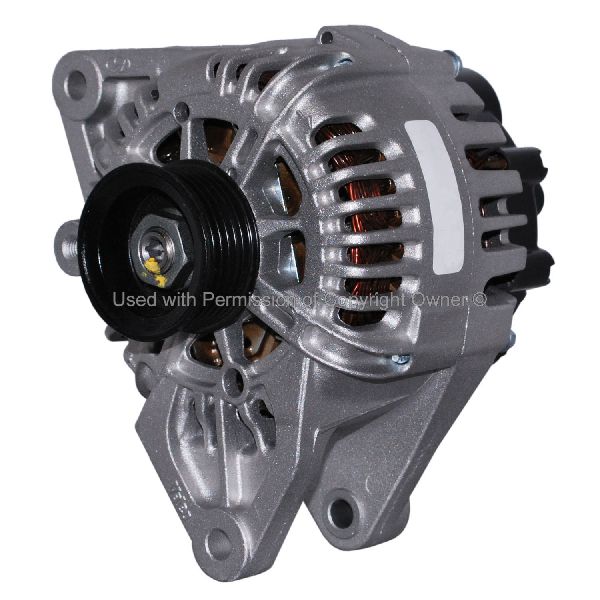
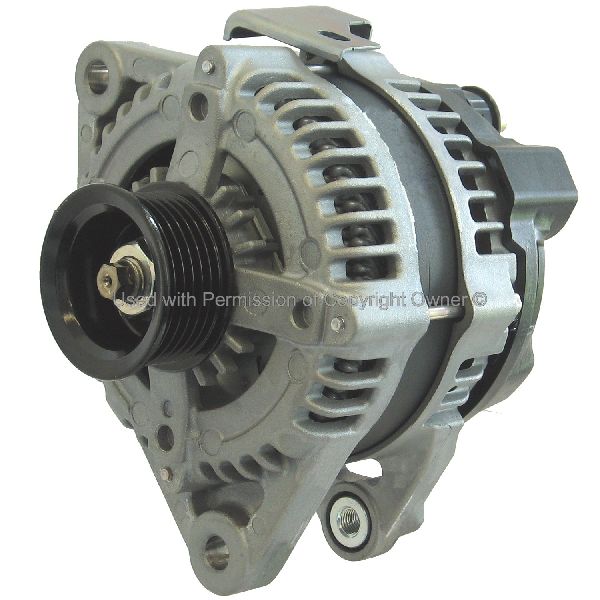
OEM Part Numbers: 37300-39435 37300-39600 37300-3C120 37300-3C170
Amperage typically ranges from 120A for the 3.5L engine (2002-2005) to 130A-150A for the 3.8L engine (2006-2011). Always verify the correct amperage for your specific year and model.
We Have This Part in Stock

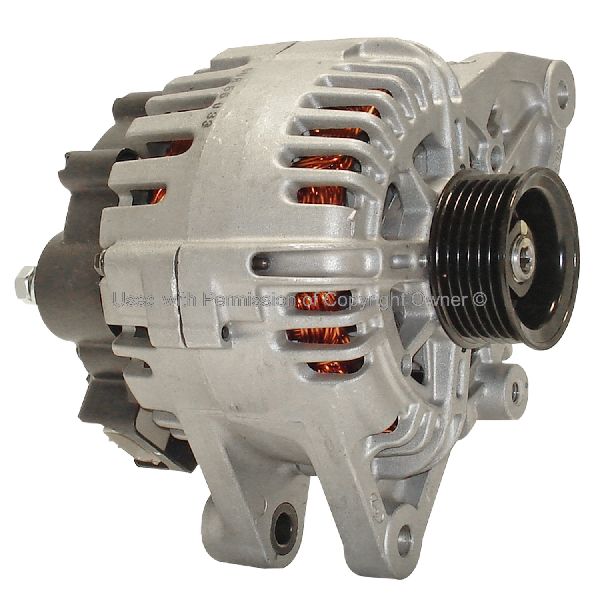

The information in this article is provided for general reference and educational purposes only. Vehicle specifications, procedures, and part compatibility can vary by production date, trim level, and region. Always consult your vehicle's factory service manual and verify part numbers before purchasing or performing repairs. Safety-critical components such as airbags, seat belts, and braking systems should be installed by a qualified professional.
- Kia Sedona:
- 🎬 Helpful Videos
- 🛍️ Shop This Part
- Is Your Sedona's Alternator Failing?
- Common Symptoms of a Bad Alternator:
- Known Issues for 2002-2011 Kia Sedona Alternators
- Oil Leaks Can Kill Alternators
- Choosing the Right Aftermarket Alternator
- Tier 1: OE Quality & Premium Aftermarket
- Tier 2: Quality Standard Replacements
- Estimated Replacement Costs
- Frequently Asked Questions (FAQ)
- 🎟️ Get 5% Off