

Toyota 4Runner Oxygen Sensor Guide (2002-2011): Choosing the Right Replacement
Keep your 4th Gen 4Runner running efficiently by understanding its oxygen sensors and picking the best aftermarket replacement.
- Always use a Denso brand sensor for your 4Runner to ensure compatibility and avoid issues.
- A bad oxygen sensor will trigger the Check Engine Light and hurt your fuel economy.
- Your 4Runner has four sensors; identify the correct failed sensor location (e.g., Bank 1, Sensor 2) before buying a replacement.
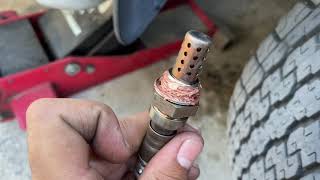
- Replacing a sensor can be a DIY job, but rust can make removal very difficult; use penetrating oil and the correct socket.
Understanding Oxygen Sensor Failure in Your 4Runner

Oxygen sensors are wear-and-tear items that live in a harsh environment and eventually fail from heat and contamination. When a sensor goes bad, it can no longer send accurate readings to your engine's computer. This almost always triggers the Check Engine Light and often the VSC/TRAC lights as well. You'll likely notice a drop in fuel economy, a rough idle, and sluggish acceleration. Ignoring a bad upstream sensor can lead to wasted fuel and potential damage to your catalytic converter over time, a much more expensive repair.
Don't Ignore the Check Engine Light
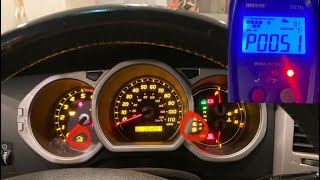
A constant Check Engine Light means the engine's computer has detected a problem. While many issues can trigger the light, a faulty oxygen sensor is a very common cause. Get the code scanned for free at most auto parts stores to confirm which sensor is failing. Common codes include P0031, P0051, 🎬 Learn more about troubleshooting P0031 and P0051 engine codes. P0135, P0141, P0420, and P0430.
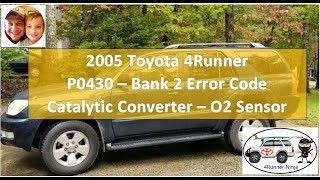
🎬 See how to diagnose and fix a P0430 sensor code.Choosing the Right Aftermarket Oxygen Sensor

When it comes to replacement sensors for a Toyota, brand choice matters. Many owners and technicians report that Toyota vehicles are sensitive to aftermarket electronics. For the best results, sticking with the Original Equipment Manufacturer (OEM) is highly recommended.
Brand Quality Tiers for the 4th Gen 4Runner
Not all aftermarket brands are created equal. Here’s a breakdown of the brands available for your 4Runner, based on owner feedback and industry reputation.
- Tier 1 (OEM or Equivalent): Denso
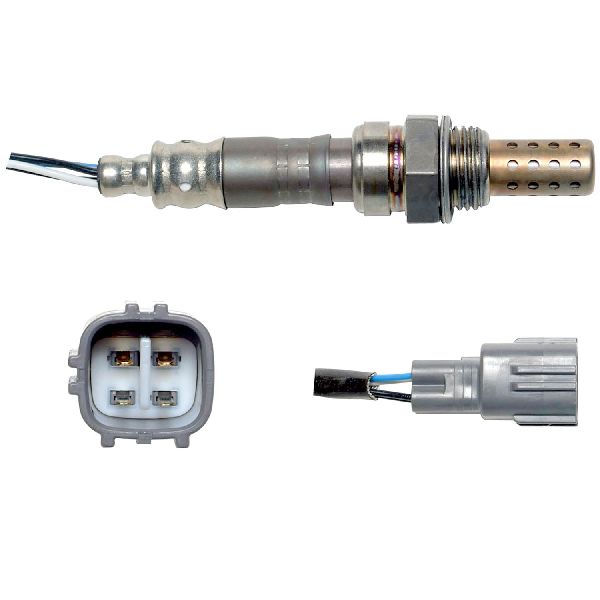
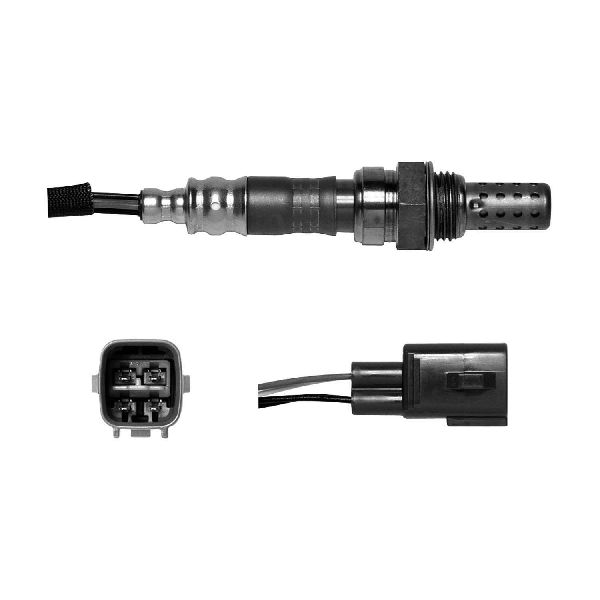
Denso is the original manufacturer of oxygen sensors for Toyota. Choosing a Denso aftermarket sensor is the closest you can get to buying the part from a Toyota dealer, often at a lower price. They are engineered to the exact specifications of your 4Runner, ensuring proper fit, connection, and performance without issues. For reliability, Denso is the top choice. - Tier 2 (Reputable Aftermarket): Bosch, NGK, Walker Products
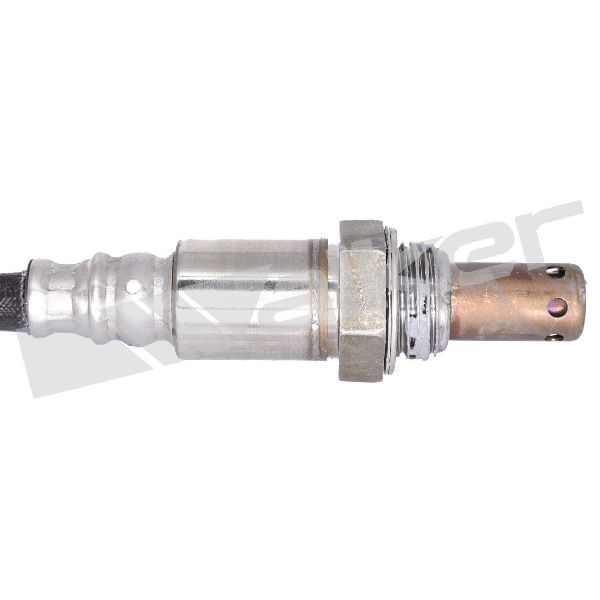
These are well-known brands in the aftermarket world. Bosch is a huge manufacturer, but some Toyota technicians advise against using their sensors on these vehicles, citing potential compatibility issues. NGK (also known as NTK for sensors) and Walker are generally considered reliable mid-tier options. They are a viable choice if a Denso part is not available. - Tier 3 (Value Brands): Delphi, DriveWire, Hella, Spectra
These brands typically offer the lowest price. While they may function correctly, their long-term reliability and precision may not match that of higher-tiered brands. Some owners have reported issues with budget sensors failing prematurely or causing performance problems. These are best considered if budget is the primary concern and you are willing to accept the potential risk.
Pro Tip: Upstream vs. Downstream Sensors
Your 4Runner has four oxygen sensors: two upstream (before the catalytic converters) and two downstream (after the cats). The V6 and V8 models have different part numbers. Upstream sensors are often called Air/Fuel Ratio sensors and are more expensive than the downstream sensors. Always confirm the exact location (e.g., Bank 1 Sensor 1, Bank 2 Sensor 2) and part number before ordering.
Oxygen Sensor Replacement Costs for 2002-2011 4Runner

The cost can vary significantly based on the sensor's position (upstream is more expensive) and the brand you choose.
| Part / Service | Estimated Cost |
|---|---|
| New Aftermarket Sensor | $25 - $373 |
| New OEM (Toyota Branded) Sensor | $117 - $380 |
| Shop Labor per Sensor | $100 - $200 |
| Total Professional Replacement (1 Sensor) | $250 - $776+ |
Frequently Asked Questions

How many oxygen sensors does my 2002-2011 4Runner have?
Both the V6 and V8 models of this generation have four oxygen sensors. There are two upstream (Bank 1 Sensor 1, Bank 2 Sensor 1) and two downstream (Bank 1 Sensor 2, Bank 2 Sensor 2). Bank 1 is on the passenger side of the engine, and Bank 2 is on the driver's side.
Should I replace all four sensors at once?
It's not strictly necessary. Oxygen sensors are wear items, but they don't always fail at the same time. The most cost-effective approach is to use an OBD-II scanner to identify the specific sensor that has failed and replace only that one. However, if one sensor has failed due to age (around 100,000 miles), the others may not be far behind.
Why is Denso so highly recommended for Toyotas?
Denso is the Original Equipment Manufacturer (OEM) for Toyota's oxygen sensors. This means the Denso sensor you buy from an auto parts store is often the exact same part as the one you'd get from a Toyota dealership, just in a different box. This guarantees perfect compatibility with your 4Runner's computer system, which can be picky about electronic components.
Can I replace an oxygen sensor myself?
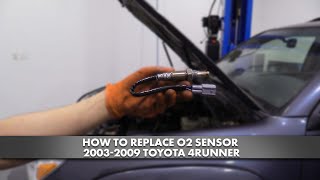
Yes, this is a feasible DIY job for someone with basic mechanical skills and the right tools. The main challenge is often the sensor being seized in the exhaust pipe due to rust and heat cycles. Using a generous amount of penetrating oil beforehand and a special oxygen sensor socket or wrench is crucial. 🎬 Watch this step-by-step guide on replacing your 4Runner's O2 sensors. The upstream sensor on the driver's side can be particularly difficult to access.
Are there any recalls for 4Runner oxygen sensors?
No, there are no specific recalls issued by the NHTSA for oxygen sensor failure on the 2002-2011 Toyota 4Runner. Failures are typically due to normal wear and tear rather than a manufacturing defect.
Helpful Videos
Technical Specifications
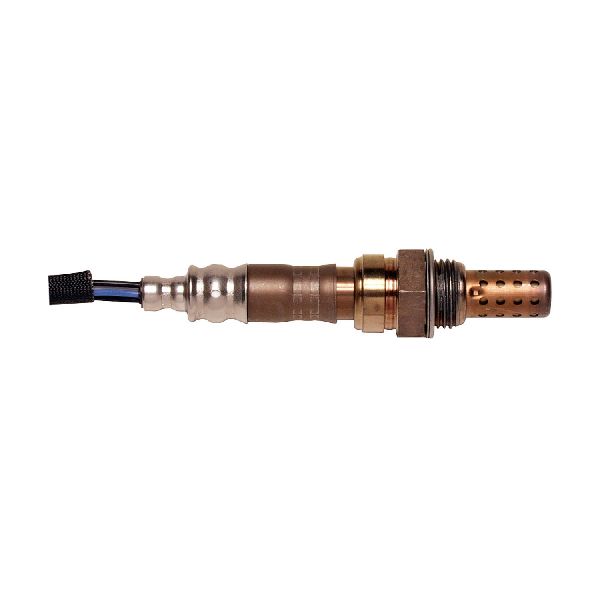
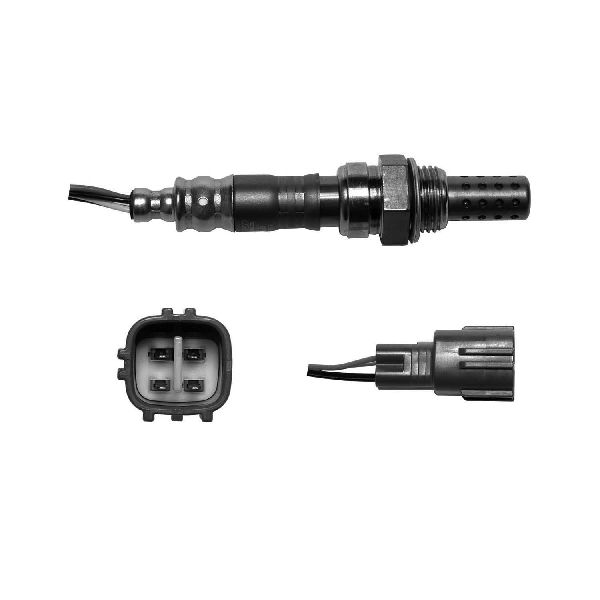
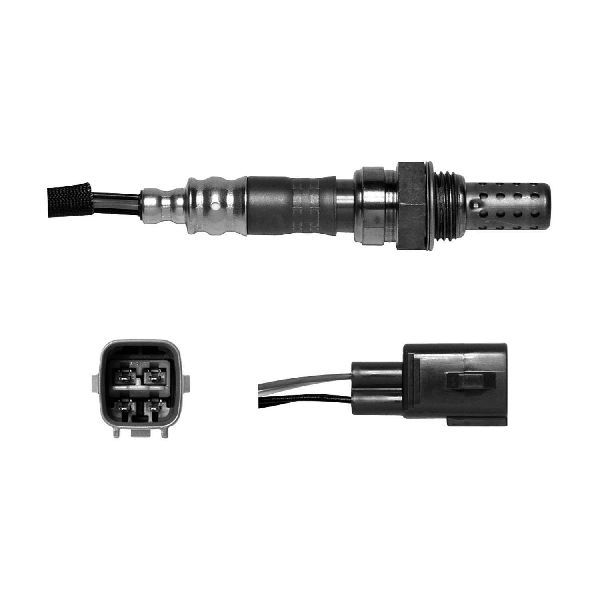
OEM Part Numbers: 89467-35110 89467-71020 89465-35670 89465-35680 89465-35690 89465-60220 89465-60320 89465-60330
Vehicle has four heated, 4-wire oxygen sensors. Two upstream Air/Fuel Ratio sensors and two downstream monitoring sensors. Part numbers vary by engine (V6 or V8), model year, and specific location (Bank 1/2, Sensor 1/2). Always verify the correct part number for your vehicle's VIN before purchase.
We Have This Part in Stock

The information in this article is provided for general reference and educational purposes only. Vehicle specifications, procedures, and part compatibility can vary by production date, trim level, and region. Always consult your vehicle's factory service manual and verify part numbers before purchasing or performing repairs. Safety-critical components such as airbags, seat belts, and braking systems should be installed by a qualified professional.
- Toyota 4Runner:
- 🎬 Helpful Videos
- 🛍️ Shop This Part
- Understanding Oxygen Sensor Failure in Your 4Runner
- Don't Ignore the Check Engine Light
- Choosing the Right Aftermarket Oxygen Sensor
- Brand Quality Tiers for the 4th Gen 4Runner
- Pro Tip: Upstream vs. Downstream Sensors
- Oxygen Sensor Replacement Costs for 2002-2011 4Runner
- Frequently Asked Questions
- 🎟️ Get 5% Off