

Toyota Camry Power Steering Pump Guide (2002-2011)
Everything a Camry owner needs to know about replacing a failing power steering pump.
- Whining noises when turning are the number one sign of a failing pump or low fluid.
- For the 2002-2011 Camry, a new aftermarket pump is often a safer bet than a remanufactured one due to quality control issues with rebuilt parts.
- Always flush the system and use the correct fluid (typically DEXRON II/III ATF) when replacing the pump to avoid damaging the new part.
- Before replacing the pump, check for simpler issues like low fluid or a binding steering shaft U-joint, which can cause similar symptoms.
Is Your Camry's Power Steering Pump Failing?
A failing power steering pump on a 2002-2011 Toyota Camry will give you clear warning signs. The most common is a whining or groaning noise that gets louder when you turn the wheel or as engine RPMs increase. You might also feel that the steering has become stiff, jerky, or requires more effort than before. Check under the hood and on the ground for reddish or light brown fluid leaks, which is a sure sign of a problem in the system.
Don't Ignore the Signs
A failing pump can eventually lose all power assist, making the car very difficult to steer, especially in emergencies. Leaks can also drip fluid onto other components like the alternator or belts, causing further damage.
Known Issues for 2002-2011 Toyota Camry
While the power steering pumps on these Camrys are generally reliable, they are a common wear-and-tear item, especially on vehicles over 100,000 miles. Failures are typically due to aging seals and internal wear. For 2004-2005 V6 models, Toyota issued a recall for a crankshaft pulley that could fail and cause a loss of power steering. While this wasn't a recall on the pump itself, the outcome was the same: a sudden loss of steering assist. Before replacing your pump, it's wise to check that other issues aren't the cause. Some owners have found that a binding U-joint on the steering shaft can cause stiff steering, which can be mistaken for a bad pump.
Choosing the Right Aftermarket Pump
When shopping for a replacement, you'll see 'New' and 'Remanufactured' options. For this specific part, the choice matters a lot.
- New Aftermarket Pumps: These are brand-new units made by companies other than Toyota. Brands like PWR, Mapco, and some offerings from Atlantic Automotive Enterprise fall into this category. Generally, a new aftermarket pump is considered a more reliable choice than a remanufactured one, as all components are fresh.
- Remanufactured Pumps: These are original pumps that have been rebuilt with new seals and wear items. Brands like Cardone and BBB Industries are common in this space. While they are often cheaper, remanufactured pumps have a mixed reputation among mechanics and owners, with some reporting premature failures or noise right out of the box. If your budget is tight, a remanufactured part can work, but be aware of the potential for quality issues.
Pro Tip: Flush the System
When you replace the pump, it's critical to flush the entire power steering system to remove old, contaminated fluid and any metal particles from the old failing pump. Failure to do so can cause your new pump to fail quickly. Always use a fluid that meets Toyota's specifications.
Power Steering Pump Replacement Cost (2002-2011 Toyota Camry)
| Part Type | Estimated Part Cost |
|---|---|
| New OEM | $310 - $540 |
| New Aftermarket | $94 - $306 |
| Remanufactured | $70 - $180 |
| Shop Labor | $150 - $300 |
Frequently Asked Questions
What kind of fluid should I use in my Camry's power steering?
Always check your owner's manual. Most 2002-2011 Toyota Camrys use a DEXRON II or III type Automatic Transmission Fluid (ATF) as power steering fluid. Using the wrong type can damage the seals and the pump.
My new pump is whining. Is it bad?
Not necessarily. A whining noise after installation is often caused by air trapped in the system. You need to bleed the system by turning the steering wheel from lock to lock several times with the engine running and the reservoir cap off. If the noise persists after proper bleeding, the pump may be defective.
Should I replace the hoses with the pump?
It's a good idea, especially on a high-mileage vehicle. Old hoses can become brittle and leak. Replacing them with the pump is good preventative maintenance and can save you from having to do the job twice. The high-pressure hose is especially important.
Is it the pump or the steering rack?
A whining noise that changes with engine speed usually points to the pump. A leak from the ends of the steering rack (from under the rubber boots) points to a bad rack. Stiff steering with no noise could be either, but often starts with the pump or low fluid.
Helpful Videos
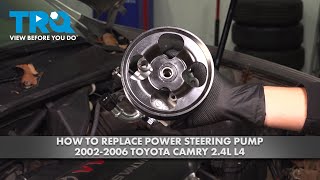
Technical Specifications
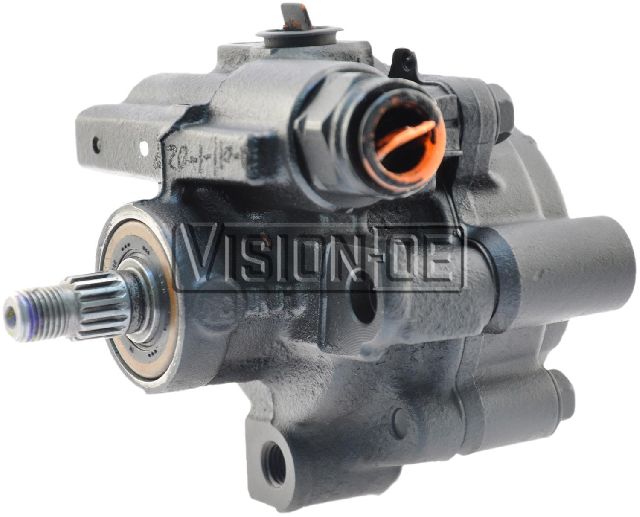
OEM Part Numbers: 44310-06070 44310-33150 44310-06190 44310-33190 44310-07040
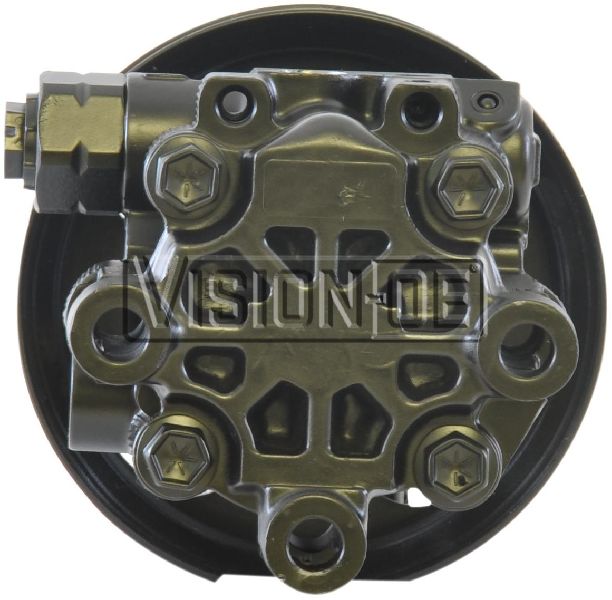
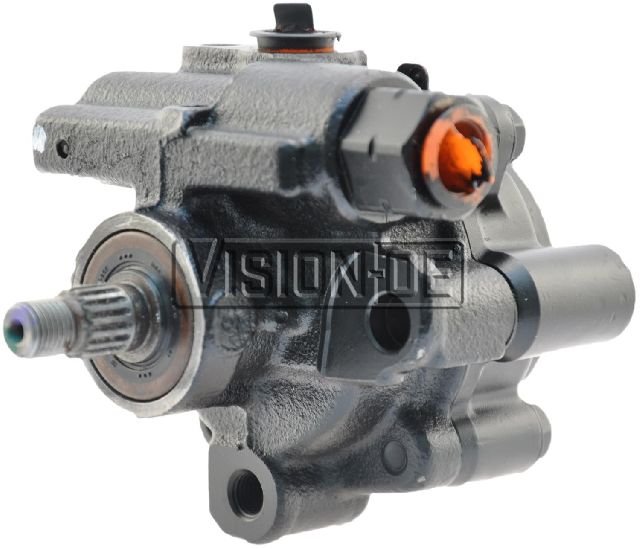
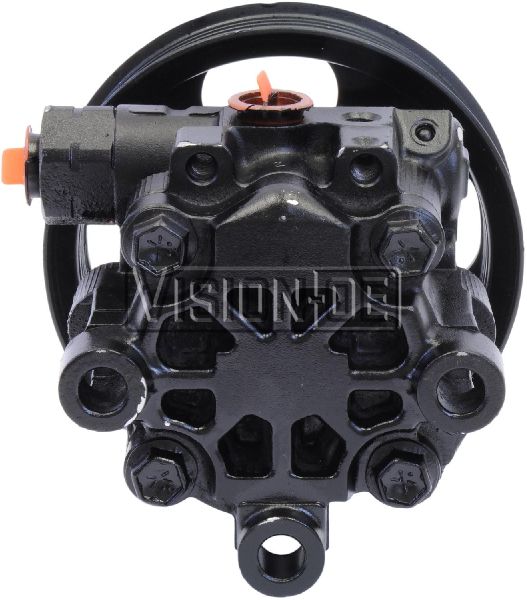
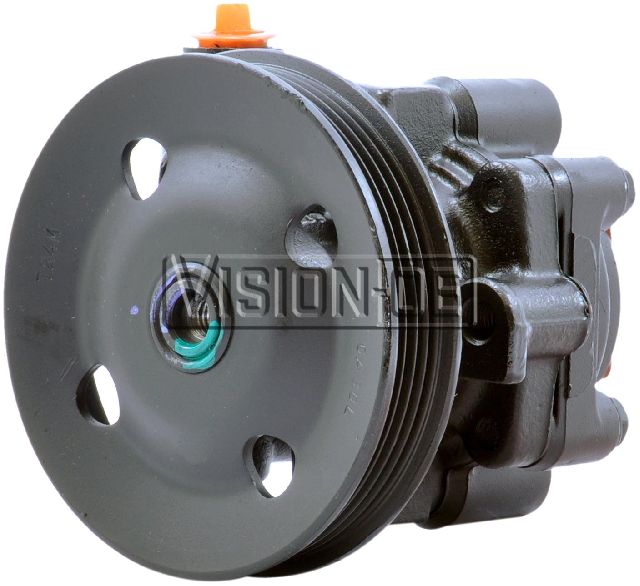
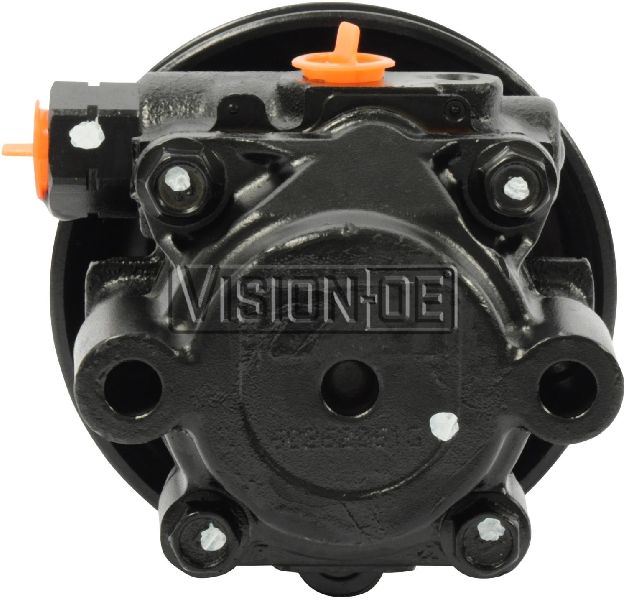
Belt-driven hydraulic pump. Uses DEXRON II/III type Automatic Transmission Fluid (ATF). Available with or without reservoir and pulley.
We Have This Part in Stock

The information in this article is provided for general reference and educational purposes only. Vehicle specifications, procedures, and part compatibility can vary by production date, trim level, and region. Always consult your vehicle's factory service manual and verify part numbers before purchasing or performing repairs. Safety-critical components such as airbags, seat belts, and braking systems should be installed by a qualified professional.
- Toyota Camry:
- 🎬 Helpful Videos
- 🛍️ Shop This Part
- Is Your Camry's Power Steering Pump Failing?
- Don't Ignore the Signs
- Known Issues for 2002-2011 Toyota Camry
- Choosing the Right Aftermarket Pump
- Pro Tip: Flush the System
- Power Steering Pump Replacement Cost (2002-2011 Toyota Camry)
- Frequently Asked Questions
- 🎟️ Get 5% Off