

Jeep Liberty Engine Coolant Temperature Sensor Guide (2002-2012)
Is your Jeep Liberty running rough or getting bad gas mileage? The engine coolant temperature sensor could be the problem.
- A bad coolant sensor on a Jeep Liberty often causes poor gas mileage, an erratic temperature gauge, and a check engine light.
- Always inspect the sensor's wiring and connector for corrosion or damage before replacing the part.
- This is an easy and affordable DIY repair; the sensor is located at the front of the engine.
- Choosing a quality aftermarket brand like Delphi, NTK, or Standard is a safe alternative to the more expensive Mopar part.
Symptoms of a Failing Coolant Temperature Sensor in a Jeep Liberty

A bad coolant temperature sensor can cause a variety of problems. Because the sensor's reading affects so many engine functions, the symptoms can sometimes be confusing. Here’s what to watch for:
- Check Engine Light: This is often the first sign. Common codes include P0117, P0118, and P0128. 🎬 Watch: EricTheCarGuy explains what P0118 engine codes mean for your Jeep.
- Poor Fuel Economy: If the sensor wrongly tells the computer the engine is cold, the computer will inject extra fuel. This causes your Jeep to use more gas than it should.
- Engine Overheating or Incorrect Gauge Reading: The temperature gauge on your dashboard might shoot up to hot, drop to cold, or swing back and forth. A faulty sensor can also fail to trigger the cooling fans, leading to actual overheating.
- Black Smoke from Exhaust: This is a sign of the engine running too rich (too much fuel), which can be caused by a bad ECT sensor.
- Hard Starting: The engine may be difficult to start, especially when it's already warm.
Wiring and Connector Issues
Before you replace the sensor, check its electrical connector and the nearby wires. On the Jeep Liberty, the wiring harness can sometimes become loose or the connector pins can get corroded. A bad connection can cause the exact same problems as a bad sensor. Wiggle the connector with the engine running to see if it causes any change. If it does, you may only need to clean or repair the connection.
Choosing the Right Aftermarket Sensor

You don't have to buy the most expensive Mopar part from a dealer, but you should be careful about choosing the cheapest option. For a critical sensor like this, quality matters.
Tier 1: OEM and OEM-Equivalent Brands
- Mopar: This is the original factory part. It's guaranteed to fit and work correctly, but it is the most expensive option.
- Delphi, NGK (or NTK), Standard Motor Products (SMP): These brands are often the original suppliers to car manufacturers. They offer OEM quality, often for a lower price. They are a reliable choice for your Liberty.
Tier 2: Quality Aftermarket and Specialist Brands
- Beck Arnley, Crown Automotive, Omix-Ada, Holstein: These brands focus on providing parts that meet or exceed OEM specifications. Crown and Omix-Ada are well-known in the Jeep community and are a solid choice.
Tier 3: Economy Brands
- Dorman, Four Seasons, Walker Products, and store brands: These parts are the most affordable. While they can get the job done, they may have a shorter lifespan or minor fitment issues compared to higher-tier brands. Some owners have reported issues with aftermarket connectors not fitting as securely as the original.
Pro Tip: Many experienced Jeep owners recommend using an OEM Mopar thermostat and sensor. If you choose an aftermarket sensor, sticking to a Tier 1 or Tier 2 brand is your best bet for a long-lasting repair.
Cost to Replace a Jeep Liberty Coolant Temp Sensor
This is one of the more affordable and easier repairs you can do on your Jeep.
| Item | Estimated Cost |
|---|---|
| New OEM (Mopar) Part | $50 - $100 |
| New Aftermarket Part | $15 - $75 |
| Shop Labor | $75 - $150 |
| DIY Total Cost | $15 - $75 (Part Only) |
| Shop Total Cost | $90 - $250 |
Frequently Asked Questions

Where is the coolant temperature sensor on a 2002-2012 Jeep Liberty?
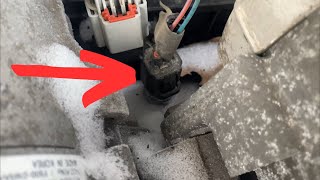
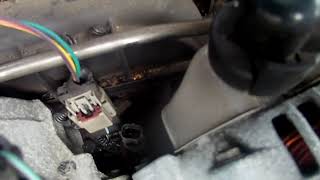
For both the 2.4L and 3.7L engines, the sensor is located at the front of the engine, on or near the thermostat housing where the large upper radiator hose connects to the engine. It is typically easy to see and reach from the top.
🎬 See this walkthrough for locating and replacing the sensor on 3.7L engines.Can I replace the sensor myself?
Yes, this is a great DIY job for beginners. It requires basic tools and about 30-60 minutes. The main steps are letting the engine cool, disconnecting the sensor, unscrewing the old one, screwing in the new one, and topping off any lost coolant.
Are there any recalls for the coolant temperature sensor on the Jeep Liberty?
No. Searches of the National Highway Traffic Safety Administration (NHTSA) database show no recalls or technical service bulletins (TSBs) directly related to the engine coolant temperature sensor for the 2002-2012 Jeep Liberty.
What happens if I don't replace a bad coolant sensor?
Ignoring a bad sensor can lead to more serious problems. Continuously running rich can foul your spark plugs and damage the catalytic converter. More importantly, if the sensor fails to detect an overheating condition, it can lead to severe engine damage like a blown head gasket.
Do I need to drain the coolant to replace the sensor?
You don't need to drain the entire system. However, since the sensor sits in a coolant passage, some coolant will spill out when you remove it. Have the new sensor ready to install quickly to minimize the loss. You will need to top off the coolant reservoir afterward and check for air in the system.
🎬 Watch: A helpful guide on how to test and replace the sensor.Helpful Videos

Technical Specifications
OEM Part Numbers: 56027873 56027873AB 56027873AA 5149077AB
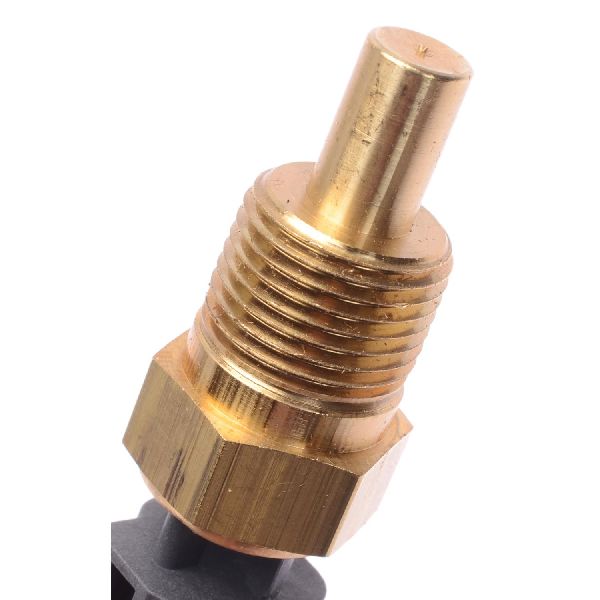
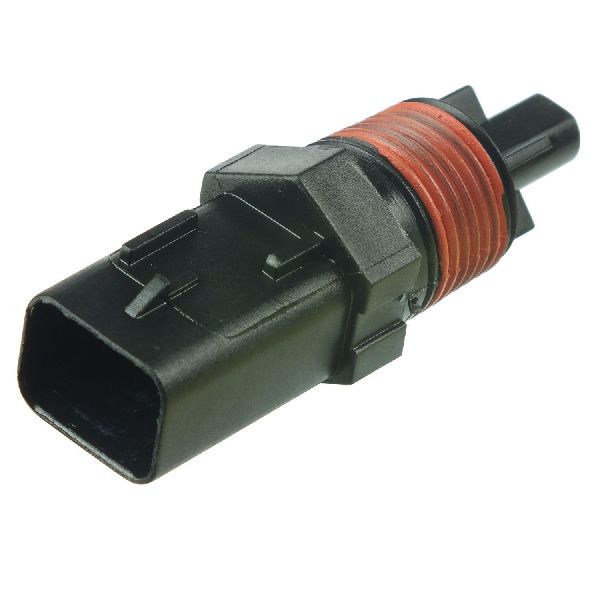
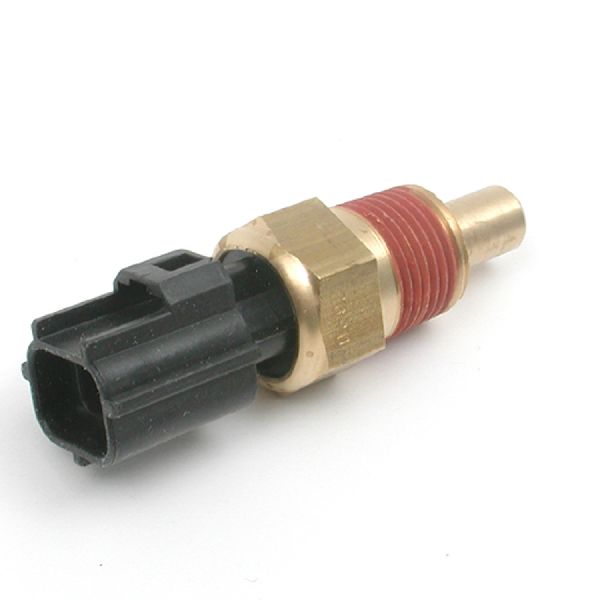
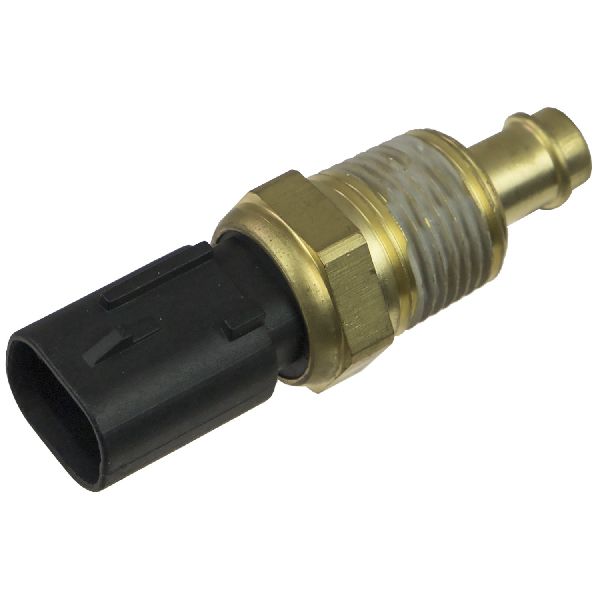
2-pin connector, threaded body. Location is on the thermostat housing or nearby coolant passage on the front of the engine.
We Have This Part in Stock


The information in this article is provided for general reference and educational purposes only. Vehicle specifications, procedures, and part compatibility can vary by production date, trim level, and region. Always consult your vehicle's factory service manual and verify part numbers before purchasing or performing repairs. Safety-critical components such as airbags, seat belts, and braking systems should be installed by a qualified professional.
- Jeep Liberty: