

Solving Ignition Lock Cylinder Problems in a 2002-2012 Jeep Liberty
If your key is stuck, won't turn, or your Liberty won't start, your ignition lock cylinder could be the problem.
- The most common failure is the key not turning due to worn internal tumblers; this is a well-documented issue.
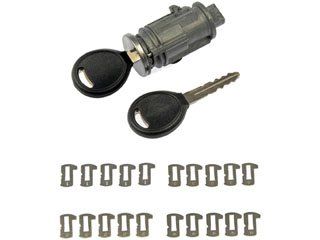
- To avoid expensive key reprogramming, choose an aftermarket kit (like Dorman's) that allows you to re-key the new cylinder to your original chipped key.
- For 2002-2007 models, if the key turns but nothing happens, also inspect the separate ignition actuator pin, a common failure point.
- Replacement is a simple DIY job for most owners, requiring basic tools and less than an hour.
Is Your Jeep Liberty's Ignition Lock Failing?

A worn-out ignition lock cylinder is a common issue on the 2002-2012 Jeep Liberty, especially the earlier 2002-2007 (KJ) models. The small metal tumblers inside the cylinder can wear down or get stuck over time. This prevents the key from turning properly. Symptoms often start small, like needing to jiggle the key, but they usually get worse until the vehicle is impossible to start.
Key Failure Symptoms
- Key Won't Turn: The most common symptom. The key goes into the ignition but you can't turn it to the 'ON' or 'START' position. Sometimes, hitting the end of the key 🎬 Watch this quick fix for a key that won't turn. can temporarily get it to turn.
- Key Gets Stuck: You may be able to start the car, but you can't turn the key all the way back to the 'OFF' position to remove it. This can be a security risk and drain your battery.
- No Crank, No Start: You turn the key, the dashboard lights up, but nothing happens. The engine doesn't even try to crank. While this can also be a sign of a bad ignition switch or actuator pin, a faulty lock cylinder can be the root cause.
- Loose or Finicky Key: The key feels loose in the ignition, or you have to find a “sweet spot” to get the car to start or turn off accessories.
Important Note on Recalls
There have been recalls for Jeep Liberty models in this year range, but they are generally not for the ignition lock cylinder itself. One major recall (NHTSA 13V-252) concerned the rear fuel tank structure. Another recall (NHTSA 14V-438) for some 2005-2007 Grand Cherokees and 2006-2007 Commanders involved the ignition switch and lock cylinder, but the Liberty was not included. Always check your specific VIN for any open recalls, but know that a failing lock cylinder is typically considered a standard wear-and-tear repair you will have to cover.
Choosing the Right Aftermarket Lock Cylinder

When your original Mopar lock cylinder fails, you have several aftermarket options. Your choice depends on your budget and how long you plan to keep your Liberty.
OEM (Mopar): This is the original part. It guarantees perfect fit and function but is the most expensive option.
Premium Aftermarket (Standard Ignition): Brands like Standard Motor Products (SMP) are trusted by professional mechanics. They build parts to meet or exceed original specifications, offering excellent reliability and durability, often for less than the OEM part.
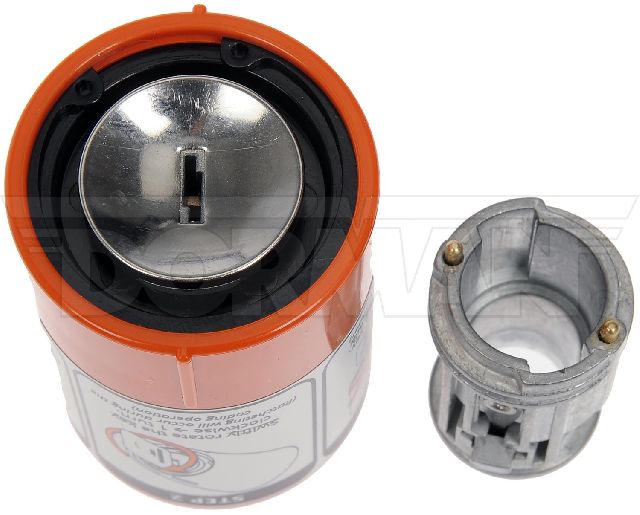
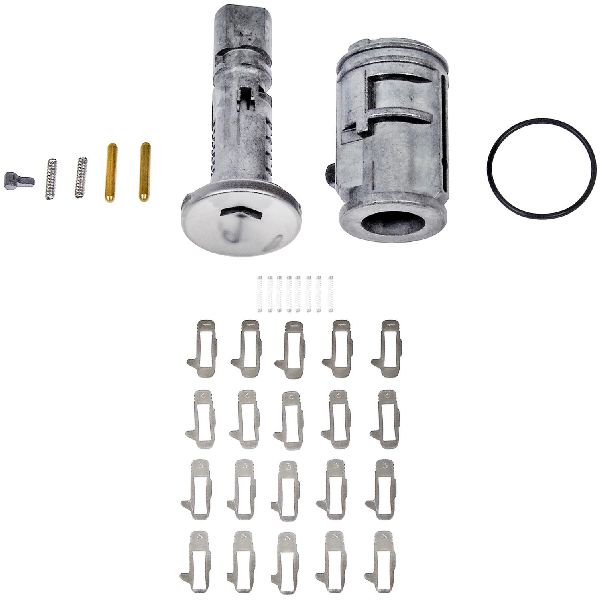
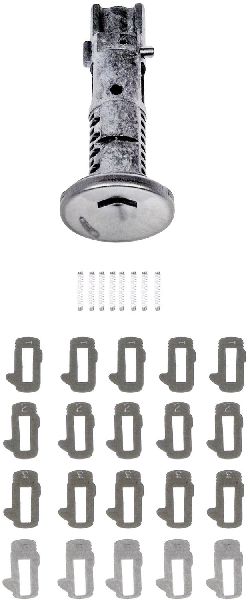
Quality Aftermarket (Dorman): Dorman is a very popular choice. Their kits, like the 924-703, often include new tumblers and instructions to "re-key" the new cylinder to match your original, chipped key. This saves you from the hassle and expense of programming new keys. While generally reliable, quality can sometimes be inconsistent compared to premium brands.
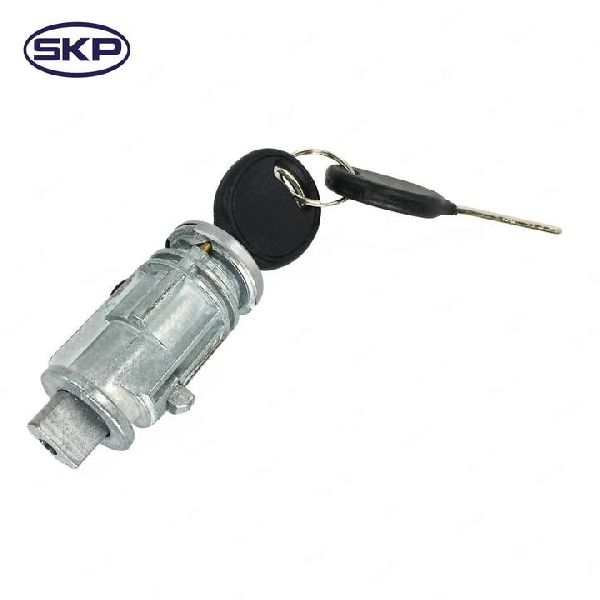
Economy Aftermarket (Replacement, Skyward, SKP): These are the most budget-friendly options. They can be a good choice if you need a quick, inexpensive fix, but their long-term durability may not match that of higher-priced brands. They get the job done but are considered a lower-tier replacement.
Common Ordering Mistake: Keys and Programming
Your Jeep Liberty key has a transponder chip for the Sentry Key system. If you install a lock cylinder with new keys, the vehicle will not start until the new keys are programmed to the vehicle's computer. This usually requires a locksmith or dealer. The best and cheapest solution is to buy a kit (like those from Dorman) that allows you to transfer the tumblers to match your existing, programmed key.
Cost of Replacing an Ignition Lock Cylinder
| Part or Service | Estimated Cost |
|---|---|
| New OEM (Mopar) Part | $120 - $225 |
| New Aftermarket Part | $26 - $90 |
| Shop Labor | $100 - $200 |
| Total DIY Cost (Aftermarket) | $26 - $90 |
| Total Shop Cost (Aftermarket) | $126 - $290 |
Frequently Asked Questions

Can I replace the ignition lock cylinder myself?
Yes, this is a very DIY-friendly job for most people. The process involves removing the plastic steering column covers (usually with a Torx screwdriver), turning the key to the 'ON' position, pressing a release pin on the bottom of the cylinder housing, and pulling the cylinder out. The entire process can often be done in under an hour with basic tools.
🎬 Follow this step-by-step guide to replace your ignition lock.What's the difference between the lock cylinder, ignition switch, and actuator pin?
They are three separate parts that work together. The Lock Cylinder is the mechanical part your key goes into. The Ignition Switch is the electronic part behind it that sends power to the vehicle. The Actuator Pin is a small metal piece that connects the two, and it is a known weak point on 2002-2007 models that can break and mimic a bad cylinder or switch. 🎬 See how to replace a broken ignition lock actuator pin. If your key turns but nothing happens, inspect the actuator pin (Dorman part 924-704) as well.
Do I need to program new keys if I replace the lock cylinder?
Only if you use the new keys that come with the cylinder. To avoid this, buy a kit that lets you re-key the new cylinder to fit your original transponder key. If you have two working original keys, you can sometimes program a third key yourself, but if you are introducing all-new keys, they must be programmed by a professional.
My key is stuck. What can I do right now?
For a key that won't turn, sometimes a sharp tap on the end of the key with the palm of your hand or a small object can jar the stuck tumblers loose enough to get it to turn one last time. For a key stuck in the 'ON' position, check that the gear shifter is fully in 'PARK' and the shifter button has popped out. A problem with the shift interlock cable can prevent the key from being released.
Helpful Videos
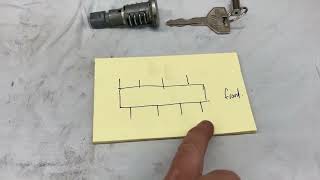
Technical Specifications
OEM Part Numbers: 5139207AA 5003843AB
The ignition lock cylinder for the Jeep Liberty is a mechanical tumbler-based lock that integrates with the vehicle's Sentry Key Immobilizer System (SKIS) via a halo antenna ring. It requires a transponder key for vehicle operation. Replacement often involves either programming new keys or re-pinning the new cylinder to match the original key.
We Have This Part in Stock


The information in this article is provided for general reference and educational purposes only. Vehicle specifications, procedures, and part compatibility can vary by production date, trim level, and region. Always consult your vehicle's factory service manual and verify part numbers before purchasing or performing repairs. Safety-critical components such as airbags, seat belts, and braking systems should be installed by a qualified professional.
- Jeep Liberty:
- 🎬 Helpful Videos
- 🛍️ Shop This Part
- Is Your Jeep Liberty's Ignition Lock Failing?
- Key Failure Symptoms
- Important Note on Recalls
- Choosing the Right Aftermarket Lock Cylinder
- Common Ordering Mistake: Keys and Programming
- Cost of Replacing an Ignition Lock Cylinder
- Frequently Asked Questions
- 🎟️ Get 5% Off