

Mitsubishi Lancer Engine Oil Pressure Switch Guide (2002-2012)
Understanding the oil pressure light and switch in your 2002-2012 Lancer.
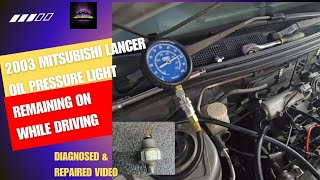
- A flickering oil light with a correct oil level is the most common sign of a failing switch on a Lancer.
- Always verify a low pressure warning by checking the oil level immediately before assuming the switch is bad.
- Replacement is a simple DIY job, but access can be tight, requiring a deep socket and possibly working from under the car.
- While cheap aftermarket parts are available, spending a little more on a premium brand like Hella or Standard Ignition can prevent future failures.
Understanding Your Lancer's Oil Pressure System

The oil pressure switch is a key part of your Lancer's engine health monitoring system. Its only purpose is to tell you if the oil pressure is dangerously low. It is not designed to warn you about low oil levels, though a very low oil level will eventually cause low pressure. A failure of this small part can either cause a constant, annoying warning light or, worse, fail to warn you of a real problem, potentially leading to catastrophic engine damage.
Common Failure Symptoms

When an oil pressure switch fails, it can create several confusing symptoms. Here’s what Lancer owners should watch for:
- Flickering or Constant Oil Light: This is the most common sign. The light may flicker at idle or during turns, or it might just stay on all the time, even when you know the oil level is correct. This happens when the switch becomes weak or faulty, giving false readings.
- Oil Leak from the Switch: The sensor itself can develop cracks or its internal seal can fail. This will cause engine oil to leak from the body of the switch or its electrical connector. You might notice oil residue on the engine block below the switch or drips on the ground.
- No Oil Light on Startup: When you turn your key to the 'ON' position without starting the engine, the oil pressure light should illuminate briefly as a system check. If it doesn't, the switch may have failed in the 'open' position.
Warning: Do Not Ignore the Oil Light
If your oil pressure light comes on, stop the car in a safe place and check your oil level immediately. If the level is low, do not drive the car. If the oil level is correct, the problem is likely the switch or a more serious internal engine issue. Continuing to drive with a potential low oil pressure problem can destroy your engine.
Choosing the Right Aftermarket Switch

For a part like the oil pressure switch, you don't necessarily need to buy an expensive OEM part from the dealer. However, quality varies among aftermarket brands. The part is exposed to constant heat and vibration, so choosing a quality part is important to avoid replacing it again soon.
Aftermarket brands can be grouped into tiers:
- Premium Brands (e.g., Hella, Standard Ignition, Vemo): These brands are known for quality control and using durable materials that meet or exceed OEM specifications. They are a reliable choice for a long-lasting repair.
- Standard/Value Brands (e.g., Facet, Global Parts, Holstein, Rostra Powertrain): These brands offer a more affordable alternative. They can be a good option for a budget-conscious repair, but their lifespan may not be as long as premium brands. Given the low cost of even premium options, investing a few extra dollars for better quality is often a wise decision.
Pro Tip: Check the Connector
When replacing the switch, inspect the electrical connector for corrosion or damage. A poor connection can cause the same symptoms as a bad switch. Some technicians recommend adding a small amount of dielectric grease to the connector to ensure a good seal and prevent future corrosion.
Cost to Replace a Lancer Oil Pressure Switch
| Part Type | Price Range |
|---|---|
| New Aftermarket | $7.46 - $48.54 |
| New OEM | $27 - $40 |
| Shop Labor Cost | $50 - $100 |
Note: Prices are estimates and can vary based on location, supplier, and specific vehicle model.
Frequently Asked Questions

Where is the oil pressure switch on my 2002-2012 Lancer?
The oil pressure switch is located on the engine block, typically on the backside of the engine, below the intake manifold and near the oil filter housing. Access can be tight, and on some models, you may need to work from underneath the car. For later models with the 2.4L engine, you may need to remove the air intake tube for better access.
Is a flickering oil light always a bad switch?
No. While a faulty switch is a common cause, a flickering light can also indicate a serious problem like a dangerously low oil level, incorrect oil viscosity (too thin), a clogged oil pickup tube, or a failing oil pump. Always check your oil level first. If the level is fine, it's wise to have the actual oil pressure tested with a mechanical gauge to rule out a more severe engine problem before simply replacing the switch.
What tools do I need for the replacement?
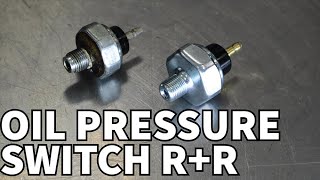
You will typically need a deep socket or a special oil pressure switch socket. The size can vary, but 24mm or 27mm sockets are common for Lancers. You may also need a ratchet with an extension to reach the switch. A rag or drain pan is useful to catch any oil that drips out.
Are there any recalls for the Lancer oil pressure switch?
There are no specific recalls on the engine oil pressure switch for the 2002-2012 Mitsubishi Lancer according to NHTSA data. However, there was a recall for the drive belt tensioner on some 2009-2012 models which is unrelated.
Helpful Videos
Technical Specifications
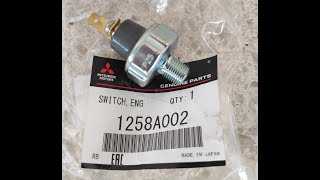
OEM Part Numbers: MN163743 1258A003 MN137360 MD005480
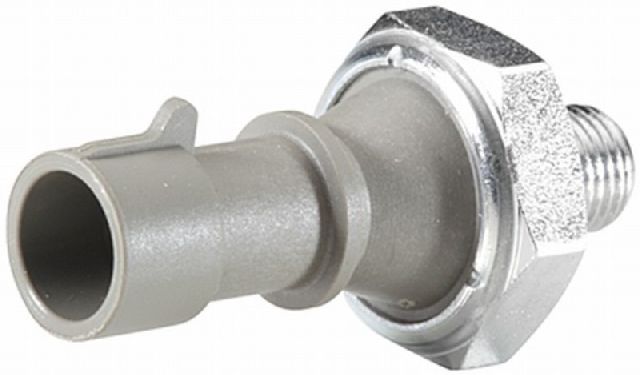
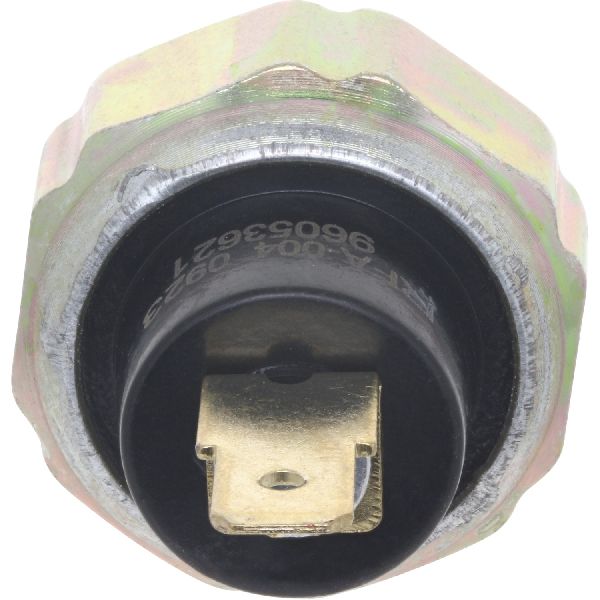
Single-pin electrical connector, tapered pipe thread (NPT)
We Have This Part in Stock


The information in this article is provided for general reference and educational purposes only. Vehicle specifications, procedures, and part compatibility can vary by production date, trim level, and region. Always consult your vehicle's factory service manual and verify part numbers before purchasing or performing repairs. Safety-critical components such as airbags, seat belts, and braking systems should be installed by a qualified professional.
- Mitsubishi Lancer: