

Toyota Camry Radiator Guide: 2002-2012 Models
Everything a Camry owner needs to know about choosing the right replacement radiator.
- Radiator failure is common on high-mileage 2002-2012 Camrys, usually due to cracked plastic end tanks.
- High-quality aftermarket brands like Denso, Koyorad, and CSF offer OEM-level performance for less money than dealer parts.
- While replacing the radiator, it is highly recommended to also replace the radiator cap, thermostat, and hoses.
- Always use a pink/red Asian vehicle-specific coolant; using the wrong type can cause damage.
Is Your Camry's Radiator Failing? Common Symptoms

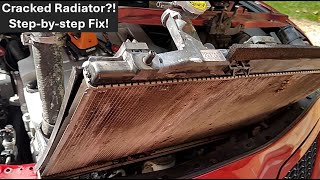
Radiators on the 2002-2012 Toyota Camry are generally durable, but they don't last forever. The most common failure is when the plastic tanks on the top and bottom become brittle from age and develop cracks. This allows coolant to leak out. Here are the key signs that your radiator needs attention:
- Engine Overheating: The temperature gauge on your dashboard climbing into the red is the most serious sign of a cooling problem. If you see this, pull over as soon as it's safe.
- Coolant Leaks: Finding puddles of bright green, pink, or orange fluid under the front of your car is a clear sign of a leak. You might also smell a sweet, syrupy odor after driving.
- Low Coolant Levels: If you have to add coolant to the overflow tank frequently, you likely have a leak somewhere in the system.
- Discolored Coolant: If the coolant in your reservoir looks rusty or sludgy, it can mean the inside of your radiator is corroding and clogging the system.
- Heater Not Working: Your car's cabin heater uses hot coolant to warm the air. If the heater is blowing cold, it can be a sign of low coolant or a clogged radiator.
Don't Ignore Overheating
Driving with an overheating engine can cause catastrophic damage, including a blown head gasket or a completely failed engine. These repairs can cost thousands of dollars. If your Camry is overheating, stop driving it immediately.
OEM vs. Aftermarket Radiators for Your Camry

When replacing your radiator, you have two main choices: OEM (Original Equipment Manufacturer) from a Toyota dealer or an aftermarket part from various brands. For the 2002-2012 Camry, the quality of aftermarket parts is very high, often providing the same or better performance for less money.
- OEM: An OEM radiator will be an exact match to the one your car came with. It's a guaranteed fit, but it is also the most expensive option.
- Aftermarket: The aftermarket offers a wide range of choices. Top-tier brands like Denso and Koyorad are often the original suppliers to Toyota, so you are getting OEM quality without the dealer price tag. Other brands offer a balance of quality and price, making them excellent choices for a daily driver.
Choosing the Right Aftermarket Brand
Not all aftermarket brands are created equal. We've grouped the available brands into tiers based on quality, fit, and owner feedback to help you choose.
Tier 1: OEM-Equivalent or Better
These brands are known for being original equipment suppliers or for making radiators that meet or exceed OEM standards. They are the best choice for longevity and perfect fit.
- Denso: Denso is a well-known OEM supplier for Toyota. Choosing a Denso radiator is essentially getting the same part that came with your car from the factory.
- Koyorad: Another top-tier Japanese brand, Koyorad is highly respected and often considered an upgrade over the stock radiator. They have a reputation for excellent build quality.
- CSF Radiator: CSF makes high-quality radiators that are often praised for being a perfect, drop-in fit. Some owners have found that the CSF radiator was identical to the original one they removed from their Camry.
Tier 2: Quality Aftermarket
These brands provide a great balance of quality, reliability, and price. They are a solid choice for most owners who want a dependable part without the premium price.
- Spectra: A very popular and widely available brand that offers good performance and reliability for the price.
- Nissens: A European brand with a reputation for good fit and function. While the build might feel slightly less robust than an OEM part, many owners report years of trouble-free use, making them a great value.
- ACDelco: While primarily a GM brand, ACDelco parts are manufactured to high standards and are a reliable choice for your Camry.
Tier 3: Budget-Friendly
These brands are the most affordable. They can be a good option if you're on a tight budget, but be aware that quality and longevity can be less consistent.
- APDI: Reviews for APDI are mixed. While they offer low prices, some users have reported issues with fitment and lower quality control.
- Global Parts, One Stop Solutions, Onix: These brands fall into the budget category. They will get the job done but may not have the same long-term durability as higher-tier options.
Pro Tip: Check the Stamping
Toyota sometimes used different radiator suppliers for the same model year. Before ordering, check the top tank of your current radiator for a stamped part number (like "0H131"). Matching this number helps ensure you get a perfect fit.
Known Issues, Recalls, and Service Bulletins
There are no major recalls or Technical Service Bulletins (TSBs) from Toyota specifically for radiator failure on the 2002-2012 Camry. Failures are almost always due to the age and mileage of the vehicle. The plastic and aluminum construction is reliable for about 8-10 years, after which the plastic tanks can become brittle and crack.
Cost to Replace a Toyota Camry Radiator

The cost depends on whether you do the job yourself or hire a professional mechanic.
| Item | Cost |
|---|---|
| Shop Labor | $350 - $550 |
| New OEM Radiator | $250 - $450+ |
| New Aftermarket Radiator | $50 - $250 |
| Total (Professional Installation) | $450 - $1,100+ |
| Total (DIY) | $50 - $250 (part only) |
Frequently Asked Questions

Is it hard to replace the radiator on a 2002-2012 Camry?
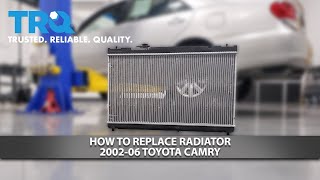
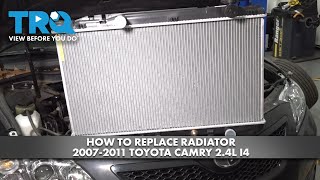
For a DIYer with some experience, it's a manageable job. The estimated time is about 1.5 to 3.5 hours. On the 2002-2006 models, the job can often be done from the top without lifting the car. 🎬 Watch this step-by-step radiator replacement for 2002-2006 models. The 2007-2011 models are a bit more complex, as some guides recommend removing the front bumper cover for better access.
🎬 See how to replace the radiator on 2007-2011 4-cylinder Camrys.Should I replace the radiator hoses and thermostat at the same time?
Yes, it's highly recommended. You're already draining the coolant and accessing that area of the engine. Replacing the upper and lower radiator hoses, as well as the thermostat and radiator cap, is a low-cost way to ensure the entire cooling system is reliable for years to come.
What kind of coolant should I use in my Camry?
Use a pink or red, phosphate-based Asian vehicle coolant. Toyota's official "Super Long Life Coolant" is the ideal choice. Do not use the old green or universal orange/yellow coolants, as they are not compatible with your Camry's engine and can cause damage.
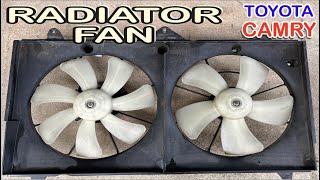
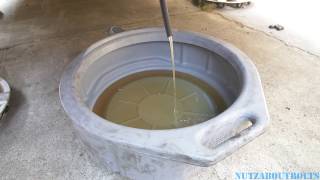
🎬 Follow this guide for a complete cooling system flush.Can I use a "stop leak" product instead of replacing my radiator?
It is not recommended. Stop leak products can clog the small passages not only in your radiator but also in your engine block and heater core, leading to much bigger and more expensive problems down the road. A cracked radiator cannot be permanently repaired and must be replaced.
Helpful Videos
Technical Specifications
OEM Part Numbers: 16400-0H131 16400-28280 16400-0H210 16410-AZ015 16400-0H030
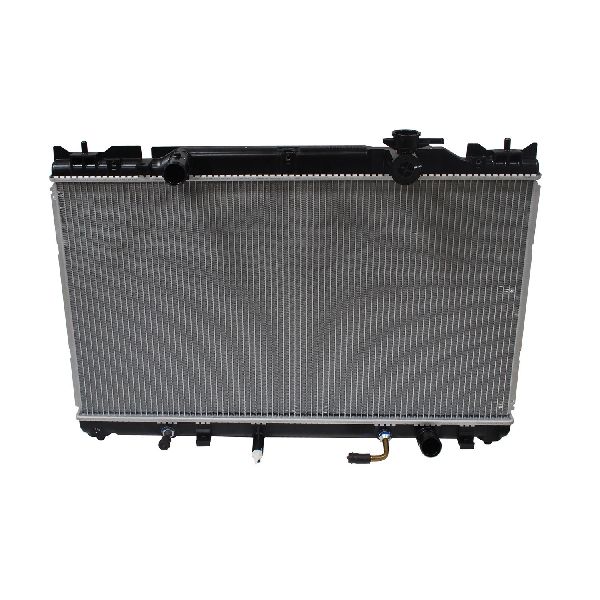
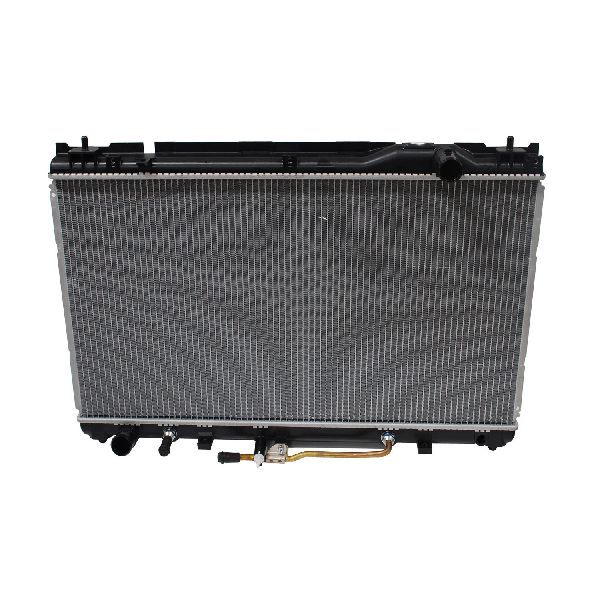
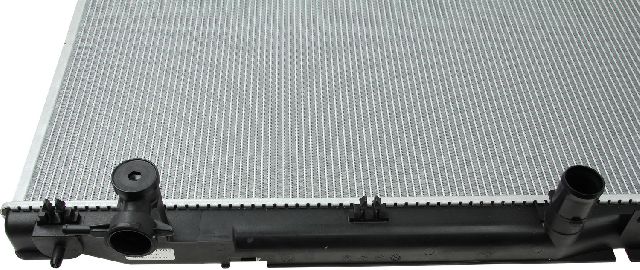
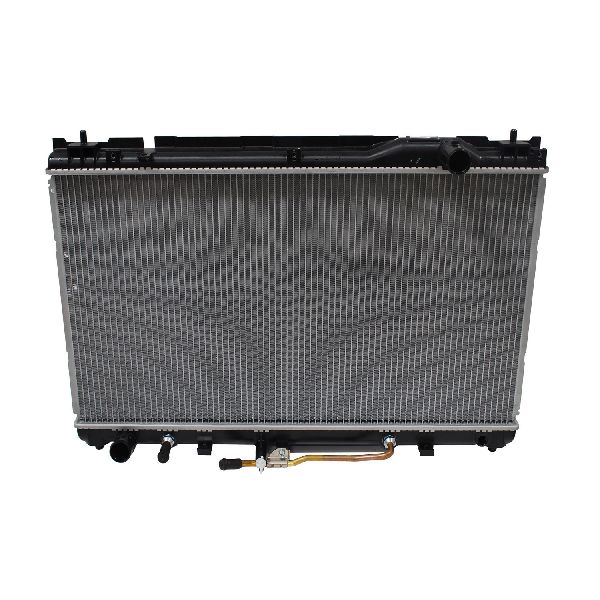
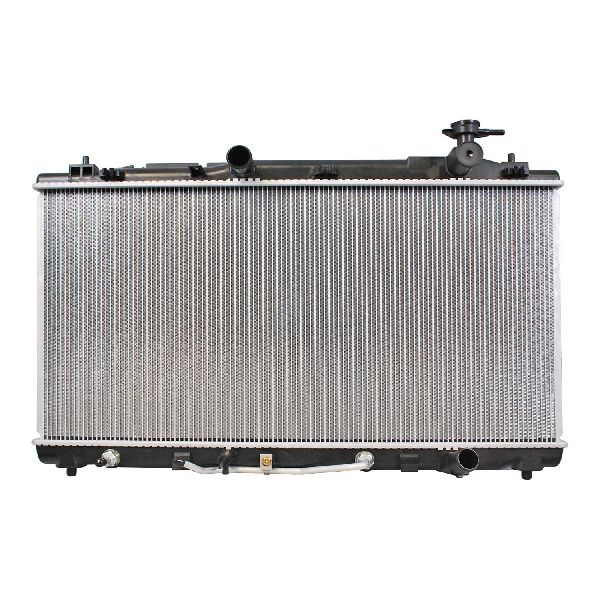
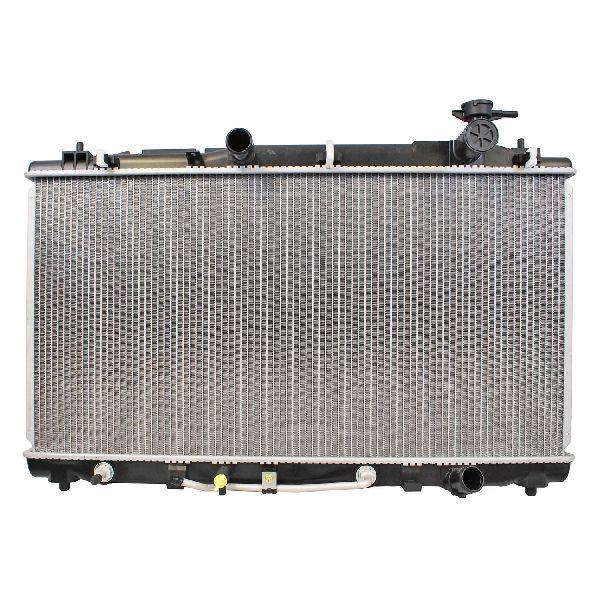
Most radiators for the 2002-2012 Toyota Camry feature an aluminum core with plastic tanks. They are a cross-flow or down-flow design and include an integrated transmission fluid cooler for automatic models. Core thickness is typically around 1 inch. Always verify the part fits your specific year, engine (4-cylinder or V6), and build location (US or Japan-built) before purchasing.
We Have This Part in Stock

The information in this article is provided for general reference and educational purposes only. Vehicle specifications, procedures, and part compatibility can vary by production date, trim level, and region. Always consult your vehicle's factory service manual and verify part numbers before purchasing or performing repairs. Safety-critical components such as airbags, seat belts, and braking systems should be installed by a qualified professional.
- Toyota Camry:
- 🎬 Helpful Videos
- 🛍️ Shop This Part
- Is Your Camry's Radiator Failing? Common Symptoms
- Don't Ignore Overheating
- OEM vs. Aftermarket Radiators for Your Camry
- Choosing the Right Aftermarket Brand
- Tier 1: OEM-Equivalent or Better
- Tier 2: Quality Aftermarket
- Tier 3: Budget-Friendly
- Pro Tip: Check the Stamping
- Known Issues, Recalls, and Service Bulletins
- Cost to Replace a Toyota Camry Radiator
- Frequently Asked Questions
- 🎟️ Get 5% Off