

Steering Tie Rod End Replacement Guide for the 2002-2013 Cadillac Escalade EXT
Restore your Escalade EXT's steering precision and prevent premature tire wear by choosing the right replacement tie rod ends.
- A mandatory wheel alignment is required after replacing any tie rod end to prevent unsafe handling and rapid tire wear.
- For the 2007-2013 models, be aware of a TSB regarding inner tie rods loosening from the steering rack.
- Premium brands like Moog and ACDelco offer better durability for a heavy vehicle like the Escalade EXT.
- It is highly recommended to replace tie rods in pairs (left and right sides) to ensure balanced and safe steering.
Signs of a Failing Tie Rod End
Worn tie rod ends on your Escalade EXT will give you clear warning signs. Because this is a heavy vehicle, worn steering parts can make it difficult to control. Ignoring these symptoms can lead to a complete loss of steering control.
- Loose or Shaky Steering: You may feel excessive play or a dead spot in the steering wheel. The truck might feel like it's wandering on the road without your input.
- Clunking or Popping Noises: A common sign is a clunking or knocking sound from the front end, especially when turning at low speeds or going over bumps. This is the sound of the worn joint moving around excessively.
- Uneven Tire Wear: A bad tie rod end will cause the wheel alignment to be off. Look for rapid wear on the inside or outside edge of your front tires.
- Steering Wheel Vibration: A shaky steering wheel that gets worse as you accelerate can point to a loose tie rod end.
Can I Drive with a Bad Tie Rod End?
It is not recommended. While the vehicle may still be drivable with early signs of wear, a complete failure means the tie rod separates from the wheel, causing a total loss of steering control on that side. This is extremely dangerous, especially at speed. It's best to get the vehicle serviced as soon as symptoms appear.
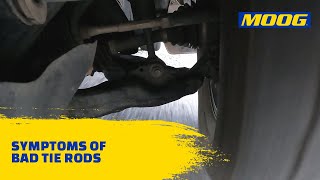
🎬 Watch: MOOG explains how to identify failing tie rod ends.Generation Differences: 2002-2006 vs. 2007-2013
It's important to know which generation your Escalade EXT belongs to, as the steering systems are different.
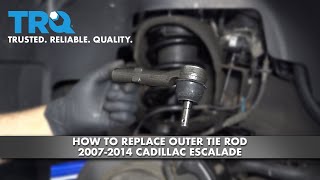
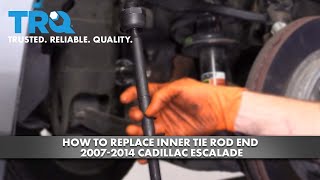
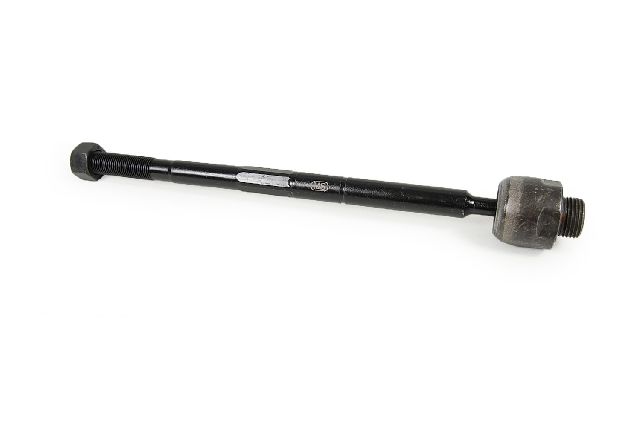
- 2002-2006 (GMT800 Platform): These trucks use a traditional steering gearbox with a pitman arm, idler arm, and a center link. The inner tie rods connect to this center link. When replacing tie rods on these models, it's a good idea to inspect the pitman and idler arms as well 🎬 See this inner and outer tie rod replacement walkthrough., as they wear at a similar rate.
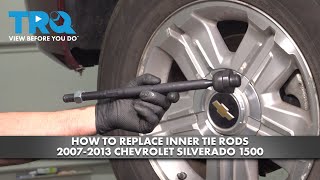
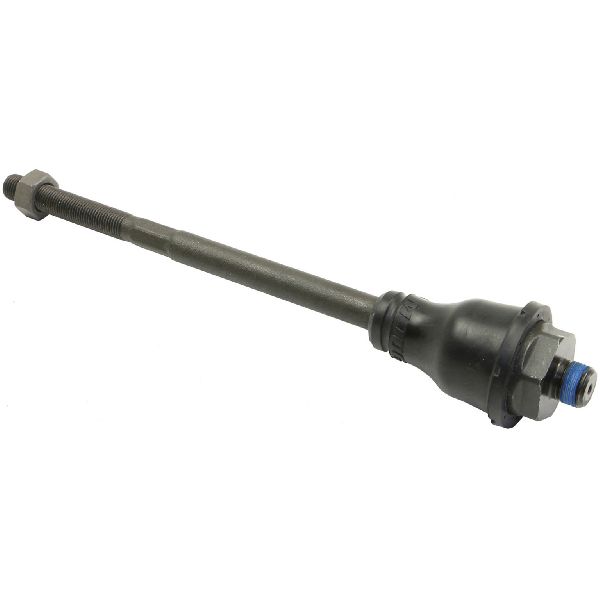
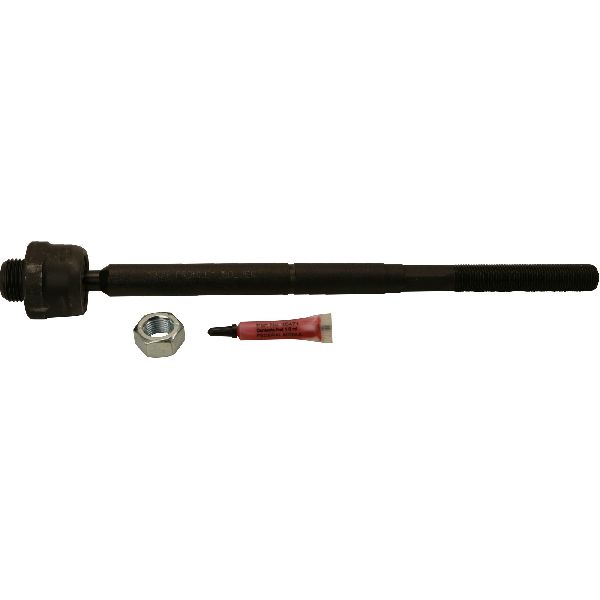
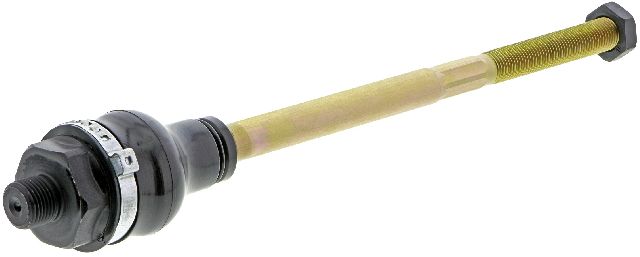
- 2007-2013 (GMT900 Platform): These models use a more modern rack and pinion steering system. The inner tie rods thread directly into the steering rack. This design requires a specific inner tie rod tool for replacement. 🎬 Watch: How to replace inner tie rods on 2007-2014 models.
Known Issues: Technical Service Bulletins (TSBs)
For 2007 models, General Motors issued TSB #07-02-32-008B. This bulletin addresses an issue where the inner tie rod can loosen from the steering rack. Symptoms include an off-center steering wheel, a clunking noise when turning, and premature front tire wear. The fix involves checking the torque of the inner tie rod and replacing the steering gear if any movement is found. No specific recalls for tie rod failure were issued for the 2002-2013 model years, though other steering-related recalls exist.
Choosing the Right Aftermarket Tie Rod End
When shopping for new aftermarket tie rod ends, you'll find parts at different quality levels and price points. For a heavy vehicle like the Escalade EXT, choosing a quality part is important for longevity and safety.
Brand Quality Tiers
- Premium Brands (Moog, ACDelco Professional/GM Genuine):
- These are the top-tier choices. Moog's "Problem Solver" line is often considered a heavy-duty upgrade with features like greaseable fittings for longer life. ACDelco is the original equipment manufacturer (OEM) for GM, so their Professional and GM Genuine parts offer factory-level quality and fit. You can expect the best performance and durability from these brands.
- Standard Brands (Delphi, Mevotech Supreme):
- These brands offer a good balance of quality and price. Delphi is a major OEM supplier and provides reliable, quality parts. Mevotech offers multiple lines; their "Supreme" line is generally considered a solid, standard replacement part. These are great options for daily driving and normal use.
- Economy Brands (QuickSteer, Suspensia, MAS, Dorman, Skyward):
- These brands provide a functional replacement at a lower cost. While they meet basic requirements, they may not have the same long-term durability or advanced features (like enhanced boot material or greaseability) as premium options. They are a suitable choice for budget-conscious repairs.
Replacement Cost
The cost to replace a steering tie rod end can vary based on your location and whether you do the work yourself. Remember that a wheel alignment is required after replacement, which adds to the total cost.
| Item | Estimated Cost |
|---|---|
| New Aftermarket Tie Rod End (Single) | $16 - $84 |
| New OEM Tie Rod End (Single) | $160 - $260 |
| Shop Labor (Per Side) | $55 - $100 |
| Wheel Alignment | $125 - $175 |
| Total Professional Replacement (One Side, Aftermarket Part) | $200 - $360 (including alignment) |
Frequently Asked Questions (FAQ)
Do I need a wheel alignment after replacing tie rod ends?
Yes, absolutely. Replacing a tie rod end, even if you count the threads perfectly, will change the vehicle's toe alignment setting. Driving without an alignment will cause poor handling and rapid, uneven tire wear. This is a mandatory final step.
Should I replace inner and outer tie rods at the same time?
It's a good practice, especially on high-mileage vehicles. If the outer tie rod has failed, the inner one has experienced the same amount of wear and may fail soon. Replacing them together saves on labor and ensures you only need one wheel alignment.
Should I replace tie rods in pairs (left and right sides)?
Yes. Tie rods wear out at a similar rate on both sides of the vehicle. If one side is worn enough to require replacement, the other side is likely not far behind. Replacing both at the same time is the recommended procedure for safety and predictable handling.
Is this a difficult DIY job?
For an experienced DIY mechanic, replacing outer tie rods is a manageable job. It requires tools like a jack, jack stands, a large wrench or pliers for the jam nut, and a tie rod separator (pickle fork) or hammer to free the old part. Inner tie rods on 2007+ models require a special tool. However, since a professional alignment is needed afterward, many owners choose to have a shop perform the entire service.
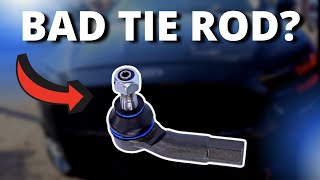
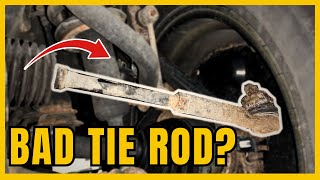
Helpful Videos
Technical Specifications
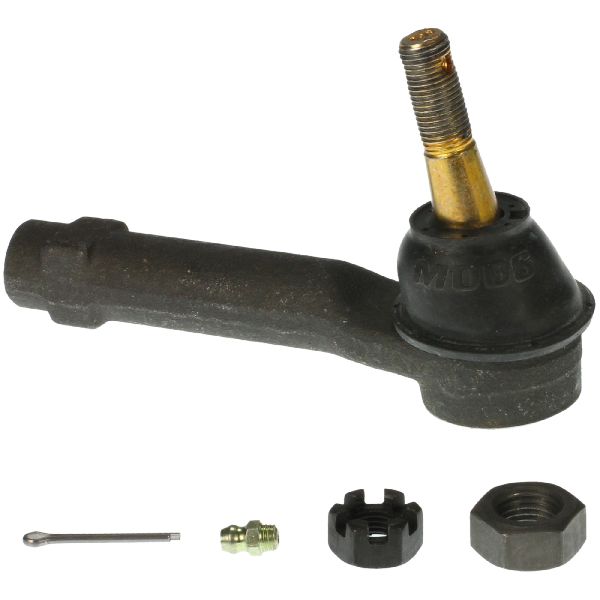
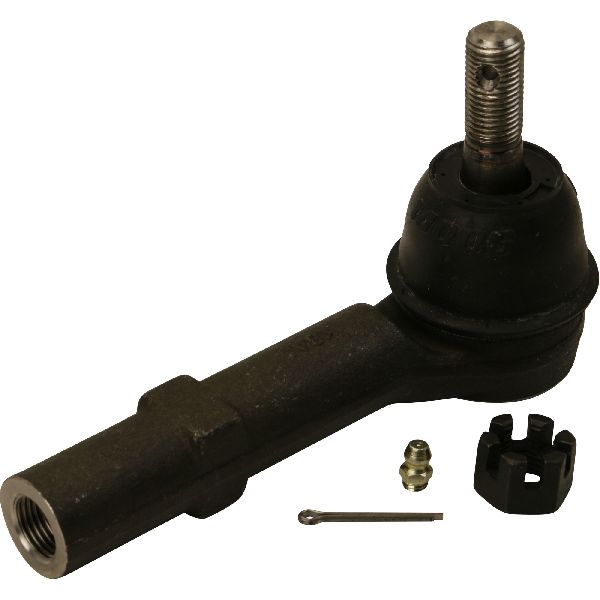
OEM Part Numbers: 15254061 (Outer, 2007-2013) 12471376 (Outer, 2002-2006, may be discontinued) 19149617 (Replaces 12471376)
The 2002-2006 models use a steering linkage system, while the 2007-2013 models use a rack and pinion system. Parts are not interchangeable between these two generations.
We Have This Part in Stock

The information in this article is provided for general reference and educational purposes only. Vehicle specifications, procedures, and part compatibility can vary by production date, trim level, and region. Always consult your vehicle's factory service manual and verify part numbers before purchasing or performing repairs. Safety-critical components such as airbags, seat belts, and braking systems should be installed by a qualified professional.
- Cadillac Escalade EXT:
- 🎬 Helpful Videos
- 🛍️ Shop This Part
- Signs of a Failing Tie Rod End
- Can I Drive with a Bad Tie Rod End?
- Generation Differences: 2002-2006 vs. 2007-2013
- Known Issues: Technical Service Bulletins (TSBs)
- Choosing the Right Aftermarket Tie Rod End
- Brand Quality Tiers
- Replacement Cost
- Frequently Asked Questions (FAQ)
- 🎟️ Get 5% Off