

Jeep Liberty 2002-2013 Engine Coolant Thermostat: A Comprehensive Guide
Everything a Jeep Liberty owner needs to know about diagnosing, replacing, and choosing the right engine coolant thermostat.
- A thermostat stuck open is the most common failure, causing a P0128 code, slow warm-up, and poor heat.
- A thermostat stuck closed is less common but more dangerous, causing rapid overheating that can damage the engine.
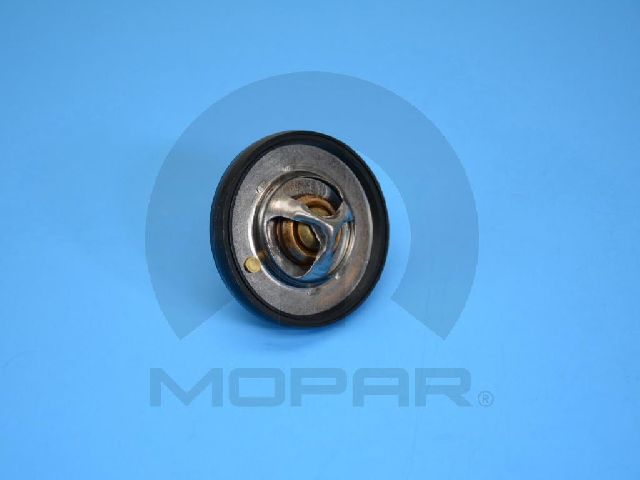
- Many owners and mechanics recommend using an OEM Mopar thermostat for reliability, as some aftermarket units have high failure rates.
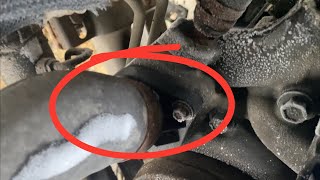
- The thermostat is located on the lower part of the 3.7L engine; replacement requires draining the coolant and working from underneath.
Symptoms of a Failing Thermostat
A thermostat can fail in two ways: stuck open or stuck closed. Each has distinct symptoms.
Stuck Open
This is the more common failure mode. When the thermostat is stuck open, coolant flows to the radiator constantly. This makes it take a very long time for your engine to warm up, especially in cold weather. You'll notice the temperature gauge staying on the low end, poor performance from your cabin heater, and your check engine light may come on with a P0128 code. This code specifically means the engine coolant temperature is below the normal regulating temperature.
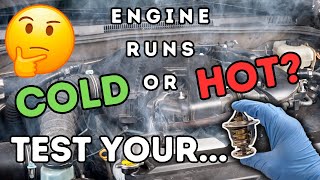
🎬 Watch: How to test your thermostat and diagnose code P0128Stuck Closed
A thermostat stuck closed is a more serious problem. It prevents coolant from reaching the radiator, causing the engine to overheat quickly. You will see the temperature gauge spike into the red, and you may see steam coming from under the hood. If this happens, you should pull over and shut off the engine immediately to prevent severe damage like a cracked cylinder head.
Choosing the Right Aftermarket Thermostat
When it comes to thermostats for the Jeep Liberty, many mechanics and experienced owners have strong opinions. While aftermarket parts offer cost savings, some have a higher-than-average failure rate out of the box. However, choosing a quality aftermarket brand can provide reliable performance.
Brand Tiers
- OEM/Premium Aftermarket (Mopar, Gates, Mishimoto): Mopar is the original equipment manufacturer and is widely recommended by forum users for guaranteed fit and reliability. Gates is a well-regarded aftermarket brand that aims for OE-equivalent performance and is a popular choice. Mishimoto offers a "racing" thermostat that opens at a lower temperature (180°F) to enhance cooling, which might be an option for modified or hard-working Jeeps, and it comes with a lifetime warranty.
- Standard Aftermarket (Motorad, Crown, Omix-Ada): These brands are widely available and offer a budget-friendly option. Motorad is a major manufacturer that produces thermostats for many other brands. Some users report good experiences, while others have noted premature failures. Crown Automotive and Omix-Ada are well-known in the Jeep aftermarket world, offering parts that meet OE specifications.
- Economy Brands: Various other brands are available at lower price points. While tempting, be aware that some forum members report a high failure rate for generic or unbranded thermostats right out of the box.
Pro Tip: Consider the Housing
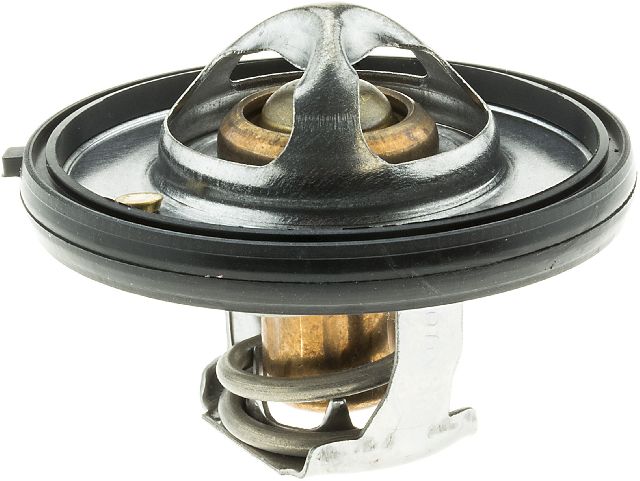
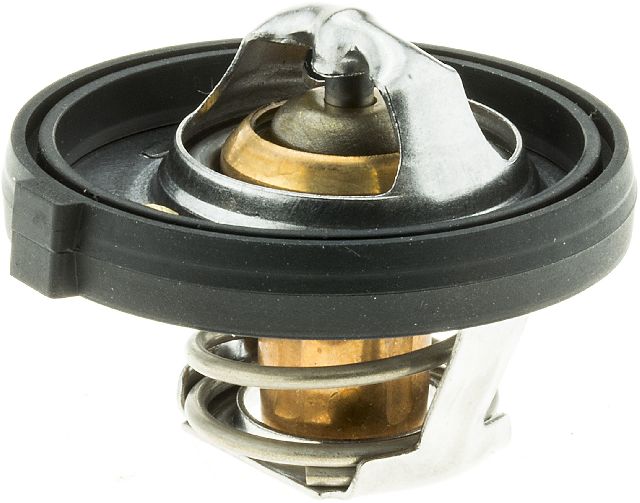
The thermostat on the 3.7L V6 is located inside a housing on the lower part of the engine. These housings can be plastic and may become brittle or crack over time. Many thermostats are sold as a kit with a new housing, which is often a good idea to replace at the same time to prevent future leaks.
Cost of Replacement
The cost can vary depending on the parts you choose and whether you do the work yourself.
| Item | Estimated Cost |
|---|---|
| New OEM (Mopar) Thermostat | $40 - $70 |
| New Aftermarket Thermostat | $10 - $71 |
| Shop Labor | $110 - $161 |
| Total Professional Replacement | $342 - $394 |
Frequently Asked Questions (FAQ)
Is it difficult to replace the thermostat on a Jeep Liberty?
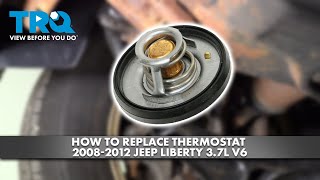
For the 3.7L V6, the thermostat is on the bottom of the engine, making access a bit more difficult than on many other vehicles. It requires draining the coolant and working from underneath the vehicle. 🎬 See this step-by-step replacement guide for 2008-2012 models While it is a feasible DIY job for someone with mechanical experience, it can be tricky. Proper bleeding of the air from the cooling system after installation is critical.
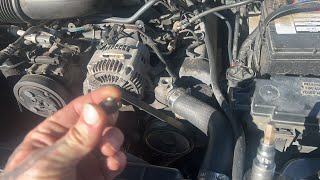
🎬 Watch: How to properly burp air from your cooling systemWhat is a P0128 code and how does it relate to the thermostat?
P0128 is a diagnostic trouble code that means "Coolant Temperature Below Thermostat Regulating Temperature." This code is set by your Jeep's computer when it detects that the engine isn't warming up as quickly as it should. The most common cause for this code is a thermostat that is stuck in the open position.
Should I use an OEM Mopar thermostat or is aftermarket okay?
Many experienced Jeep owners and mechanics strongly recommend using an OEM Mopar thermostat for the best reliability. While some quality aftermarket brands like Gates are available, thermostats are a critical component where the small extra cost for an OEM part can provide peace of mind and prevent repeat repairs.
Do I need a special coolant for my Jeep Liberty?
Yes. The 2002-2013 Jeep Liberty requires a specific type of coolant called HOAT (Hybrid Organic Additive Technology). Using the wrong type of coolant can lead to corrosion and damage to the cooling system. Zerex G-05 is a widely available and correct aftermarket equivalent.
What is a "fail-safe" thermostat?
Some aftermarket brands offer a "fail-safe" design. These thermostats are engineered to lock in the open position if they fail due to overheating. This prevents a more dangerous stuck-closed failure that could destroy the engine, but it means you will need to replace the thermostat to get your engine and heater to work properly again.
Helpful Videos
Technical Specifications
OEM Part Numbers: 68174083AA 52079476AE 52079476AD 52079476AC 52079476AB
Standard opening temperature for the 3.7L V6 is 195°F (91°C). Requires HOAT (Hybrid Organic Additive Technology) coolant, such as Mopar HOAT or Zerex G-05.
We Have This Part in Stock


The information in this article is provided for general reference and educational purposes only. Vehicle specifications, procedures, and part compatibility can vary by production date, trim level, and region. Always consult your vehicle's factory service manual and verify part numbers before purchasing or performing repairs. Safety-critical components such as airbags, seat belts, and braking systems should be installed by a qualified professional.
- Jeep Liberty: