

A Guide to Replacing Oxygen Sensors on the 2002-2013 Kia Sedona
Understand the symptoms of a failing oxygen sensor and learn how to choose the right replacement for your Sedona.
- Your 2002-2013 Sedona has four oxygen sensors; you must identify the correct failed sensor before ordering a replacement.
- Ignoring a bad O2 sensor can lead to poor fuel economy and will eventually damage your much more expensive catalytic converter.
- Choose a direct-fit sensor from a reputable brand like Bosch, Denso, or NGK for the best reliability and easiest installation.
- Replacing an oxygen sensor is a manageable DIY job that can save you over $100 in labor costs.
Is Your Kia Sedona's Oxygen Sensor Failing?

Oxygen sensors don't last forever and typically need replacement after 60,000 to 100,000 miles due to age and contamination. When a sensor fails, it can no longer provide accurate readings to the engine computer. This can cause a variety of noticeable problems. Ignoring a bad oxygen sensor can lead to more severe issues, including damage to your expensive catalytic converters.
Common Symptoms of a Bad O2 Sensor

If your Sedona is experiencing any of these issues, a faulty oxygen sensor could be the culprit:
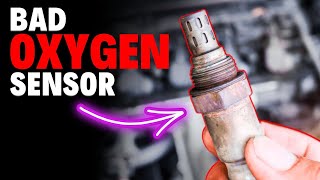
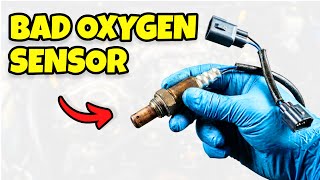
🎬 Watch: A visual guide to common bad O2 sensor symptoms- Check Engine Light: This is the most common sign. A scanner will usually show codes related to the O2 sensor's heater circuit or performance.
- Worse Gas Mileage: A bad sensor can cause the engine to run rich, burning more fuel than necessary.
- Rough Idle and Misfires: An incorrect air-fuel mixture can lead to a shaky idle, engine hesitation, and misfires.
- Rotten Egg Smell: A sulfur-like smell from the exhaust indicates that unburned fuel is getting into the catalytic converter, a problem often caused by a failing O2 sensor.
- Failed Emissions Test: A bad sensor will increase harmful emissions, causing your vehicle to fail state-mandated tests.
Don't Confuse Sensor Locations
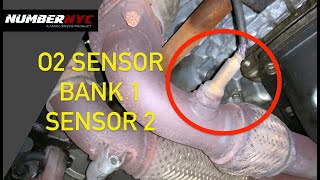
Your V6 Sedona has four sensors in specific locations: Bank 1 Sensor 1, Bank 1 Sensor 2, Bank 2 Sensor 1, and Bank 2 Sensor 2. "Sensor 1" is upstream (before the catalytic converter) and measures the raw exhaust. "Sensor 2" is downstream (after the converter) and monitors the converter's efficiency. It is critical to identify which sensor has failed and order the correct replacement, as they are often not interchangeable.
🎬 See how to locate and replace the Bank 1 Sensor 2Choosing the Right Aftermarket Oxygen Sensor

You don't need to buy the most expensive sensor, but quality matters. Aftermarket brands offer a good balance of performance and price. They can be grouped into tiers based on reputation and whether they are Original Equipment (OE) suppliers.
Tier 1: OE-Level Quality
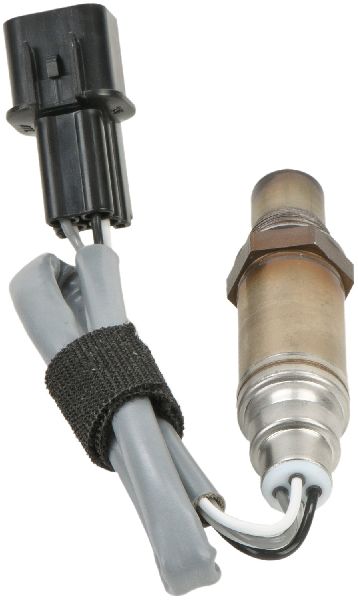
- Bosch: As the inventor of the automotive oxygen sensor, Bosch has a long-standing reputation for quality and performance. They are a trusted choice for many mechanics.
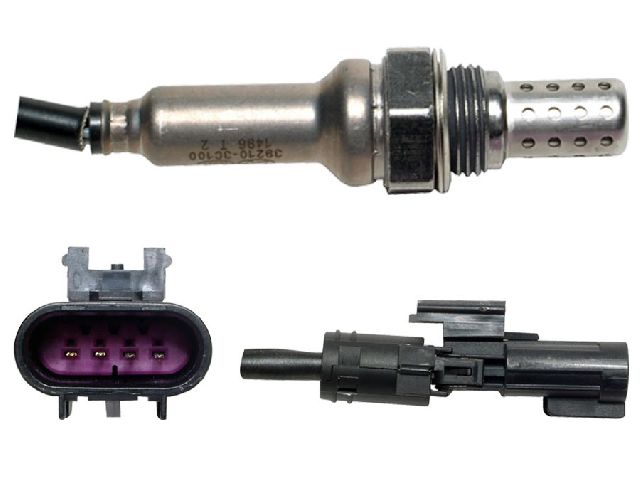
- Denso: Denso is a massive OE supplier, meaning their aftermarket sensors are often identical to the parts installed at the factory. They are known for their reliability and precise fit.
- NGK (NTK): NTK is the sensor division of NGK. They are another top-tier OE supplier known for high-quality sensors that meet or exceed factory specifications.
Tier 2: Quality Aftermarket Brands
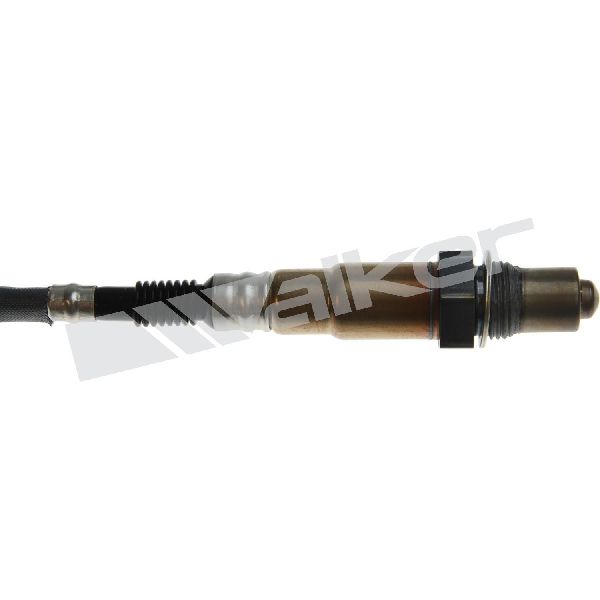
- Delphi, Walker Products, Spectra: These brands are well-regarded in the aftermarket community. They offer a reliable and cost-effective alternative to OE-level brands and are a solid choice for most repairs.
Tier 3: Budget-Friendly Options
- DriveWire, Unbranded/Store Brands: While these are the most affordable, they may have a shorter lifespan or less precise readings than higher-tier brands. A Reddit user reported receiving an incorrect part with the wrong threads from a budget-friendly source, so ensure you verify the part fitment carefully.
Direct-Fit vs. Universal Sensors
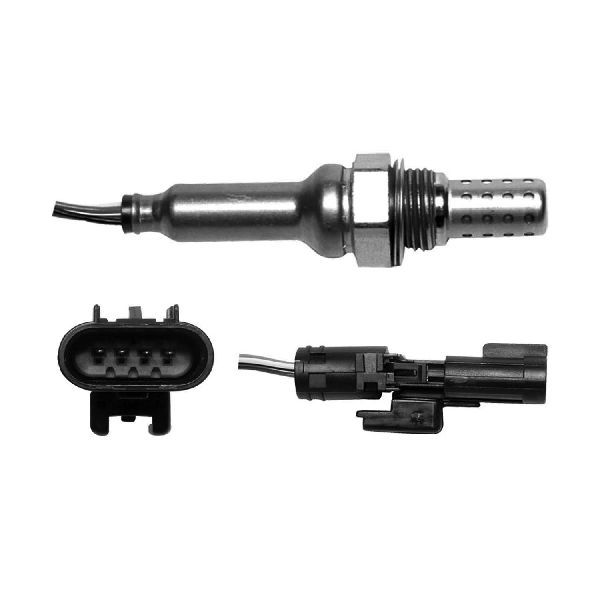
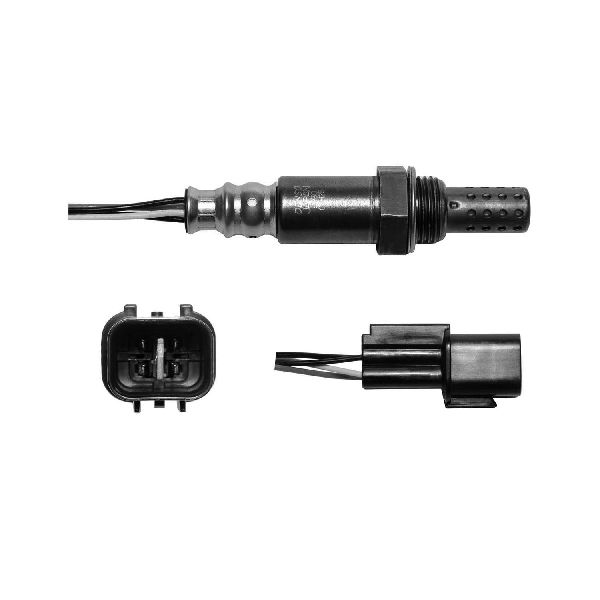
Always choose a "Direct-Fit" sensor. These come with the correct wire length and factory-style connector for a simple plug-and-play installation. "Universal" sensors are cheaper but require you to cut and splice the old connector onto the new sensor, which can lead to connection problems if not done perfectly.
How Much Does a New Oxygen Sensor Cost?
The cost depends on the brand and whether you do the work yourself. Replacing an O2 sensor is a common DIY job that can save you significant money on labor.
| Item | Estimated Cost |
|---|---|
| New Aftermarket Oxygen Sensor | $25 - $205 |
| Shop Labor | $100 - $200 |
| Total DIY Cost | $25 - $205 |
| Total Professional Installation | $125 - $405 |
Frequently Asked Questions

How many oxygen sensors does my 2002-2013 Kia Sedona have?
All V6 Kia Sedonas from this period have four oxygen sensors. There is one upstream and one downstream sensor for each of the two engine banks (Bank 1 and Bank 2).
Can I replace just one oxygen sensor?
Yes, you only need to replace the sensor that has failed. However, some experts recommend replacing them in pairs (e.g., both upstream sensors) on higher-mileage vehicles to ensure balanced readings, but it is not required.
Is it hard to replace a Kia Sedona oxygen sensor?
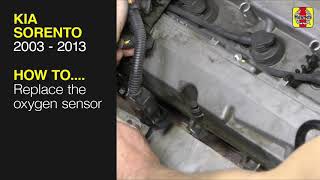
For a DIYer with the right tools, it's a relatively easy job. The main challenge is often removing the old sensor, which can be stuck in the exhaust pipe. Using penetrating oil beforehand and a special O2 sensor socket makes the job much easier. 🎬 Watch this step-by-step walkthrough for replacing your oxygen sensor Access to some sensors may be tight.
Were there any recalls for the oxygen sensor on the Kia Sedona?
No, there have been no specific recalls for the oxygen sensors on the 2002-2013 Kia Sedona. Sensor failure is considered a normal wear-and-tear item.
Helpful Videos
Technical Specifications
OEM Part Numbers: 39210-3C200
V6 engines use four heated, 4-wire oxygen sensors. Two are upstream (Sensor 1) and two are downstream (Sensor 2). Direct-fit connectors are recommended.
We Have This Part in Stock


The information in this article is provided for general reference and educational purposes only. Vehicle specifications, procedures, and part compatibility can vary by production date, trim level, and region. Always consult your vehicle's factory service manual and verify part numbers before purchasing or performing repairs. Safety-critical components such as airbags, seat belts, and braking systems should be installed by a qualified professional.
- Kia Sedona:
- 🎬 Helpful Videos
- 🛍️ Shop This Part
- Is Your Kia Sedona's Oxygen Sensor Failing?
- Common Symptoms of a Bad O2 Sensor
- Don't Confuse Sensor Locations
- Choosing the Right Aftermarket Oxygen Sensor
- Direct-Fit vs. Universal Sensors
- How Much Does a New Oxygen Sensor Cost?
- Frequently Asked Questions
- 🎟️ Get 5% Off