

Ford E-150 ABS Wheel Speed Sensor: A Complete Guide for 2002-2014 Models
Dealing with an ABS light on your Ford E-150? Here’s what you need to know before you buy a new wheel speed sensor.
- The ABS light is the main symptom, but check wiring for corrosion or damage before assuming the sensor is bad.
- The old sensor is very likely to be seized in the hub; be prepared with penetrating oil and patience.
- Stick with reputable aftermarket brands like Delphi, NGK, or Standard Ignition for this critical safety part.
- If you own a 2003-2004 E-150, be aware of the separate recall for the ABS control module for a potential fire risk.
Is Your Ford E-150 ABS Sensor Failing?
When a wheel speed sensor goes bad on your E-150, your van will give you clear signs. The most common and obvious symptom is the ABS warning light illuminating on your dashboard. You may also see the traction control light come on. While your regular brakes will still work, the anti-lock function will be disabled, which is a significant safety concern, especially in panic stops or on slippery roads.
Common Symptoms:
- ABS warning light is on
- Traction control light is on (if equipped)
- Brakes may feel like they are pulsing or engaging the ABS unnecessarily at low speeds
- In a hard stop, the wheels may lock up and skid
Stop! Check Your Wiring First.
Before you buy a new sensor, inspect the wiring leading to it. On Ford E-Series vans, the wiring harness, especially for the rear sensors, is exposed to the elements. Wires can become corroded, chafed, or broken. A diagnostic case on a 2011 E-150 found that corroded wires inside the rear axle wiring loom triggered ABS sensor fault codes, but the sensor itself was fine. Always check for damaged wires and clean, tight connectors first.
Choosing the Right Aftermarket Sensor for Your E-150
When replacing an electronic part like an ABS sensor, brand quality matters. A cheap, poorly made sensor can fail quickly, putting you right back where you started. While Ford's own Motorcraft part is always an option, several aftermarket brands offer a good balance of quality and value.
Brand Quality Tiers
- Premium Aftermarket (Recommended): Brands like Delphi, NGK (also sold as NTK), and Standard Ignition (SMP) have a strong reputation for producing reliable sensors that meet or exceed original equipment (OE) specifications. These are often trusted by professional mechanics and are a solid choice for a dependable, long-lasting repair.
- Standard Aftermarket: Brands like Dorman and Holstein are widely available and offer a direct-fit replacement. They are a popular choice for DIY repairs and generally offer good value, though some professional opinions on sensor longevity can be mixed.
- Budget Brands: Brands like Skyward, URO Parts, and Walker Products typically fall into the budget-friendly category. While the low price is appealing, be aware that the long-term reliability may not match that of premium brands. For a critical safety component, spending a little more on a well-known brand is often wise.
Cost of Replacing a Ford E-150 ABS Sensor
The cost can vary depending on the brand you choose and whether you do the work yourself. The sensors themselves are not typically expensive, but be prepared for the possibility of a seized part, which can increase labor time.
| Part / Service | Estimated Cost |
|---|---|
| New OEM (Motorcraft) Sensor | $90 - $200+ |
| New Aftermarket Sensor | $22 - $132 |
| Shop Labor | $100 - $250 |
Pro Tip: Expect a Fight
The most common problem when replacing these sensors is that they get seized or "rust-welded" into the wheel hub or knuckle. After removing the single retaining bolt (usually 8mm or 10mm), you will likely need to use a generous amount of penetrating oil and carefully pry or twist the old sensor out. It is very common for the old plastic sensor to break apart during removal. Be sure to clean the mounting hole thoroughly with a wire brush before installing the new sensor to ensure it seats correctly.
Frequently Asked Questions (FAQ)
Do I need a special tool to replace the sensor?
No, you typically don't need special tools. A basic socket set to remove the wheel and the sensor's retaining bolt, a jack and jack stands, and a wire brush are the essentials. However, having penetrating oil and pry tools on hand is highly recommended in case the old sensor is stuck.
Was there a recall on the ABS sensor for the E-150?
There was no recall specifically for the wheel speed sensors. However, there was a significant safety recall (NHTSA #04V444000) for the ABS control module on 2003-2004 Ford E-150s. The module could short circuit and potentially cause a fire, even when the van was parked. The fix involved installing a new fuse and a heat shield. It's worth checking if this recall was performed on your vehicle if it falls in this year range.
Why is my ABS light still on after replacing the sensor?
There are a few possibilities. First, the fault code stored in the computer may need to be cleared with a scan tool. Second, the problem may not have been the sensor at all, but rather the wiring or the connector. Third, the new sensor could be faulty (especially if it's a low-quality part), or the issue could be with the ABS module itself. Finally, ensure you cleaned the mounting surface and that there is no debris on the magnetic tip of the new sensor.
Should I replace all the ABS sensors at once?
No, it's not necessary. You only need to replace the sensor that has failed. A proper diagnosis with an ABS-capable scan tool will tell you which specific wheel circuit has a fault, so you can replace only the necessary part.
Technical Specifications
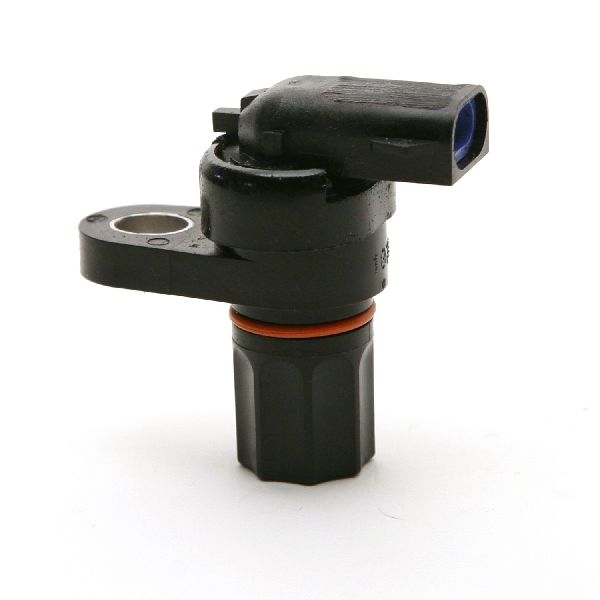
Sensors are specific to front or rear, and sometimes left or right sides. The front sensors are located on the steering knuckle, while the rear sensor is typically on the rear axle housing. The retaining bolt is usually an 8mm or 10mm hex head.
We Have This Part in Stock


The information in this article is provided for general reference and educational purposes only. Vehicle specifications, procedures, and part compatibility can vary by production date, trim level, and region. Always consult your vehicle's factory service manual and verify part numbers before purchasing or performing repairs. Safety-critical components such as airbags, seat belts, and braking systems should be installed by a qualified professional.
- Ford E-150: