

Ford E-150 Engine Camshaft Position Sensor Guide (2002-2014)
Having trouble with stalling or a no-start condition? Your E-150's camshaft position sensor could be the problem.
- A bad camshaft sensor can cause serious drivability issues, including stalling and no-start conditions, which can be a safety risk.
- This is a common DIY repair that is accessible on the front of the engine and typically held by a single bolt.
- For critical sensors like this, it is best to use an OEM (Motorcraft) or a top-tier aftermarket brand like Delphi, Denso, or Standard Ignition to avoid premature failure.
- Diagnostic codes P0340 and P0345 point directly to this sensor, indicating an issue with the circuit on Bank 1 or Bank 2, respectively.
Is Your Ford E-150 Showing Signs of a Bad Camshaft Sensor?
A failing camshaft position sensor in your 2002-2014 Ford E-150 can cause problems that range from annoying to leaving you stranded. Because this sensor is essential for engine timing, a bad signal can make the engine run poorly or not at all. Common symptoms include the engine stalling unexpectedly, difficulty starting, rough idling, and a noticeable loss of power when accelerating. You will almost certainly see the Check Engine Light come on, with codes like P0340 or P0345 being common indicators.
Don't Ignore the Signs
While you might be able to drive for a while with a failing sensor, it's not recommended. Sudden stalling can be a serious safety hazard, especially in a large van. Continuing to drive can also lead to poor fuel economy and potentially damage other engine components over time, like the catalytic converter.
Choosing the Right Aftermarket Sensor for Your E-150
When it comes to engine sensors, there's a debate between OEM (Original Equipment Manufacturer) and aftermarket parts. For critical sensors like the camshaft position sensor, many mechanics recommend sticking with the OEM brand (Motorcraft for Ford) or high-quality aftermarket alternatives. Cheaper, no-name sensors have a reputation for failing quickly, forcing you to do the job all over again.
From the available brands, here is a general breakdown:
- Top-Tier Aftermarket (OEM Quality): Brands like Delphi, Denso, and Standard Ignition (SMP) are well-regarded and often supply the original parts to manufacturers. They are engineered to meet or exceed original specifications and are a solid choice for reliability.
- Reputable Mid-Tier: Brands such as Hitachi, Walker Products, and Holstein offer a good balance of quality and price. They are a dependable option for a daily driver or work van without the higher cost of OEM parts.
- Value-Oriented: Brands like Dorman and Spectra can be a budget-friendly choice. However, for critical sensors, forum discussions often show mixed reviews, with some users experiencing premature failures. While they can work, the risk of getting a faulty part out of the box or having it fail sooner is higher.
Pro Tip: Check for Related Issues
Sometimes, a camshaft sensor code (like P0340) can be triggered by other problems. On Ford's modular engines, issues like a failing alternator creating electrical "noise" or oil leaks from the valve cover gaskets contaminating the sensor can cause false readings. Before replacing the sensor, inspect the wiring for damage and check for any nearby oil leaks.
Cost to Replace the Camshaft Position Sensor
| Part Type | Cost Range |
|---|---|
| New Aftermarket | $13.76 - $79.28 |
| New OEM (Motorcraft) | $45 - $113 |
| Shop Labor | $36 - $140 |
| Total Professional Replacement | $80 - $243 |
Frequently Asked Questions
Where is the camshaft position sensor located on the 2002-2014 E-150?
For the V8 engines (4.6L and 5.4L) common in these vans, the camshaft position sensor is typically located on the front of the engine, on the timing cover near the cylinder head. On V8 models, there are usually two sensors—one for each bank of cylinders. Bank 1 is on the passenger side and Bank 2 is on the driver's side.
Is this a difficult part to replace myself?
No, for most DIYers, this is a relatively easy job. The sensor is usually held in by a single 8mm bolt and is accessible from the front of the engine after removing the air intake tube. The job can typically be done in under an hour with basic hand tools.
What do the codes P0340 and P0345 mean?
P0340 refers to a problem with the camshaft position sensor circuit for Bank 1 (passenger side). P0345 indicates the same issue but for Bank 2 (driver side). These codes mean the PCM has detected a lack of signal or an inconsistent signal from the sensor.
Are there any recalls or TSBs for this part?
My search found no specific recalls for the camshaft position sensor itself on the 2002-2014 Ford E-150. However, Ford did issue a Technical Service Bulletin (TSB 02-22-1) related to the camshaft position synchronizer on some earlier models, which can cause similar codes (like P0340) if installed incorrectly. There are also TSBs for other models related to cam phaser issues that can sometimes be misdiagnosed as sensor problems.
Technical Specifications
OEM Part Numbers: 9X2Z-6B288-A
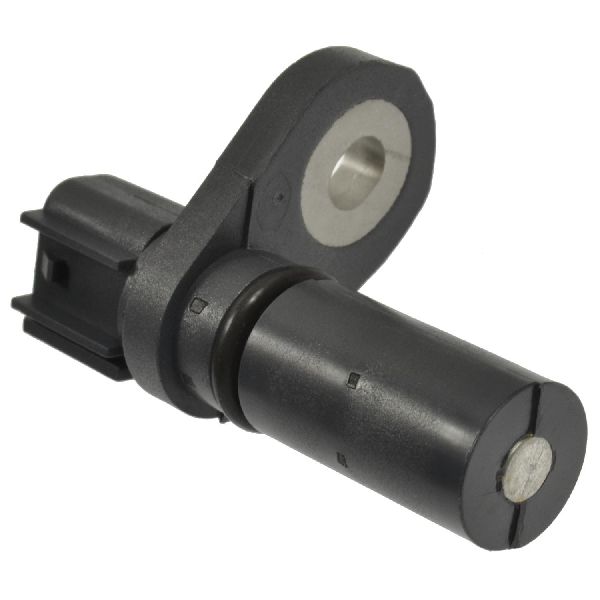
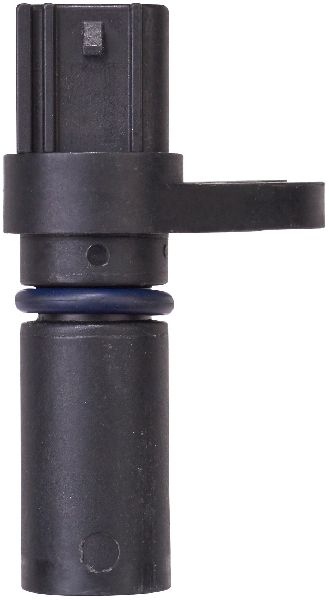
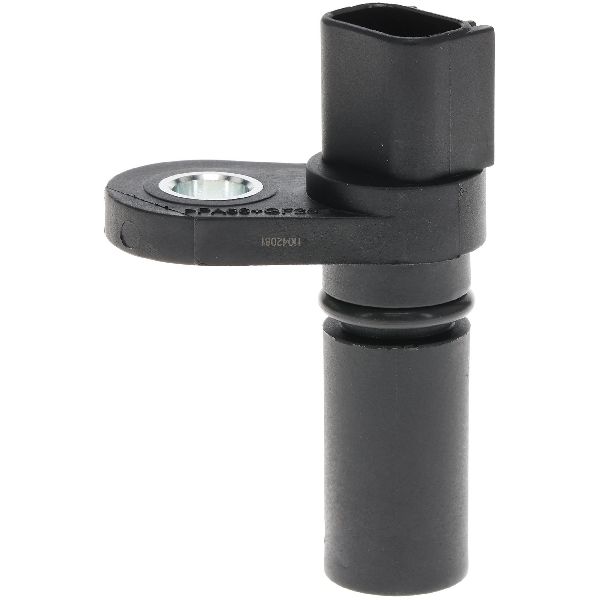
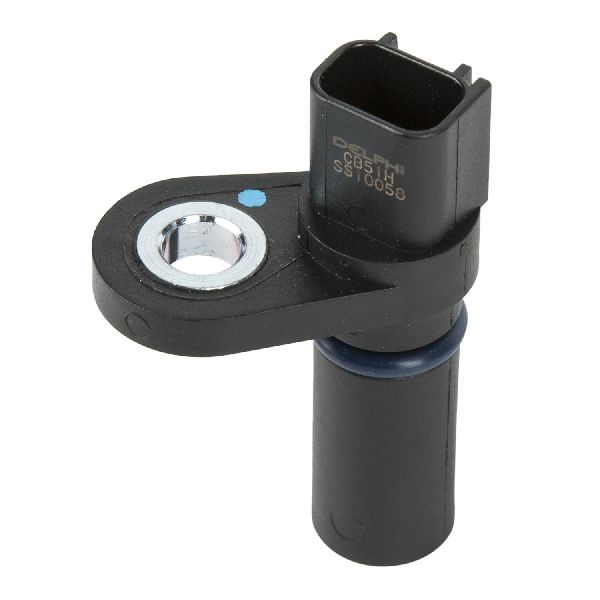
This is a 3-pin Hall-effect sensor. V8 models use two separate sensors, one for each cylinder bank.
We Have This Part in Stock


The information in this article is provided for general reference and educational purposes only. Vehicle specifications, procedures, and part compatibility can vary by production date, trim level, and region. Always consult your vehicle's factory service manual and verify part numbers before purchasing or performing repairs. Safety-critical components such as airbags, seat belts, and braking systems should be installed by a qualified professional.
- Ford E-150: