

Ford E-150 Engine Coolant Temperature Sensor Guide: 2002-2014
Spot a failing coolant sensor in your Ford E-150 and learn how to choose the right aftermarket replacement.
- A bad ECT sensor can cause a Check Engine Light (codes P0117, P0118), poor fuel economy, overheating, and black smoke.
- Verify if your E-150's engine uses an easily accessible ECT sensor or a harder-to-reach Cylinder Head Temperature (CHT) sensor before buying parts.
- Replacement of a standard ECT sensor is a simple DIY task, but always work on a cool engine to avoid burns.
- Quality aftermarket brands like NGK, Delphi, and Standard Ignition offer reliable performance comparable to OEM parts.
Understanding the ECT Sensor in Your E-150
The Engine Coolant Temperature (ECT) sensor plays a crucial role in your van's daily operation. It tells the engine's computer how hot or cold the engine is. Based on this single input, the computer adjusts the air-fuel mixture, optimizes ignition timing for power and efficiency, and controls the cooling fans to prevent overheating. When this sensor fails, it can send incorrect information, leading to a variety of engine performance problems.
CHT vs. ECT Sensor: A Common Ford Mix-Up
Many Ford engines in the 2002-2014 range, especially the 5.4L V8, use a Cylinder Head Temperature (CHT) sensor instead of, or in addition to, a traditional ECT sensor. The CHT sensor is often located under the intake manifold and is much harder to access. Before buying a part, it is critical to verify if your specific engine and year model uses an ECT sensor (typically screwed into a coolant passage near the thermostat) or a CHT sensor. Ordering the wrong part is a common mistake.
Symptoms of a Bad Engine Coolant Temperature Sensor
A failing ECT sensor can make you think you have a much bigger problem. Watch for these common signs:
- Check Engine Light: This is often the first sign. Codes like P0117 (circuit low) and P0118 (circuit high) point directly to the ECT sensor circuit.
- Engine Overheating: If the sensor fails to report that the engine is hot, the cooling fans may not turn on, leading to overheating.
- Poor Fuel Economy: A sensor stuck in a "cold" reading will cause the computer to inject too much fuel, hurting your gas mileage.
- Black Smoke from Exhaust: This is a result of the engine running too rich (too much fuel), which can be caused by a faulty ECT sensor telling the computer the engine is cold when it's not.
- Rough Idle or Stalling: Incorrect fuel and timing adjustments from a bad sensor reading can make the engine run poorly, especially at idle.
- Erratic Temperature Gauge: The gauge on your dashboard might swing wildly, stay on cold, or jump to hot for no reason.
Choosing the Right Aftermarket ECT Sensor
You don't need to buy an expensive OEM part from the dealer. Many aftermarket brands offer excellent quality, often from the same factories that make the original parts. Here’s a breakdown of available brands:
- Premium Aftermarket (OEM-Equivalent): Brands like NGK, Delphi, and Standard Ignition (SMP) are known for their high quality and are often original equipment suppliers for various automakers. They are a reliable choice for a direct, trouble-free replacement.
- Quality Mid-Grade: Walker Products, Four Seasons, and Facet offer a great balance of price and performance. They are solid, dependable options that meet or exceed OEM specifications.
- Economy Options: Brands like Holstein, Global Parts, and Motorad provide a budget-friendly solution. While they are more affordable, they are a viable option for getting your van back on the road.
Pro Tip: When replacing the sensor, take a moment to inspect the electrical connector. Clean any corrosion with a contact cleaner. If the connector is cracked or damaged, it should be replaced to ensure a good connection.
Cost of Replacing an ECT Sensor
| Part Type | Price Range |
|---|---|
| New Aftermarket Sensor | $12.13 - $56.45 |
| New OEM (Motorcraft) Sensor | $25 - $70 |
| Shop Labor Cost | $75 - $150 |
Frequently Asked Questions
Where is the ECT sensor located on a Ford E-150?
On most E-150s, the ECT sensor is located near the thermostat housing, at the front of the engine, often screwed into the intake manifold or a coolant crossover pipe. However, some engines, particularly the 5.4L, may use a Cylinder Head Temperature (CHT) sensor located under the intake manifold, which is much harder to reach. Always verify the location for your specific engine.
Can I drive with a bad ECT sensor?
You can, but it's not recommended for long. A bad sensor can lead to overheating, which can cause severe engine damage, or it can cause very poor fuel economy and performance. It's best to get it replaced soon.
Is this a difficult part to replace myself?
For a typical ECT sensor, replacement is very easy and suitable for a beginner DIYer. It usually involves unplugging the connector and unscrewing the old sensor with a deep socket. However, if your van has a CHT sensor, the replacement is much more involved and may require removing the intake manifold.
What happens if I don't replace a bad ECT sensor?
Ignoring a bad ECT sensor can lead to more serious problems. Continuously running rich can foul spark plugs and damage the catalytic converter. Running lean or overheating can cause catastrophic internal engine damage.
Technical Specifications
OEM Part Numbers: 3F1Z-12A648-A F5AZ-12A648-A F5AZ-12A648-AB DY1144
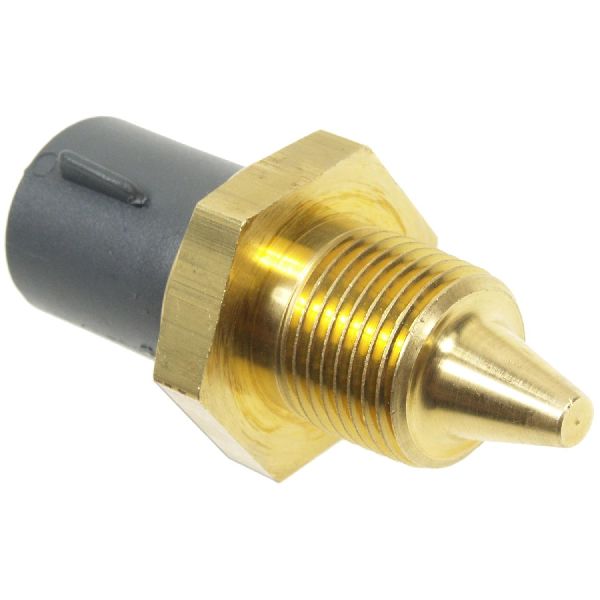
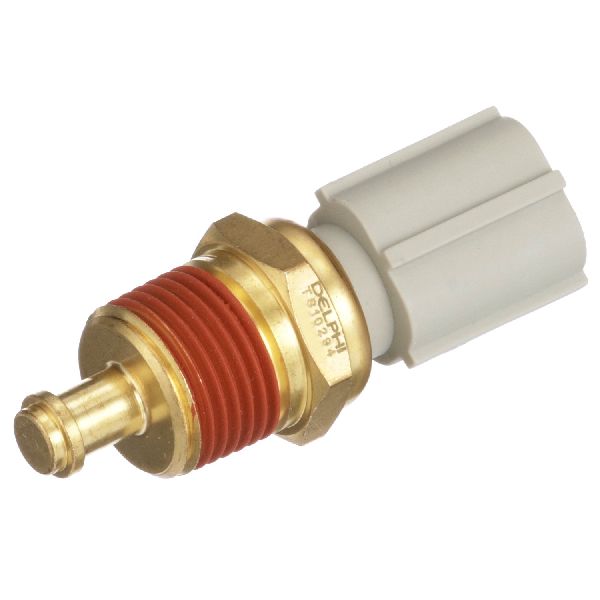
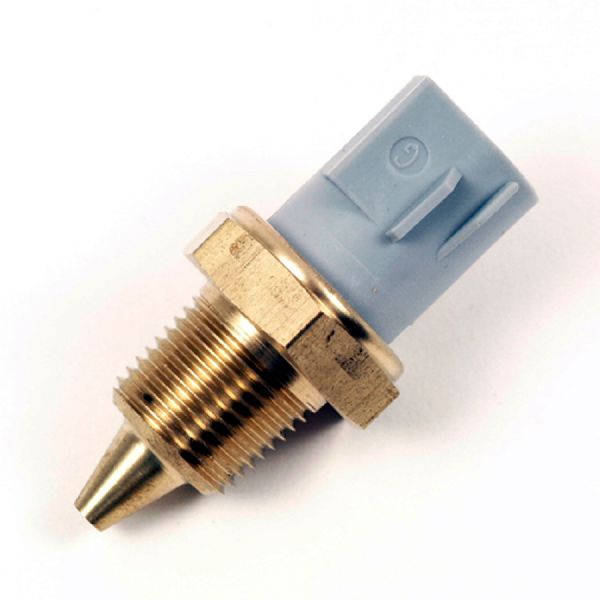
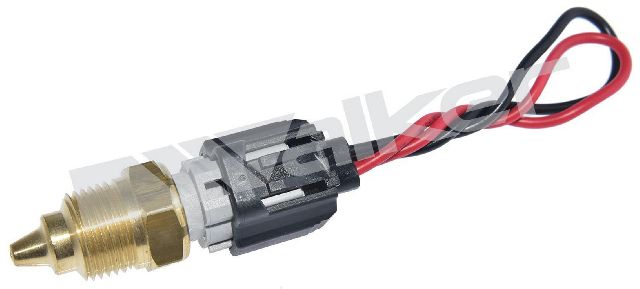
The Engine Coolant Temperature (ECT) sensor is a thermistor, which is a resistor that changes its resistance value with temperature. It is typically located in a coolant passage on the intake manifold or cylinder head. It has a two-wire electrical connector.
We Have This Part in Stock


The information in this article is provided for general reference and educational purposes only. Vehicle specifications, procedures, and part compatibility can vary by production date, trim level, and region. Always consult your vehicle's factory service manual and verify part numbers before purchasing or performing repairs. Safety-critical components such as airbags, seat belts, and braking systems should be installed by a qualified professional.
- Ford E-150: