

Ford E-150 (2002-2014) Engine Crankcase Breather Hose Guide
Diagnose and replace the crankcase breather hose on your Ford E-150 to fix rough idling and check engine light issues.
- A bad breather hose is a very common cause of lean codes (P0171/P0174) and a rough idle on the 2002-2014 E-150.
- This is an easy and inexpensive DIY repair that most owners can do in under 30 minutes with basic tools.
- For best results, replace the PCV valve at the same time as the hose to ensure the entire system is restored.
- A quality aftermarket hose from a brand like Gates is a cost-effective and reliable choice for this repair.
Is Your E-150's Crankcase Breather Hose Failing?
The crankcase breather hose on your 2002-2014 Ford E-150 lives in a harsh environment, constantly exposed to engine heat and oil fumes. Over many years and miles, the original rubber or plastic material becomes hard, brittle, and prone to cracking or collapsing. A failure in this hose creates a vacuum leak, which disrupts the engine's air-fuel mixture and leads to several noticeable problems. Because these vans are often used as work vehicles, addressing this issue promptly is key to maintaining reliability.
Common Symptoms of a Bad Breather Hose
A failing breather hose will almost always cause performance issues. Here’s what to look and listen for:
- Check Engine Light: This is the most common symptom. A cracked hose creates a vacuum leak, letting unmetered air into the engine. The engine computer tries to compensate but eventually triggers lean condition codes P0171 and P0174.
- Rough Idle: The engine may idle erratically, stumble, or feel shaky because the vacuum leak has thrown off the air-fuel balance.
- Hissing or Whistling Noise: You may hear a distinct sucking or hissing sound from the engine bay, especially at idle. This is the sound of air being pulled through a crack in the hose.
- Oil Leaks: If the hose becomes clogged instead of cracked, pressure can build up inside the crankcase. This pressure can force oil past gaskets and seals, leading to new oil leaks.
Don't Ignore the Signs
While you can drive the vehicle, ignoring a bad breather hose will lead to consistently poor engine performance, reduced fuel economy, and failed emissions tests. Over time, a clogged system can cause significant oil leaks, and a persistent vacuum leak can potentially lead to more expensive repairs.
Choosing the Right Aftermarket Hose: OEM vs. Aftermarket
For a simple part like a breather hose on an older vehicle, a quality aftermarket replacement offers the best value. The original Ford hose has likely lasted over a decade, but modern aftermarket materials are often just as durable.
- OEM (Ford): An original Ford part will be a perfect fit but comes at a premium price. For a vehicle of this age, it is often not the most cost-effective choice.
- Aftermarket (Gates, Standard Ignition): Aftermarket brands provide a reliable and affordable alternative.
- Gates: Gates is a highly respected brand that specializes in rubber products like belts and hoses. Choosing a molded hose from Gates is a dependable option, as the material is designed to resist oil and heat.
- Standard Ignition (SMP): Standard is a well-known general aftermarket supplier. While they offer a wide range of parts, Gates' specialization in hoses gives them a slight edge for this specific component.
Pro Tip: When replacing the breather hose, it is an excellent time to inspect and replace the PCV valve itself. This inexpensive part works directly with the hose, and a sticking valve can cause the same symptoms or lead to premature failure of your new hose.
Cost Comparison for Ford E-150 Breather Hose Replacement
| Part/Service | Estimated Cost |
|---|---|
| New Aftermarket Part | $35 - $84 |
| New OEM (Ford) Part | $90 - $150 |
| Shop Labor | $60 - $120 |
| Total Professional Replacement (Aftermarket Part) | $95 - $204 |
Cost estimates are for general guidance and may vary based on location, specific vehicle configuration, and parts availability.
Frequently Asked Questions (FAQ)
Can I drive my E-150 with a cracked breather hose?
Yes, but it's not recommended for long. You will experience poor engine performance, rough idling, and bad fuel economy. It should be repaired as soon as possible to prevent further issues and ensure the vehicle is reliable.
How difficult is it to replace the breather hose myself?
This is a very easy DIY job for most owners. The hose is typically located on the passenger side valve cover and is easy to access. It is usually held on by simple push-on fittings or spring clamps that can be removed with pliers. The entire job often takes less than 30 minutes.
Should I replace the PCV valve with the hose?
Yes, it is highly recommended. The PCV valve is an inexpensive and critical part of the same system. Replacing both at the same time is smart preventative maintenance and ensures the entire PCV system is working correctly.
Are there any recalls for the E-150 crankcase breather hose?
No, there are no specific recalls or widespread technical service bulletins (TSBs) from Ford or the NHTSA for the engine crankcase breather hose on the 2002-2014 Ford E-150. Failures are generally considered normal wear and tear due to age and heat exposure.
Technical Specifications
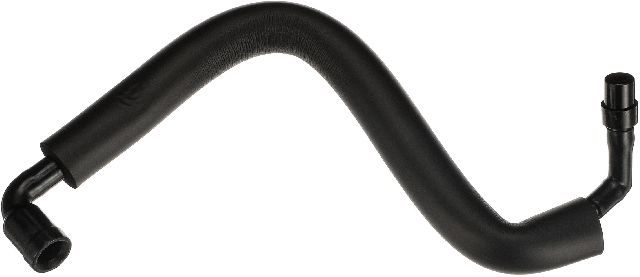
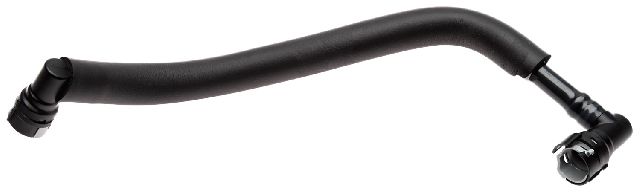
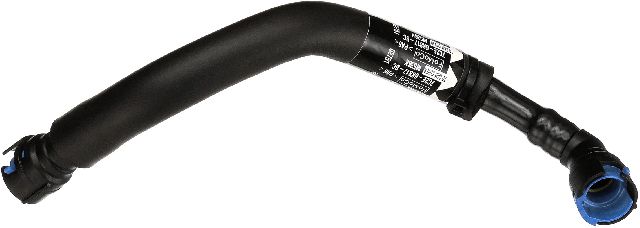
The hose connects the PCV valve, typically located on the passenger-side valve cover, to a port on the intake manifold. It is made of molded, oil-resistant rubber or plastic.
We Have This Part in Stock


The information in this article is provided for general reference and educational purposes only. Vehicle specifications, procedures, and part compatibility can vary by production date, trim level, and region. Always consult your vehicle's factory service manual and verify part numbers before purchasing or performing repairs. Safety-critical components such as airbags, seat belts, and braking systems should be installed by a qualified professional.
- Ford E-150: