

Ford E-150 HVAC Blower Motor Resistor Guide (2002-2014)
If your E-150's fan only works on high or not at all, the blower motor resistor is the likely culprit.
- The most common symptom of failure is the fan only working on the 'High' setting.
- The resistor is located behind the battery in the engine bay, requiring battery and tray removal for access.
- Always inspect the electrical connector for melting; it's best practice to replace the connector pigtail with the resistor.
- A bad blower motor can cause repeat resistor failures; consider replacing the motor if the old resistor is badly burnt.
Is Your Ford E-150 Blower Fan Acting Up?

If your van's fan speeds are gone or only the highest setting works, you're in the right place. This is a very common problem on the 2002-2014 Ford E-150, and the blower motor resistor is almost always the cause. This part can fail from normal use, corrosion, or from an aging blower motor drawing too much power. Fortunately, it's an affordable and straightforward part to replace.
Symptoms of a Failing Blower Motor Resistor

Watch for these clear signs that your resistor needs to be replaced:
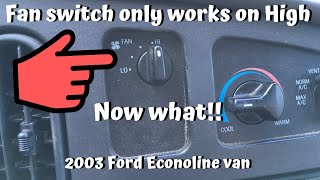
- Fan only works on the 'High' setting: This is the most common symptom. The high setting bypasses the resistor, so it works even when the resistor has failed. 🎬 Watch this video to see why the high setting still works.
- Some, but not all, fan speeds are lost: You might lose low and medium speeds first as the resistor coils burn out.
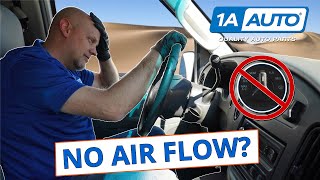
- No air blowing from the vents at any speed: While this could also be a failed blower motor, a completely dead resistor can also cause this. 🎬 See how to diagnose a blower motor that isn't blowing air.
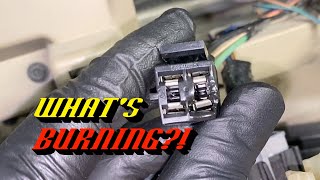
- Melted or burnt electrical connector: When the resistor fails, it can create a lot of heat, melting the plastic connector and burning the wires. It's very common to replace the resistor and its wiring pigtail together.
Check the Connector and Blower Motor!
A failing blower motor can draw too much electrical current, causing the new resistor to burn out quickly. If your old resistor or its connector looks burnt or melted, it's a strong sign that the blower motor is struggling. To avoid replacing the resistor again in a few weeks, inspect the blower motor and consider replacing both parts at the same time, especially on higher-mileage vans.
Choosing a New Aftermarket Resistor

For the E-150, the OEM Motorcraft part is good, but quality aftermarket brands offer excellent value and often come with a new wiring harness, which is a common failure point. Aftermarket parts are widely available and meet or exceed original specifications.
Tier 1: Reputable Aftermarket Brands
- Standard Motor Products (SMP): Known for making durable electronic components that hold up well against heat and voltage.
- Dorman: A very popular choice that often includes an improved wiring harness (pigtail) with their kits. They engineer their parts to match OEM specs.
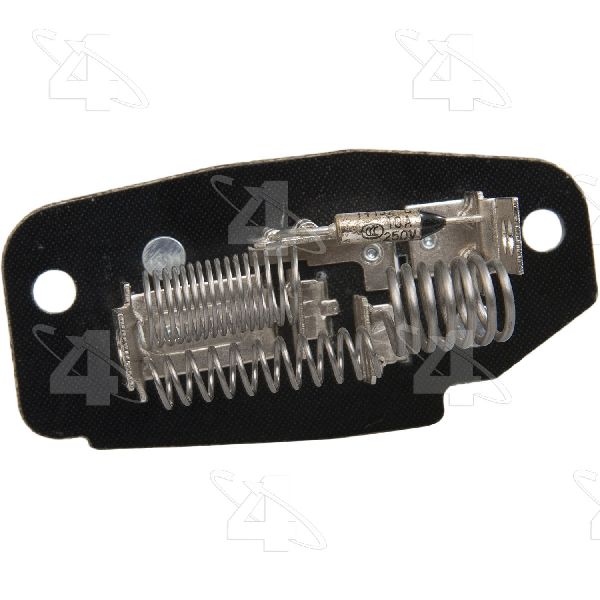
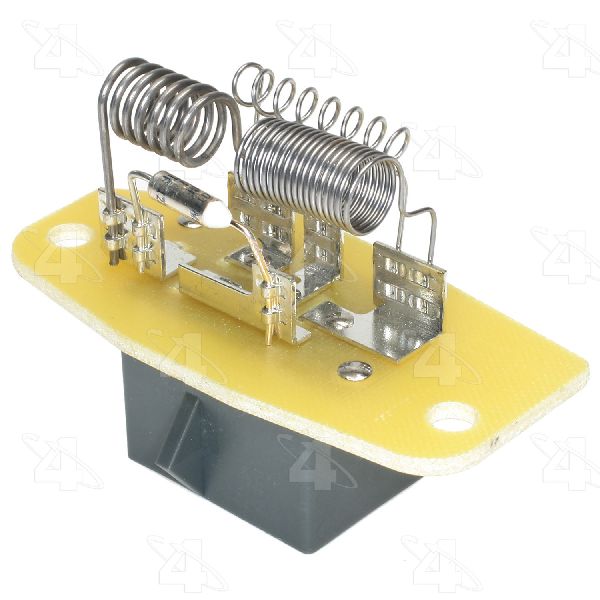
- Four Seasons: A well-known brand in the HVAC parts world, offering quality, vehicle-specific replacements.
Tier 2: Value-Oriented Brands
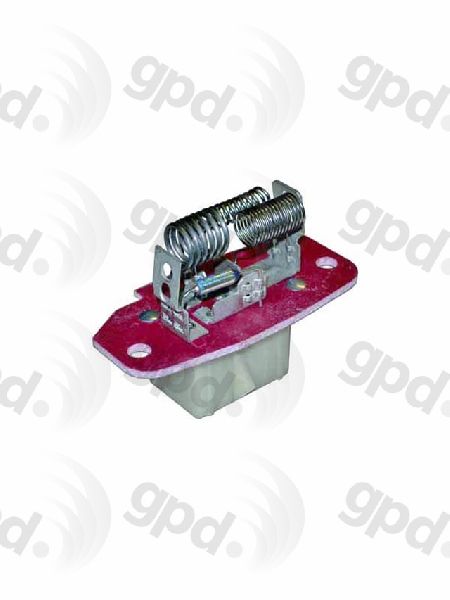
- Global Parts (gpd), URO Parts, Holstein, True Tech: These brands provide a cost-effective solution for getting your fan speeds back. They are a good option for budget-conscious repairs.
Pro Tip: Many aftermarket kits come with a new wiring pigtail. Use it. The original connector is a frequent failure point, and replacing it along with the resistor is the best way to ensure a lasting repair. When splicing the new wires, make sure you cut back to clean, un-burnt copper wire for a good connection.
Cost of Replacing the Blower Motor Resistor
| Part/Service | Estimated Cost |
|---|---|
| New Aftermarket Resistor | $15 - $56 |
| New OEM (Motorcraft) Resistor | $28 - $45 |
| Shop Labor | $75 - $150 |
| DIY Total | $15 - $56 |
| Shop Total | $90 - $206 |
Frequently Asked Questions (FAQ)

Where is the blower motor resistor located on a 2002-2014 E-150?
The blower motor resistor is located in the engine compartment on the passenger side, right behind the battery. It is mounted to the HVAC housing, next to the blower motor itself.
Can I replace the E-150 blower motor resistor myself?
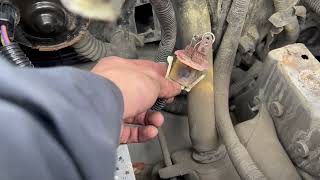
Yes, this is a very DIY-friendly job. You will need to disconnect and remove the battery, then unbolt the battery tray to get access. The resistor is held in by two 8mm screws. 🎬 Follow this easy step-by-step walkthrough to replace your resistor. The most challenging part is often just reaching the components. If the connector is melted, you will also need to cut and splice the new wiring pigtail.
Do I need to replace the wiring connector too?
It is highly recommended. The connector often overheats and melts when the resistor fails. Even if it looks okay, the terminals can be corroded or loose, causing the new resistor to fail prematurely. Most aftermarket kits include a new connector for this reason.
Are there any recalls for the blower motor resistor on the E-150?
There are no specific recalls for the blower motor *resistor* on the 2002-2014 E-150. However, there have been recalls on other Ford models and different model years for the blower *motor* itself overheating. A failing motor is a primary cause of repeat resistor failure.
Helpful Videos
Technical Specifications
OEM Part Numbers: 4C2Z19A706AA F6UZ-19A706-AA
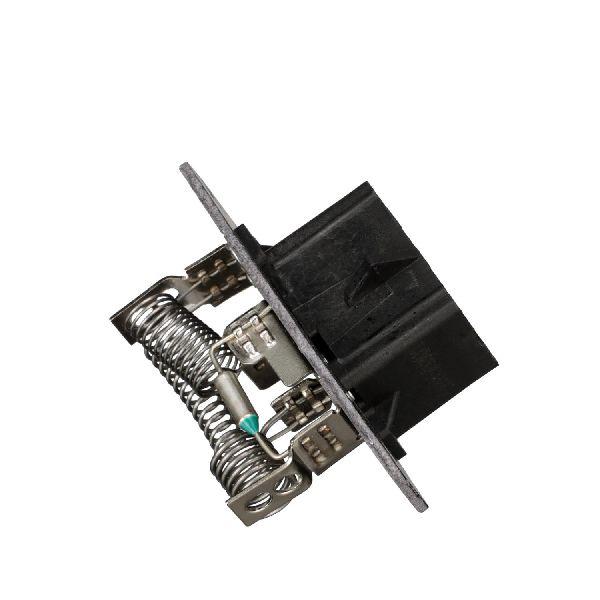
Controls blower motor fan speeds. Located in the engine bay, passenger side, behind the battery. Typically held by two 8mm screws.
We Have This Part in Stock


The information in this article is provided for general reference and educational purposes only. Vehicle specifications, procedures, and part compatibility can vary by production date, trim level, and region. Always consult your vehicle's factory service manual and verify part numbers before purchasing or performing repairs. Safety-critical components such as airbags, seat belts, and braking systems should be installed by a qualified professional.
- Ford E-150: