

Ford E-150 (2002-2014) Steering Tie Rod End Replacement Guide
Address your E-150's steering wander and premature tire wear by understanding and choosing the right tie rod ends.
- Wandering steering and uneven tire wear are the most common signs of a failing tie rod end on an E-150.
- Replacing tie rod ends requires a professional wheel alignment afterward to prevent tire damage and handling issues.
- For heavy-duty use, consider premium brands like Moog or Delphi that offer greasable joints for longer service life.
- Always replace tie rod ends in pairs (left and right) to ensure balanced and predictable steering.
Is Your E-150 Wandering on the Road?
A common complaint from Ford E-150 owners is a feeling of "wandering" or looseness in the steering, especially at highway speeds. While several components can contribute to this, worn steering tie rod ends are a frequent cause. Because the E-150 is a heavy vehicle, often used for work or conversions, its steering components are under constant stress. A worn tie rod end develops excessive play in its ball-and-socket joint, which translates to a delay between when you turn the steering wheel and when the wheels respond. This can make the van feel unstable and require constant small corrections to stay in your lane.
Choosing the Right Aftermarket Tie Rod End
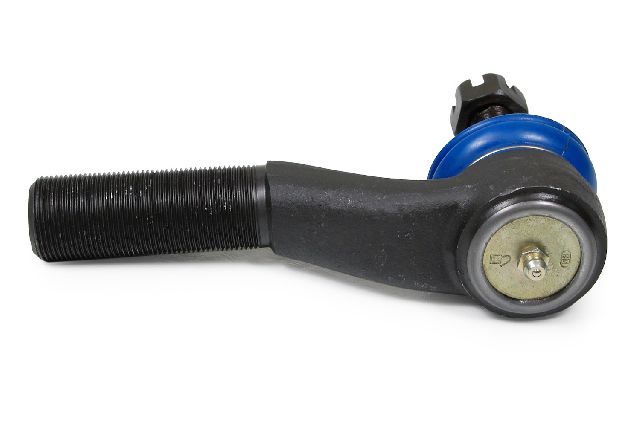
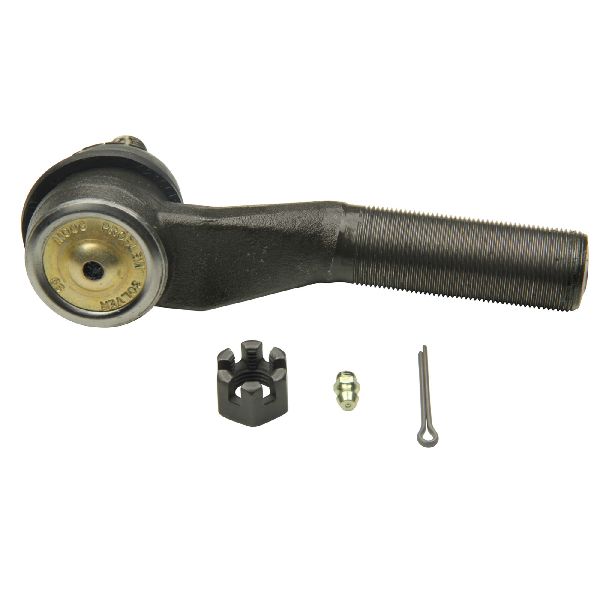
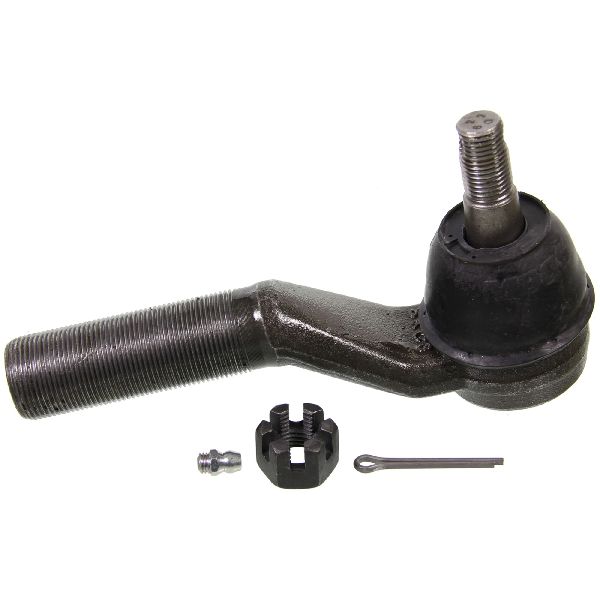
When replacing tie rod ends, you have a choice between OEM (Original Equipment Manufacturer) parts from Ford/Motorcraft and a variety of aftermarket brands. For a vehicle like the 2002-2014 E-150, many aftermarket options offer excellent quality, sometimes with improvements over the original design, such as greasable fittings for longer life. Here’s a breakdown of the available brands to help you choose.
| Tier | Brands | Quality & Cost Assessment |
|---|---|---|
| Premium | Moog, Delphi | Moog is widely regarded as a top-tier aftermarket brand for steering parts on these vans. They often feature enhancements like greasable fittings and stronger materials. Delphi is a respected OEM supplier for many manufacturers and is known for high-quality parts that meet or exceed original specifications. These brands are an excellent choice for work vans or anyone wanting maximum durability. |
| Standard | Mevotech, Dorman | Mevotech offers several product lines; their higher-end lines (like TTX) are considered very good, while their standard parts are reliable replacements. Dorman provides dependable, standard-quality replacement parts that are a cost-effective alternative to premium brands. These are solid choices for daily driving and general use. |
| Economy | QuickSteer, Suspensia | QuickSteer is a budget-friendly brand owned by the same parent company as Moog, offering decent quality for the price, though with a shorter warranty. Suspensia is another economy option that provides functional replacements at a low cost, suitable for those on a tight budget. These parts will restore function but may not have the same longevity as premium options. |
An Alignment is NOT Optional
Anytime you replace a tie rod end, you are changing the geometry of the steering system. You must get a professional front-end alignment immediately after the repair. Skipping this step will cause rapid and uneven tire wear and can make the vehicle handle unpredictably.
Frequently Asked Questions (FAQ)
Do I need to replace inner and outer tie rods at the same time?
Not necessarily, but it's highly recommended. The E-150 steering linkage includes inner and outer tie rod ends. If an outer end has failed due to age and mileage, the inner one is likely not far behind. Replacing them together saves on labor costs and ensures the entire system is tight, plus you'll only need one alignment.
Should I replace them in pairs (left and right)?
Yes, absolutely. Steering and suspension components should always be replaced in pairs. The parts on both sides of the vehicle have experienced the same amount of wear and tear. Replacing only one side can lead to unbalanced handling.
What's the difference between greasable and sealed tie rods?
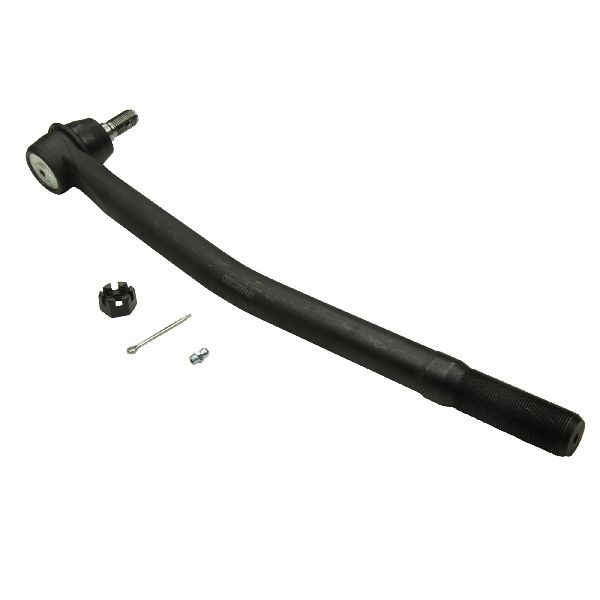
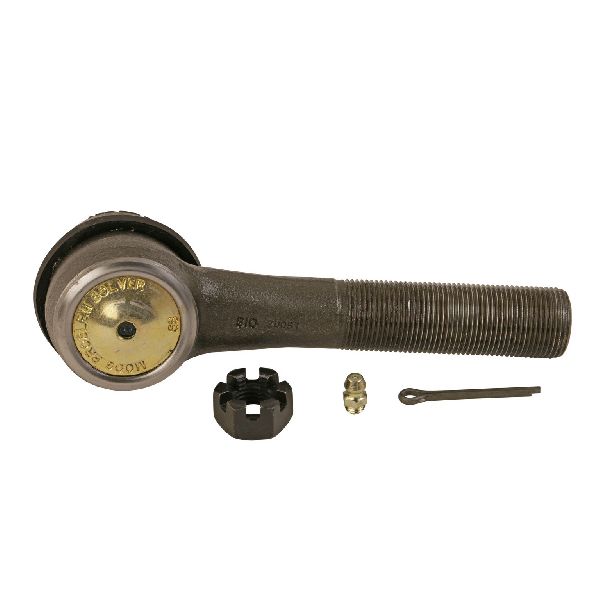
Sealed tie rods are lubricated for life at the factory. Greasable tie rods have a small fitting (a zerk) that allows you to add fresh grease periodically. For a heavy-duty vehicle like the E-150, greasable parts are often preferred as they allow you to flush out contaminants and extend the life of the joint.
Are there any recalls for my E-150's tie rods?
There have been recalls on some Ford vehicles for tie rod issues, but a specific campaign for the 2002-2014 E-150 was not found in searches of the NHTSA database. However, individual complaints of tie rod failure have been filed for E-Series vans. It's always wise to check for any open recalls on your specific vehicle using your VIN.
Technical Specifications
OEM Part Numbers: 8C2Z3A131C 8C2Z3A131D 6C2Z3A131C
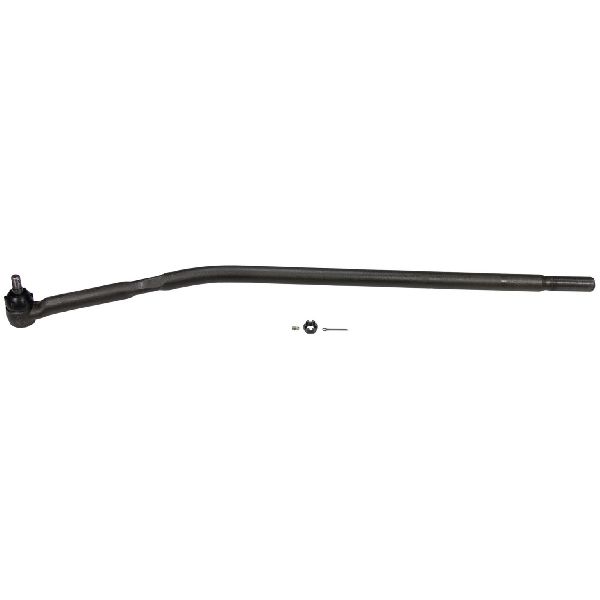
The Ford E-150 from 2002-2014 uses a steering linkage system with inner and outer tie rod ends, connected by an adjusting sleeve. The outer tie rod end connects to the steering knuckle, and the inner tie rod end connects to the drag link or center link.
We Have This Part in Stock

The information in this article is provided for general reference and educational purposes only. Vehicle specifications, procedures, and part compatibility can vary by production date, trim level, and region. Always consult your vehicle's factory service manual and verify part numbers before purchasing or performing repairs. Safety-critical components such as airbags, seat belts, and braking systems should be installed by a qualified professional.
- Ford E-150: