

Ford E-150 Throttle Position Sensor (TPS) Guide: 2002-2014
A guide to solving hesitation, stalling, and poor shifting issues in your Ford E-150 van by addressing the throttle position sensor.
- Verify if your E-150 has a separate TPS or an integrated Electronic Throttle Body before purchasing parts.
- Symptoms of a bad TPS include hesitation, stalling, rough shifting, and a Check Engine Light.
- For reliability, choose a high-quality aftermarket brand like Delphi, NGK, or Standard Ignition over budget options.
- Replacement can be a DIY job, but access is difficult and may require removing the throttle body.
Is Your E-150 Hesitating or Stalling? It Could Be the TPS.
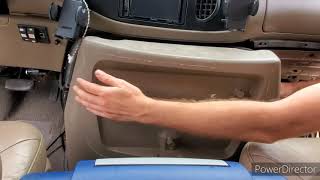
If you're experiencing erratic engine behavior with your 2002-2014 Ford E-150, a failing throttle position sensor (TPS) is a common suspect. Symptoms can range from annoying to serious, including poor acceleration, rough idling, stalling at stops, and even problems with the transmission 🎬 Watch: Diagnosing a Ford van that shakes or stalls at idle. shifting correctly. Because this sensor is a key input for your van's computer, when it starts sending bad information, drivability suffers.
Important: Check Your Throttle Body Type
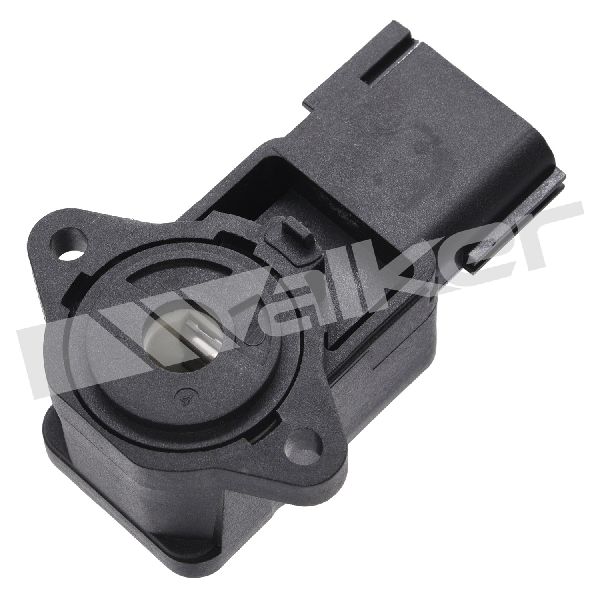
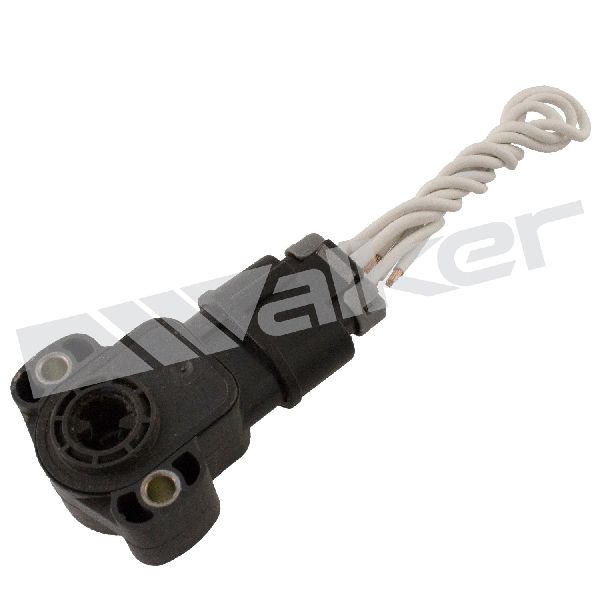
Most E-150 vans in this 2002-2014 year range use a traditional throttle cable and have a separate, replaceable TPS mounted on the throttle body. However, some later models, particularly around 2010 with the 4.6L engine, may have a full Electronic Throttle Body (ETB) where the sensor is integrated and not sold separately. Before buying a part, pop your engine cover (doghouse) and visually inspect your throttle body. If you see a black plastic sensor with two screws attached to the side of the metal throttle body, you have a replaceable TPS. If the assembly is one single unit with a motor attached, you may need to replace the entire throttle body assembly.
Common Failure Symptoms
- Check Engine Light: The most obvious sign, often with codes like P0121, P0122, or P0123.
- Hesitation or Stumbling: The van may hesitate or stumble when you press the gas pedal.
- Poor Acceleration: A noticeable lack of power or a sluggish response when you try to accelerate.
- Rough or High Idle: The engine may idle erratically, too high, or too low, and may even stall when you come to a stop.
- Transmission Shifting Issues: The automatic transmission may shift harshly, at the wrong times, or fail to downshift when you accelerate.
- Sudden Surges: The van might unexpectedly surge or lurch forward without you pressing the pedal further.
Choosing the Right Aftermarket Throttle Position Sensor
When it comes to electronic parts for your Ford, not all brands are created equal. While saving money is important, a cheap, low-quality sensor can fail quickly or not work correctly out of the box, causing more headaches.
- Premium Brands (Recommended): Brands like Delphi, NGK, and Standard Ignition (SMP) have a strong reputation for producing reliable sensors that meet or exceed original equipment (OE) specifications. Delphi is a known OE supplier for many manufacturers. Choosing one of these brands is a safer bet for long-term reliability.
- Standard/Value Brands: Brands like Dorman, Walker Products, and other store brands offer a more budget-friendly option. While they can be a good value, quality can sometimes be inconsistent with electronic sensors. If you're on a tight budget, they are an option, but be aware of the potential trade-off in longevity.
Cost to Replace the Ford E-150 TPS
The cost can vary depending on whether you do the job yourself or take it to a shop. The part itself is not expensive, but labor can add up due to the difficult access on E-Series vans.
| Item | Estimated Cost |
|---|---|
| New Aftermarket TPS Part | $34 - $112 |
| New OEM (Motorcraft) Part | $140 - $190 |
| Shop Labor Cost | $70 - $105 |
| Total Professional Replacement | $214 - $293 |
Frequently Asked Questions (FAQ)
Can I replace the TPS myself?
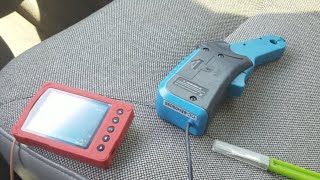
Yes, it is possible for a DIY mechanic. The sensor itself is only held on by two screws and an electrical connector. However, on the E-150, the sensor is in a very tight space. You will need to remove the interior engine cover or 'doghouse'. Even then, you may need to remove the entire throttle body to access the screws 🎬 Watch this step-by-step guide to replacing the TPS yourself. on the bottom of it, which makes the job more complex.
Do I need to reset the computer after replacing the TPS?
It is a good practice to disconnect the battery's negative terminal before starting the work. This will reset the computer's memory. After installing the new sensor and reconnecting the battery, the computer will go through a re-learning process as you drive.
Were there any recalls for the E-150 throttle position sensor?
No specific recalls were found for the throttle position sensor on the 2002-2014 Ford E-150. There was a Technical Service Bulletin (TSB 10-21-6) for some 2010 models with the 4.6L engine that exhibited idle issues, which called for replacing the entire electronic throttle body assembly.
🎬 See how to replace the full throttle body on 4.6L models.What's the difference between a TPS and an electronic throttle body (ETB)?
A TPS is a small sensor that reads the position of a throttle plate that is moved by a physical cable connected to your gas pedal. An ETB is a more modern, all-in-one unit where an electric motor moves the throttle plate based on electronic signals from the gas pedal (drive-by-wire). In an ETB, the position sensors are usually built-in and not serviced separately. Your E-150 likely has the separate, replaceable TPS.
Helpful Videos


Technical Specifications
OEM Part Numbers: F4SZ-9B989-AA DY-967
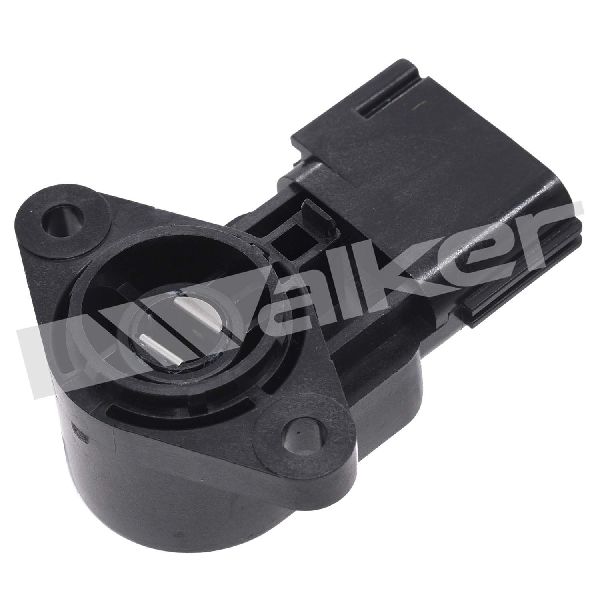
Typically a 3-pin or 4-pin sensor mounted to the side of the throttle body with two screws.
We Have This Part in Stock


The information in this article is provided for general reference and educational purposes only. Vehicle specifications, procedures, and part compatibility can vary by production date, trim level, and region. Always consult your vehicle's factory service manual and verify part numbers before purchasing or performing repairs. Safety-critical components such as airbags, seat belts, and braking systems should be installed by a qualified professional.
- Ford E-150: