

Ford E-150 Vehicle Speed Sensor Guide for 2002-2014 Models
Fix your E-150's erratic speedometer and harsh shifting by diagnosing and replacing the correct speed sensor.
- The primary VSS causing speedometer and shifting issues is on top of the rear differential, not the transmission.
- Symptoms almost always appear together: erratic speedometer, hard shifts, and an ABS light.
- This is a very DIY-friendly repair that takes less than an hour with basic hand tools.
- A quality aftermarket brand like Delphi or NGK offers a good balance of price and reliability for this part.
Is Your E-150 Speedometer and Transmission Acting Up?
If you're experiencing a sudden combination of a wild speedometer, hard slamming shifts, and an ABS light on the dash, a failed Vehicle Speed Sensor is the most likely cause. This is a very common issue on Ford E-Series vans. The sensor sits on the rear axle housing and is exposed to heat, dirt, and moisture, which causes it to fail over time. Before you worry about expensive transmission repairs, checking this simple sensor should be your first step.
Common Symptoms of a Bad E-150 Speed Sensor
When the rear differential speed sensor fails, you'll likely notice several of these issues happening at the same time:
- Erratic or Dead Speedometer: The needle might bounce around randomly, show the wrong speed, or not move at all.
- Harsh Transmission Shifting: The transmission may slam into gear, especially from first to second. This happens because the transmission controller doesn't know the vehicle's speed and can't time the shift correctly.
- ABS Light On: Since this sensor doubles as the rear ABS sensor, a failure will immediately trigger the ABS warning light.
- Cruise Control Inoperative: The cruise control system needs a steady speed signal to work, so it will be disabled.
- Check Engine Light: A faulty VSS can trigger the check engine light with code P0500.
Potential for Sudden Downshifting on 2014 Models
Be aware that Ford issued a recall for some 2014 F-150 trucks due to a problem where a lost signal from a speed sensor could cause the transmission to suddenly downshift into first gear at any speed. This creates a serious risk of losing control. While this recall was not for the E-150, it involves similar technology from the same model year, so exercise caution.
Choosing the Right Aftermarket Speed Sensor
For a part like this, you don't necessarily need to buy the expensive OEM Motorcraft part. A high-quality aftermarket sensor can provide reliable performance for a much lower price, and the job is easy enough to re-do if you get a bad part. However, not all aftermarket brands are created equal. Some very cheap sensors can even cause a messy, erratic signal right out of the box.
Here’s a breakdown of the available brands:
- Top Tier (OEM Quality): Brands like Delphi and NGK (also known as NTK for sensors) are often original equipment suppliers for many automakers and have a strong reputation for quality and reliability. They are an excellent choice for this repair.
- Reputable Aftermarket: Standard Ignition (SMP) and Walker Products are well-known aftermarket brands. Their quality can sometimes be inconsistent, but they are generally a solid step up from budget parts.
- Budget-Friendly: Brands like Dorman and Holstein offer a cost-effective solution. Dorman is known for making a huge variety of parts, but their sensor quality can be hit-or-miss. They can be a good option if the budget is tight and you understand you might be replacing the part again sooner than you would with a premium brand.
| Part Type | Part Cost | Shop Labor Cost | Total Estimated Cost |
|---|---|---|---|
| New OEM (Motorcraft) | $80 - $150 | $75 - $150 | $155 - $300 |
| New Aftermarket | $20 - $63 | $75 - $150 | $95 - $213 |
Cost estimates are based on national averages and may vary by location and supplier. Labor is estimated at 0.5-1.0 hours.
Frequently Asked Questions (FAQ)
Where is the speed sensor located on my 2002-2014 E-150?
The main sensor that causes speedometer and shifting problems is located on the top of the rear differential housing. You will see it held in by a single small bolt (usually 8mm or 10mm). Your van also has other speed sensors, including an Output Shaft Sensor (OSS) on the transmission and individual wheel speed sensors for the front ABS, but the rear differential sensor is the one to check first for these symptoms.
Can I replace the vehicle speed sensor myself?
Yes, this is a very easy job for a DIY mechanic. You'll need to safely get under the rear of the van, unplug the electrical connector, remove one bolt, and then pull the old sensor out. The hardest part can be wiggling the sensor free if it's rusted in place. Always clean the mounting hole before installing the new sensor to ensure a good reading.
I replaced the sensor, but my speedometer still doesn't work. What now?
If a new sensor doesn't fix the issue, check the wiring and connector leading to the sensor for any damage, corrosion, or loose pins. If the wiring is good, the next most likely problem is a failure inside the instrument cluster itself, sometimes called the PSOM (Programmable Speedometer/Odometer Module). On later models, a faulty transmission lead frame connector can also cause identical symptoms.
Is there a recall for the E-150 speed sensor?
No, there are no specific recalls for the vehicle speed sensor on the 2002-2014 E-150. However, there was a critical safety recall (NHTSA campaign 06V286000 and others) for a faulty cruise control deactivation switch that could leak brake fluid and cause a fire. It is vital to ensure this recall has been performed on your van.
Technical Specifications
OEM Part Numbers: F85Z9E731AB 9L3Z9E731A DY1123
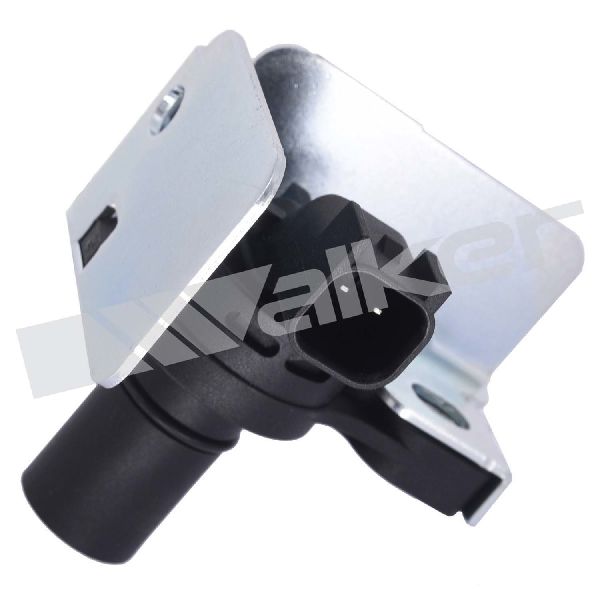
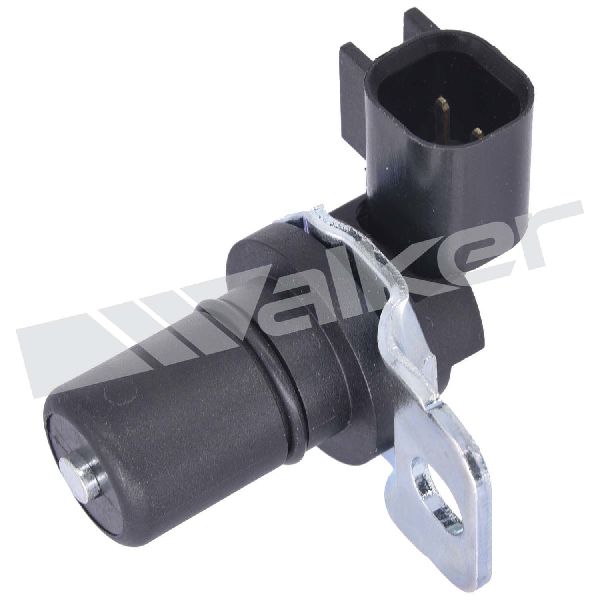
The critical sensor is a 2-pin magnetic pickup sensor located on the rear differential housing, held in by a single bolt.
We Have This Part in Stock


The information in this article is provided for general reference and educational purposes only. Vehicle specifications, procedures, and part compatibility can vary by production date, trim level, and region. Always consult your vehicle's factory service manual and verify part numbers before purchasing or performing repairs. Safety-critical components such as airbags, seat belts, and braking systems should be installed by a qualified professional.
- Ford E-150: