

GMC Yukon Starter Motor Guide: Understanding Failures and Choosing a Replacement (2002-2015)
Don't get stranded by a bad starter; here’s what every 2002-2015 GMC Yukon owner needs to know.
- A single click usually points to a bad starter, while rapid clicking often means a weak battery.
- Heat from the engine is a primary cause of failure; always transfer the original heat shield to the new starter.
- Before replacing the starter, always test the battery and check for clean, tight connections to avoid misdiagnosis.
- Replacement is a feasible DIY project for those comfortable working under the vehicle, typically taking 1-2 hours.
Is Your GMC Yukon Starter Failing?
A failing starter rarely dies without warning. For GMC Yukon models from 2002 to 2015, the symptoms are usually clear. Recognizing them early can save you from being stranded. The most common sign is a clicking sound when you turn the key, but other issues can point to a worn-out starter motor.
Common Failure Symptoms
- Single Loud Click, Then Nothing: You turn the key, hear one sharp click from the engine bay, but the engine doesn't crank. This often means the starter solenoid is engaging, but the motor itself is failing to spin.
- Rapid Clicking Noise: A fast clicking or chattering sound indicates the starter solenoid is trying to engage but doesn't have enough battery power to turn the engine over. While this is often a battery issue, it can also be caused by a faulty starter drawing too much power.
- Slow or Labored Cranking: If the engine turns over much slower than usual, it could be a sign that the starter motor is wearing out and struggling to do its job.
- No Sound or Action: Sometimes, a failed starter does nothing at all. You turn the key, and there is no click and no crank. This could point to a dead starter, but it's important to also check the battery and ignition system.
- Grinding Noise: A grinding sound during or after the engine starts can indicate a problem with the starter gear not meshing correctly with the flywheel or failing to retract properly.
A Note on Heat Damage
The V8 engines in the GMC Yukon generate significant heat, especially around the exhaust manifolds where the starter is located. This condition, known as "heat soak," is a common cause of premature starter failure. The original starter includes a heat shield for protection. When replacing your starter, it is critical to transfer this heat shield to the new unit to ensure its longevity. If the shield is damaged or missing, you should purchase a new one.
Choosing the Right Aftermarket Starter
When shopping for a new aftermarket starter, you'll find several brands and price points. Not all are created equal. Here’s a breakdown of what to expect.
Tier 1: OEM-Equivalent Brands
- ACDelco: As GM's official parts brand, ACDelco is the closest you can get to the original factory part. They offer different lines, such as GM Genuine (the exact original part) and Gold (Professional), which are high-quality aftermarket options designed to meet or exceed OEM specifications. For a reliable, direct-fit replacement, ACDelco is a trusted choice.
- MPA (Motorcar Parts of America): MPA is a major manufacturer that produces new and remanufactured starters under brands like Quality-Built. They are known for rigorous testing that simulates real-world conditions to ensure reliability and performance that meets OE standards.
Tier 2: Performance & Value Brands
- Powermaster & Proform: These brands often specialize in high-torque and performance-oriented starters. They can be a good option if you have a modified engine or want more cranking power. However, customer reviews for brands like Proform can be mixed, with some users experiencing early failures or fitment issues. They can offer good value but may carry a higher risk than OEM-equivalent brands.
Pro Tip: Check Your Battery First!
Many starting problems are caused by a weak or dead battery, not the starter. Before you buy a new starter, make sure your battery is fully charged and in good health. Most auto parts stores will test your battery for free. Also, check for loose or corroded battery terminals, as a bad connection can mimic the symptoms of a failing starter.
Typical Replacement Costs
The cost of replacing a starter can vary based on the part you choose and whether you do the work yourself. The provided inventory price for a new aftermarket starter ranges from $100.78 to $339.92.
| Item | Estimated Cost |
|---|---|
| New Aftermarket Starter | $100 - $340 |
| New OEM Starter | $260 - $440 |
| Shop Labor | $110 - $160 |
| Total Professional Replacement | $370 - $600 |
Frequently Asked Questions (FAQ)
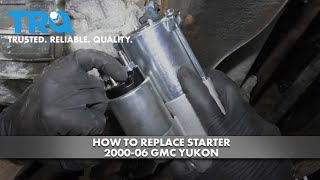
Is replacing the starter on a 2002-2015 GMC Yukon a DIY job? 🎬 See this step-by-step starter replacement for 2000-2006 models.
For a moderately experienced DIYer, yes. The job requires working underneath the vehicle, disconnecting the battery, removing electrical connections, and unbolting the starter, which is held by two main bolts. 🎬 Watch this helpful DIY guide for 2007-2014 GMC truck starters. Access can be tight, but it's a straightforward process. Always disconnect the negative battery terminal first to prevent electrical shorts.
Are there any recalls or TSBs for the GMC Yukon starter?
Our research found no widespread recalls from the NHTSA specifically for starter motor failure on the 2002-2015 GMC Yukon. Starting system issues are often addressed through Technical Service Bulletins (TSBs) that guide technicians on diagnosing related components like wiring or control modules, but no major recall campaigns for the starter itself were identified.
What's the difference between a new and a remanufactured starter?
A new starter is made with 100% new components. A remanufactured starter has been disassembled, cleaned, and had its worn or failed components replaced with new ones before being reassembled and tested. High-quality remanufactured units from reputable brands like ACDelco or MPA can be a reliable and cost-effective alternative to new.
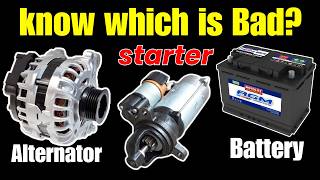
My truck just clicks. Is it the starter, the relay, or the battery? 🎬 Watch: How to tell if your battery, alternator, or starter is failing.
It could be any of them. A rapid clicking often points to a weak battery. A single, solid click suggests the battery is okay and the starter relay is working, but the starter motor itself has failed. The starter relay is a small electrical switch, usually in the under-hood fuse box, that sends power to the starter. It's an inexpensive part to test and replace as a first step if you suspect an electrical issue.
Helpful Videos
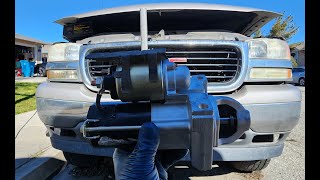
Technical Specifications
OEM Part Numbers: 12611100 12641488 88877117 89017845
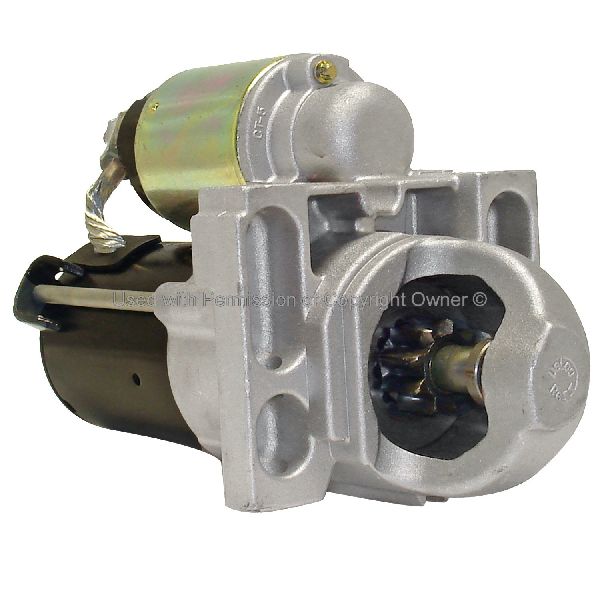
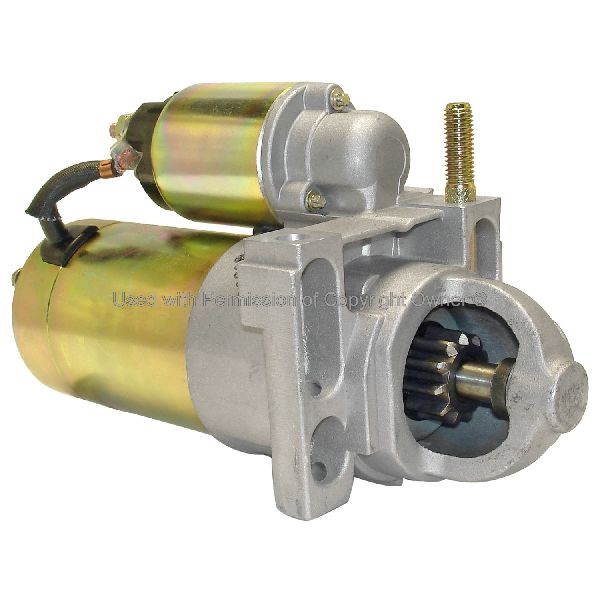
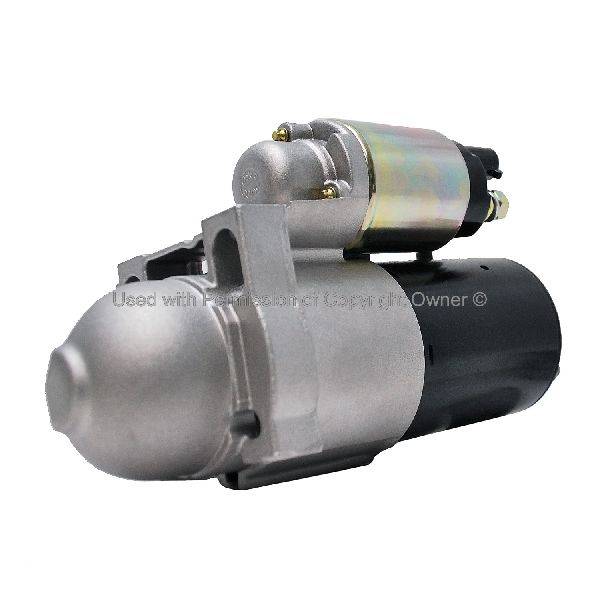
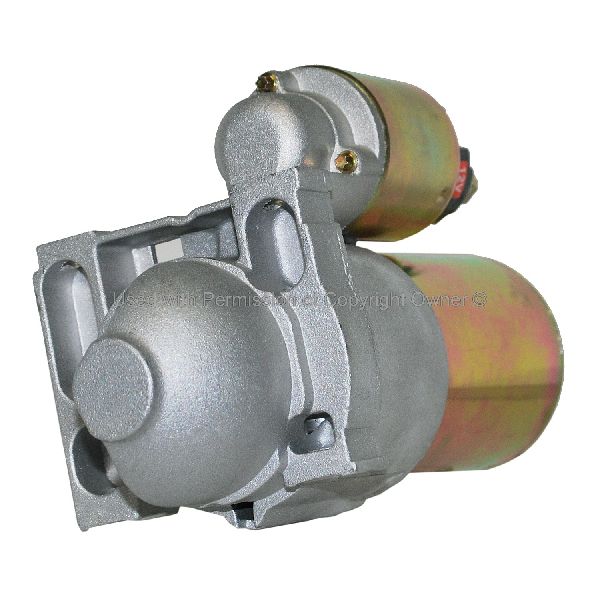
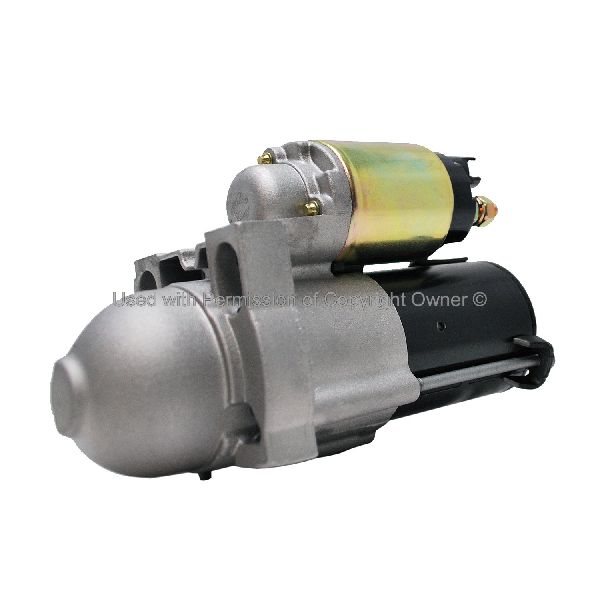
The starter for the 2002-2015 GMC Yukon is typically a 12-volt, Permanent Magnet Gear Reduction (PMGR) type. It is mounted on the passenger side of the engine block. The number of teeth on the drive gear can vary (commonly 9 or 11 teeth) depending on the specific engine (4.8L, 5.3L, 6.0L, 6.2L) and year, so it is crucial to match the new part to your vehicle's specifications. The mounting is typically done with two long bolts.
We Have This Part in Stock


The information in this article is provided for general reference and educational purposes only. Vehicle specifications, procedures, and part compatibility can vary by production date, trim level, and region. Always consult your vehicle's factory service manual and verify part numbers before purchasing or performing repairs. Safety-critical components such as airbags, seat belts, and braking systems should be installed by a qualified professional.
- GMC Yukon:
- 🎬 Helpful Videos
- 🛍️ Shop This Part
- Is Your GMC Yukon Starter Failing?
- Common Failure Symptoms
- A Note on Heat Damage
- Choosing the Right Aftermarket Starter
- Tier 1: OEM-Equivalent Brands
- Tier 2: Performance & Value Brands
- Pro Tip: Check Your Battery First!
- Typical Replacement Costs
- Frequently Asked Questions (FAQ)
- 🎟️ Get 5% Off