

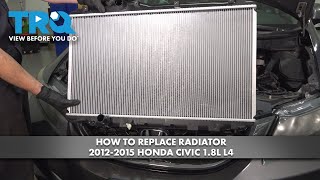
A Guide to Replacing the Radiator in Your 2002-2016 Honda Civic
If your Civic is overheating or leaving puddles, your radiator is the likely cause.
- The most common failure on 2002-2016 Civic radiators is a crack in the plastic end tanks.
- For a durable, long-term fix, consider upgrading to an all-aluminum radiator from a brand like CSF, Koyorad, or Mishimoto.
- If you own an 8th Gen (2006-2009) Civic, be aware that a cracked engine block can cause similar overheating symptoms.
- Always replace the radiator cap and consider replacing the thermostat and hoses at the same time for a complete repair.
Is Your Civic's Radiator Leaking? Here's the Likely Reason

The most common reason a radiator fails on a 2002-2016 Honda Civic is a crack. These cracks almost always happen where the plastic sides (called end tanks) are attached to the metal center (called the core). Over many years of heating up and cooling down, the plastic becomes brittle and the seal fails, causing coolant to leak out. You might see a puddle of green, blue, or pink fluid under the front of your car, or you might smell something sweet after driving.
Attention 8th Gen (2006-2009) Civic Owners
While a leaking radiator is common, these specific model years have a known issue where the engine block itself can crack, causing a coolant leak. The symptoms are nearly identical to a radiator failure (overheating, coolant loss). Honda issued a Technical Service Bulletin (TSB 10-048) and extended the warranty, but it has since expired. If you have one of these Civics, it is critical to correctly identify the source of the leak before replacing parts.
Choosing the Right Aftermarket Radiator

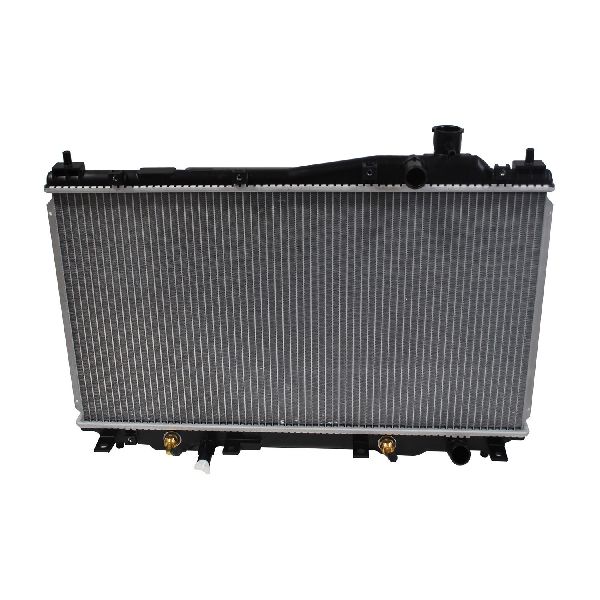
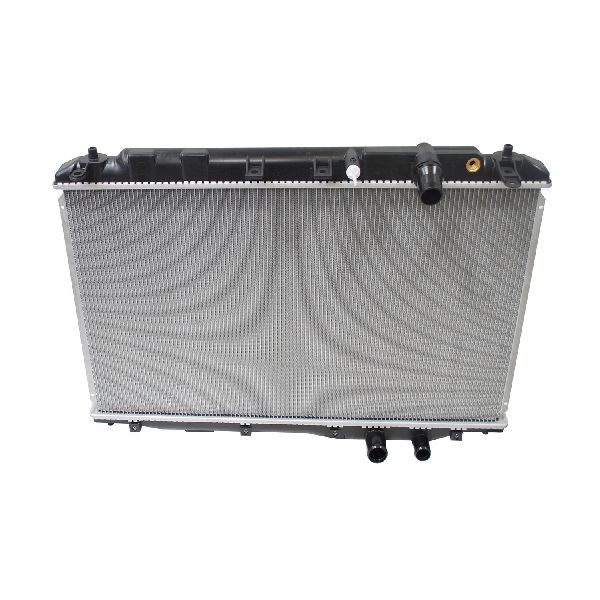
When you shop for a new radiator, you have a few levels of quality to choose from. The original factory radiator and most basic aftermarket replacements use the same plastic-and-aluminum design that can fail over time.
Good: Standard Replacement
These are the most affordable options and work just like the original part. Brands like Spectra, APDI, and Global Parts fall into this category. They use plastic end tanks, so while they are a perfect direct fit, they may have the same weakness as the original part over the long term. They are a good choice for a budget-friendly repair on a daily driver.
Better: OEM-Quality Replacement
Brands like Denso and Mahle are often original equipment manufacturers (OEMs), meaning they supply the parts to Honda directly. Choosing one of these brands gives you confidence that the part is built to the same quality and specifications as the one your car came with from the factory. They typically still use plastic end tanks but are considered a very reliable choice.
Best: All-Aluminum Performance Upgrade
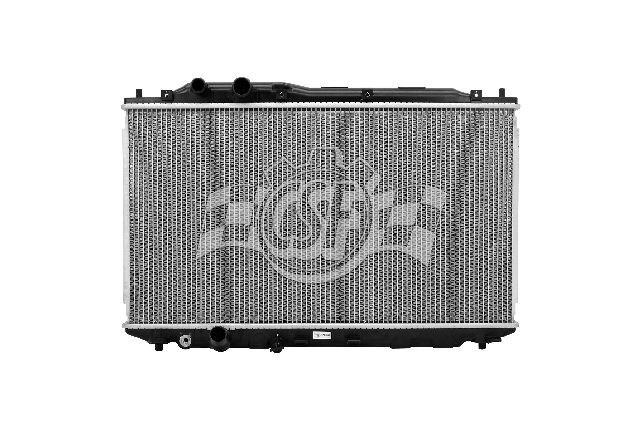
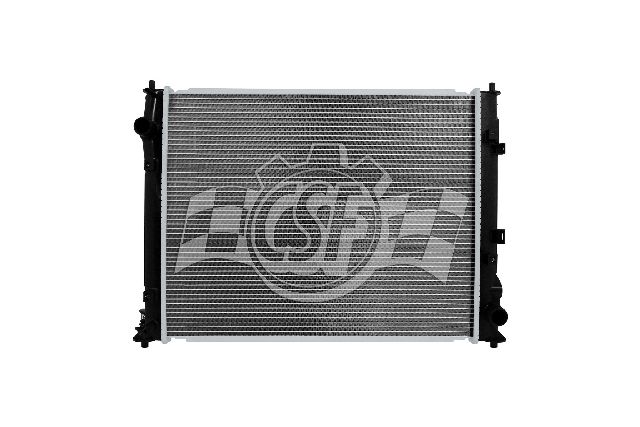
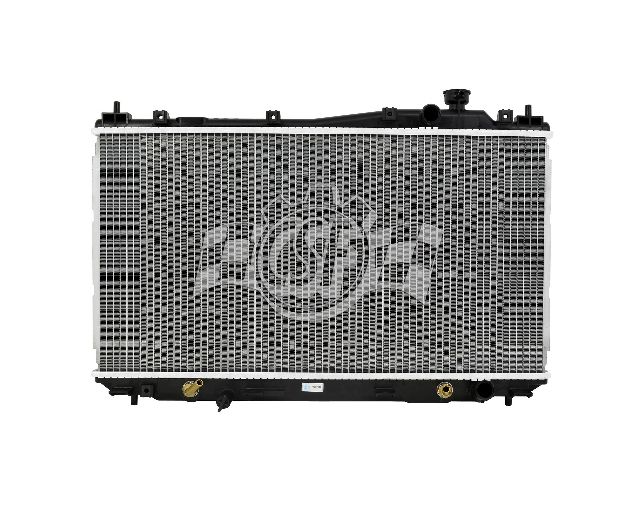
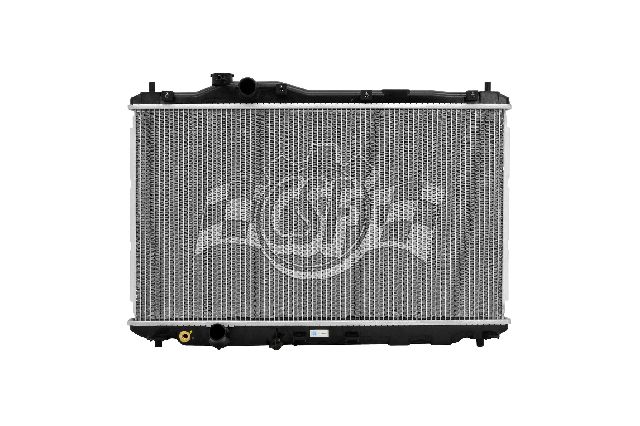
For a permanent solution to the plastic tank problem, an all-aluminum radiator is the best choice. Brands like CSF Radiator, Koyorad, and Mishimoto build their radiators entirely from aluminum, welding the end tanks to the core. This design is much stronger and more durable. While they cost more, they eliminate the most common failure point and often provide improved cooling, making them ideal for modified cars or for owners who want maximum reliability.
While You're In There...
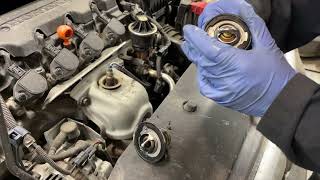
A radiator replacement is the perfect time to also replace your radiator cap, thermostat, and coolant hoses. These parts are inexpensive and wear out over time. A faulty radiator cap or a stuck thermostat can cause your new radiator to fail prematurely.
How Much Does a Honda Civic Radiator Replacement Cost?

The cost depends on whether you do the job yourself or take it to a shop. A radiator replacement is a manageable DIY project for someone with the right tools and a few hours.
| Part/Service | Estimated Cost |
|---|---|
| New Aftermarket Radiator (Standard) | $95 - $180 |
| New Aftermarket Radiator (All-Aluminum) | $250 - $450 |
| New OEM Radiator (Part Only) | $645 - $650 |
| Shop Labor | $300 - $440 |
| Total Shop Replacement (with OEM part) | $943 - $1,085 |
Frequently Asked Questions

Is an all-aluminum radiator worth the extra cost?
For many Civic owners, yes. It solves the most common failure point (cracked plastic tanks) permanently. If you plan to keep your car for a long time or have performance modifications, it is a highly recommended upgrade.
Should I replace my thermostat and hoses at the same time?
Yes, it is highly recommended. These parts are relatively cheap, and you already have the cooling system drained and accessible. A failing thermostat can cause overheating and damage your new radiator.
What kind of coolant should I use in my Honda Civic?
Always use a blue-colored Asian vehicle coolant that is phosphate-free and silicate-free. Using the wrong type of coolant can cause corrosion and damage to your cooling system. Honda Type 2 coolant is the official recommendation.
My temperature gauge goes all the way to 'H'. What should I do?
Pull over immediately and shut off the engine. Driving while the engine is severely overheating can cause catastrophic damage, like a warped cylinder head or a blown head gasket, which are extremely expensive repairs.
What is the P0128 error code?
The P0128 code means the engine is not reaching its proper operating temperature quickly enough. This is almost always caused by a thermostat that is stuck open. If you see this code, you should plan to replace your thermostat.
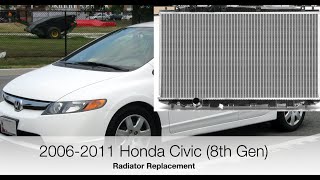
Helpful Videos


Technical Specifications
The primary weak point is the crimped seal between the plastic end tanks and the aluminum core. Upgraded aftermarket parts feature a fully welded, all-aluminum construction to eliminate this failure point.
We Have This Part in Stock

The information in this article is provided for general reference and educational purposes only. Vehicle specifications, procedures, and part compatibility can vary by production date, trim level, and region. Always consult your vehicle's factory service manual and verify part numbers before purchasing or performing repairs. Safety-critical components such as airbags, seat belts, and braking systems should be installed by a qualified professional.
- Honda Civic:
- 🎬 Helpful Videos
- 🛍️ Shop This Part
- Is Your Civic's Radiator Leaking? Here's the Likely Reason
- Attention 8th Gen (2006-2009) Civic Owners
- Choosing the Right Aftermarket Radiator
- Good: Standard Replacement
- Better: OEM-Quality Replacement
- Best: All-Aluminum Performance Upgrade
- While You're In There...
- How Much Does a Honda Civic Radiator Replacement Cost?
- Frequently Asked Questions
- 🎟️ Get 5% Off