

A Guide to Your 2002-2020 Honda Civic Starter Motor
Everything a Civic owner needs to know when their car won't start.
- A clicking sound, slow cranking, or no crank are all common symptoms of a failing starter in a Honda Civic.
- Always test your battery first, as a weak battery can mimic the symptoms of a bad starter.
- A Technical Service Bulletin (14-003) exists for 2012 Civics with intermittent no-crank issues, requiring a starter replacement.
- High-quality aftermarket brands like ACDelco or new Denso starters can be a reliable and more affordable alternative to OEM parts.
Is Your Honda Civic Starter Failing?

A failing starter can leave you stranded. For Honda Civics made between 2002 and 2020, starter problems can appear, especially as the car ages and racks up miles. Typically, a starter motor lasts between 100,000 and 150,000 miles, but this can vary. It's important to recognize the warning signs before it fails completely.
Common Symptoms of a Bad Starter
- Clicking Sound: A single, loud click or a series of rapid clicks when you try to start the engine is a classic sign of a failing starter solenoid or motor. This often means the starter is receiving power but isn't strong enough to turn the engine over.
- Engine Won't Crank: You turn the key, the dashboard lights come on, but nothing happens. The engine doesn't turn over at all. This can point directly to a dead starter, assuming the battery is in good condition.
- Slow Cranking: If the engine turns over very slowly, as if the battery is weak, it could be the starter motor struggling to find enough power to do its job.
- Grinding Noises: A grinding sound during or after starting can indicate a problem with the starter gear's engagement with the flywheel. This issue should be addressed immediately to prevent damage to the flywheel.
- Intermittent Starting Issues: The car fails to start on the first try but starts up on the second or third attempt. This is a common early sign of a failing starter that will eventually get worse.
Don't Mistake a Bad Battery for a Bad Starter
Many starter symptoms can also be caused by a weak or dead battery, or even corroded battery terminals. Before replacing your starter, it's crucial to have your battery tested. If the dashboard lights dim significantly or flicker when you try to start the car, the battery is the more likely culprit.
Known Issues for 2002-2020 Honda Civics

While generally reliable, some Civic models have specific starter-related issues. Honda issued a Technical Service Bulletin (TSB 14-003) for 2012 Honda Civics (all trims except Si and Hybrid). The bulletin addresses an issue where the starter motor intermittently whines and doesn't crank the engine because the starter pinion doesn't extend far enough to engage the flywheel. The corrective action is to replace the starter motor assembly. Owners of 10th generation Civics (2016-2021) have also reported starter issues becoming a common problem.
Choosing a New Aftermarket Starter: OEM vs. Aftermarket

When your Civic's starter fails, you have a choice between an Original Equipment Manufacturer (OEM) part and an aftermarket part. OEM starters are what your car was built with, but they come at a higher price. High-quality aftermarket starters can offer similar performance and reliability for a lower cost.
For Honda Civics, brands like Denso (an OEM supplier for Honda) are highly regarded. When considering other aftermarket brands, it's about balancing cost and quality.
- Premium Aftermarket (e.g., ACDelco, MPA): These brands often provide new (not remanufactured) parts built to meet or exceed OEM specifications. ACDelco is a well-established brand known for quality parts across many vehicle makes. MPA (Motor Parts of America) is another major supplier of starters and alternators. Choosing a new part from a reputable aftermarket brand like these can be a reliable, cost-effective alternative to a new OEM part.
- Remanufactured Parts: These are used OEM or aftermarket starters that have been rebuilt with new internal components to restore function. Quality can vary, but a good remanufactured starter from a trusted brand can be a budget-friendly option.
Pro Tip: When buying an aftermarket starter, check the warranty. A longer warranty period often indicates the manufacturer's confidence in the part's quality and longevity.
Cost of Replacing a Honda Civic Starter

The price of a starter motor replacement depends on the part you choose and labor costs in your area. Below is a general cost breakdown for a Honda Civic.
| Part/Service | Estimated Cost |
|---|---|
| New Aftermarket Starter | $68 - $518 |
| New OEM Starter | $279 - $359+ |
| Shop Labor | $132 - $300 |
| Total Professional Replacement | $400 - $1000+ |
Frequently Asked Questions
Can I drive my Civic with a bad starter?
It is not recommended. While the car will run fine once started, a failing starter is unreliable. You risk being stranded the next time you try to start the engine. If you hear grinding noises, you could also cause expensive damage to the flywheel.
How difficult is it to replace a Civic starter myself?
For a DIY mechanic with the right tools, it's a manageable job. However, the starter's location can make it difficult to access, especially on newer models where it might be under the intake manifold. The job typically involves disconnecting the battery, raising the vehicle, and working from underneath. If you're not comfortable with this, professional installation is recommended.
My car just clicks. Is it definitely the starter?
Not always. A single click often points to the starter solenoid, but multiple rapid clicks usually indicate a weak or dead battery. Always test the battery and check the terminal connections first before assuming the starter is the problem.
What is a starter solenoid?
The solenoid is a component, often attached to the starter motor itself, that acts as a powerful switch. When you turn the key, it directs a large electrical current from the battery to the starter motor and pushes the starter gear forward to engage the engine's flywheel. A faulty solenoid is a common reason for starter failure.
Helpful Videos

Technical Specifications
OEM Part Numbers: 31200-R1A-A11 31200-RNA-A01 31200-PNE-G01 31200-5AG-Z01 31200-64A-A01 31200-5AA-A01
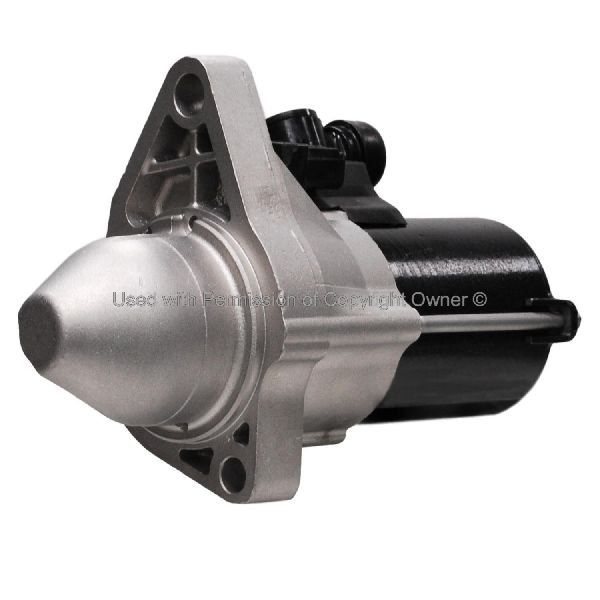
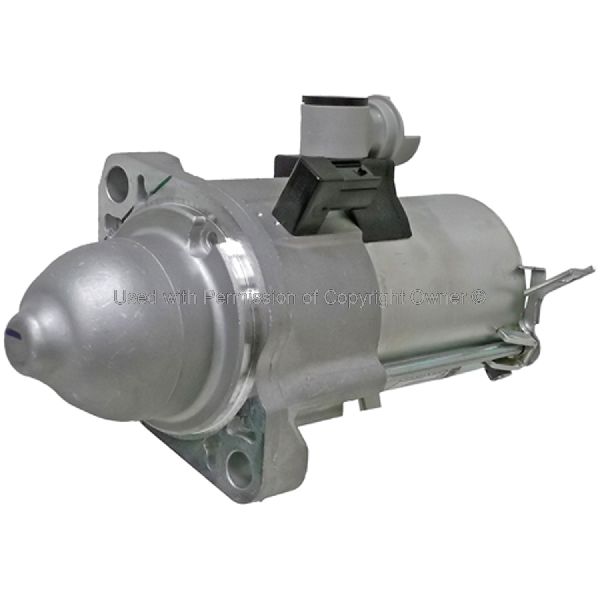
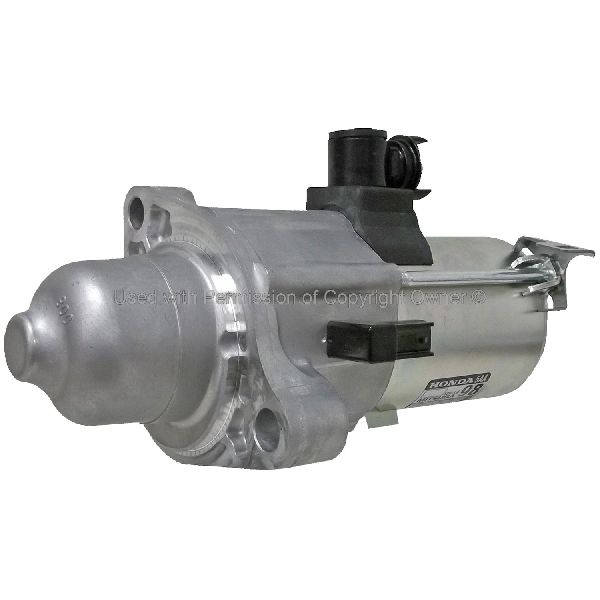
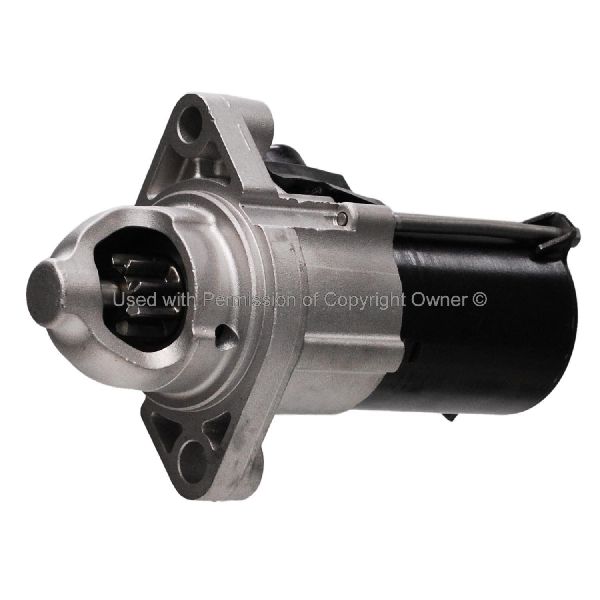
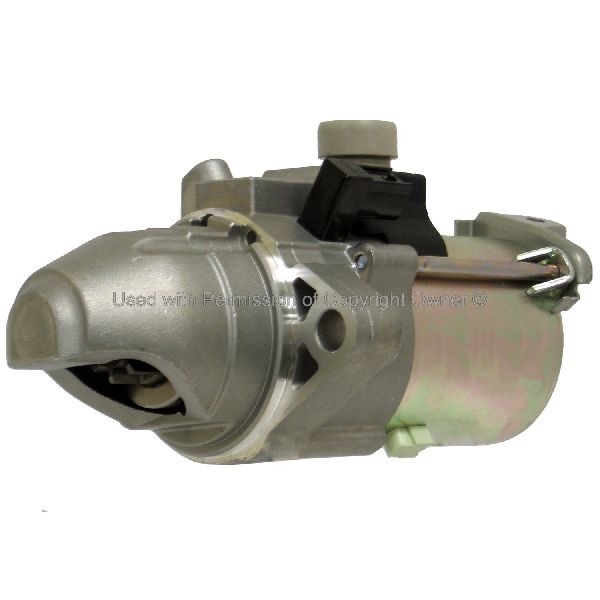
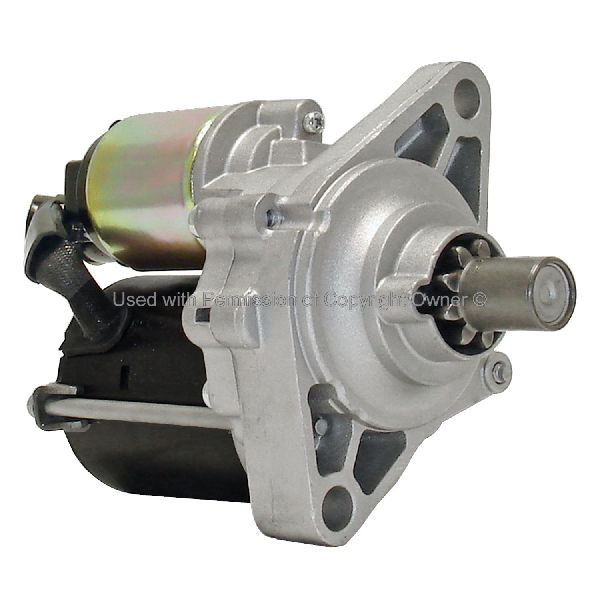
The starter is a 12-volt, high-torque electric motor. Specifics vary by engine type (e.g., 1.5L Turbo, 1.8L, 2.0L) and transmission. The key component is the solenoid, which engages the pinion gear with the flywheel.
We Have This Part in Stock

The information in this article is provided for general reference and educational purposes only. Vehicle specifications, procedures, and part compatibility can vary by production date, trim level, and region. Always consult your vehicle's factory service manual and verify part numbers before purchasing or performing repairs. Safety-critical components such as airbags, seat belts, and braking systems should be installed by a qualified professional.
- Honda Civic:
- 🎬 Helpful Videos
- 🛍️ Shop This Part
- Is Your Honda Civic Starter Failing?
- Common Symptoms of a Bad Starter
- Don't Mistake a Bad Battery for a Bad Starter
- Known Issues for 2002-2020 Honda Civics
- Choosing a New Aftermarket Starter: OEM vs. Aftermarket
- Cost of Replacing a Honda Civic Starter
- Frequently Asked Questions
- 🎟️ Get 5% Off