

Toyota 4Runner TPMS Sensor Service Kit Guide (2004-2020)
Fixing a slow tire leak on your 4Runner is often simpler and cheaper than you think.
- This part is a service kit for your existing sensor; it fixes air leaks at the valve stem.
- It is highly recommended to replace service kits on all wheels whenever you buy new tires.
- Replacement requires a tire machine, making it a job for a tire shop, not a typical DIY project.
- Quality aftermarket brands like Denso, Schrader, Continental, and Standard Ignition are all excellent choices for this part.
Understanding the TPMS Service Kit
Many 4Runner owners mistake a slow leak at the valve stem for a bad TPMS sensor. Often, the electronic sensor is fine, but the rubber seal has failed. A TPMS service kit is a maintenance part designed to fix this exact problem. The rubber grommet can dry out, crack, or get damaged by corrosion over time, especially in areas with road salt. This allows air to slowly escape from the tire.
Pro Tip: Replace With New Tires
The best practice is to replace the TPMS service kits on all four wheels whenever you get new tires. The cost is minimal, and it prevents future leaks. Since the tire is already off the rim, the labor is essentially free.
Symptoms of a Failing TPMS Service Kit
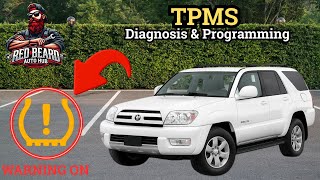
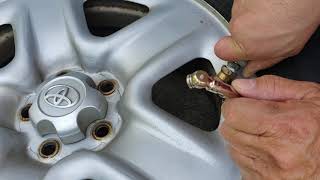
The most common symptom is a slow, persistent air leak from one of your tires. You might find yourself adding air to the same tire every few days or weeks. Your TPMS warning light will likely come on, but it's indicating low pressure, not a faulty sensor. To confirm the leak is from the valve stem, you can spray soapy water on the base of the stem and watch for bubbles. 🎬 Watch: How to properly check a TPMS sensor valve stem If you see bubbles, the seal is bad and the service kit needs to be replaced.
Choosing the Right Aftermarket Service Kit
For a simple but crucial part like a service kit, high-quality aftermarket brands are a reliable and cost-effective choice. The 4th and 5th generation 4Runner (2004-2020) primarily uses a clamp-in style aluminum sensor, so you need a kit designed for that type.
- Tier 1 (OEM Quality): Denso and Schrader. Denso is a major OEM supplier for Toyota, so their parts are a direct equivalent to what the factory installed. Schrader is a global leader and pioneer in TPMS technology, and their quality is top-tier.
- Tier 2 (Excellent Aftermarket): Continental and Standard Ignition (SMP). Continental is another large OEM supplier with a strong reputation. Standard Ignition produces dependable aftermarket parts that meet or exceed OEM specifications.
All four brands offer reliable service kits. Given the low price of the part, choosing any of these trusted names will result in a dependable repair.
Common Ordering Mistake
Ensure you are buying a service kit and not the entire TPMS sensor. A service kit costs under $10, while a full sensor can cost $60 or more. Also, confirm the kit is for the clamp-in aluminum style sensor used on most 4Runners in this year range.
Installation and Labor Costs
Replacing the service kit is not a typical DIY job for most owners. It requires a tire machine to break the bead of the tire and push it away from the rim to access the sensor's retaining nut. A tire shop will perform this service, which involves dismounting the tire, replacing the kit components, remounting, and balancing the tire. 🎬 Watch: How a shop replaces a leaking TPMS valve seal Expect shop labor to be the most significant part of the total cost.
| New Aftermarket Part | $2.69 - $9.12 |
| Shop Labor (per wheel) | $25 - $50 |
Frequently Asked Questions
Do I need to replace the whole sensor or just the service kit?
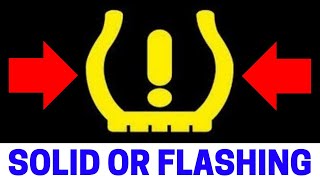
If your TPMS light is flashing, it usually means a sensor has failed (often a dead battery). 🎬 See the difference between a solid or flashing TPMS light If the light is solid and you have a slow leak from the valve stem, you likely only need a service kit to fix the seal.
Will a new service kit fix my TPMS warning light?
A new service kit will fix the air leak. Once the tire is properly inflated, the solid TPMS light will turn off. The kit itself does not communicate with the vehicle's computer.
Do I need to reprogram my TPMS after installing a service kit?
No. Since you are only servicing the existing sensor and not replacing the electronic component, no reprogramming is necessary.
When did the 4Runner get TPMS?
TPMS was first available as an option on 2004 4Runner models and became standard equipment for the 2007 model year. This guide applies to all 4Runners from 2004-2020 equipped with TPMS.
Helpful Videos




Technical Specifications
OEM Part Numbers: 04423-33060 04423-35050
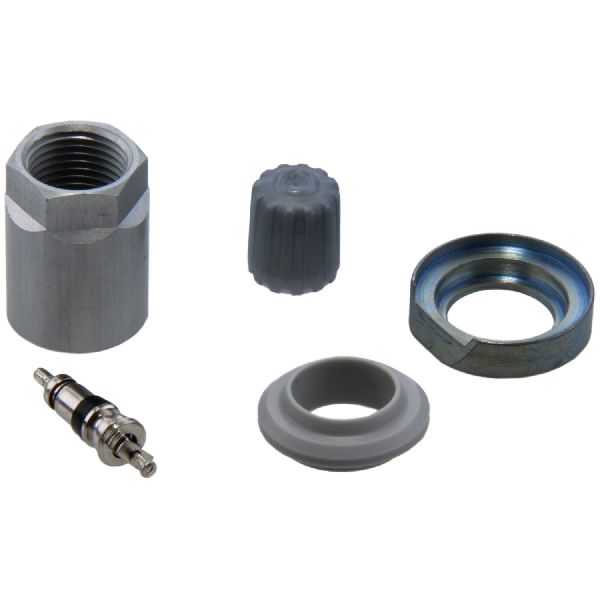
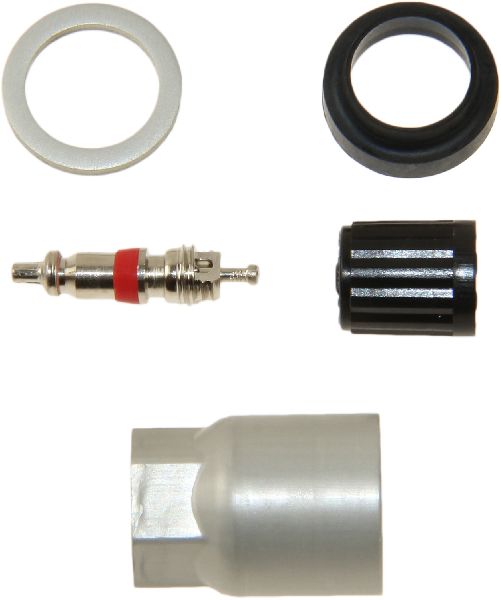
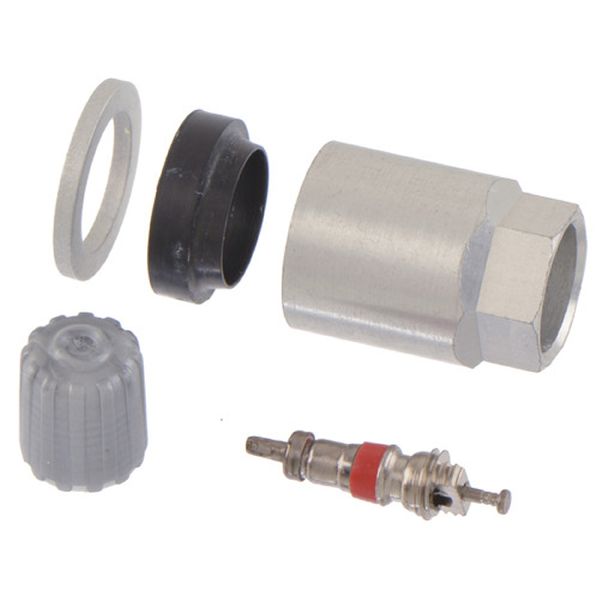
Contains one grommet/seal, retaining nut, valve core, and cap for a clamp-in style aluminum TPMS sensor.
We Have This Part in Stock


The information in this article is provided for general reference and educational purposes only. Vehicle specifications, procedures, and part compatibility can vary by production date, trim level, and region. Always consult your vehicle's factory service manual and verify part numbers before purchasing or performing repairs. Safety-critical components such as airbags, seat belts, and braking systems should be installed by a qualified professional.
- Toyota 4Runner: