

Toyota 4Runner Ignition Knock Sensor: A Guide for 2002-2024 Models
Understanding why this critical sensor fails on your 4Runner and how to choose the right replacement part.
- The knock sensor is a high-labor repair on all 2002-2024 4Runners; the part is buried under the intake manifold.
- Due to the high labor cost, using a cheap aftermarket sensor is a major risk that could lead to doing the job twice.
- Always replace both sensors and the short wire harness (pigtail) at the same time to prevent repeat failures.
- Choose a top-tier aftermarket brand like NGK/NTK or stick with OEM (Denso) to ensure reliability.
Is Your 4Runner's Knock Sensor Failing?
A bad knock sensor on a Toyota 4Runner is a serious issue, mainly because of where it's located. On the V6 and V8 engines used from 2002 to 2024, the two knock sensors are buried deep in the engine valley, underneath the entire intake manifold. This makes replacement a very labor-intensive and expensive job. Because of the high labor cost, choosing the right replacement part the first time is critical.
High-Labor Repair Warning
Replacing the knock sensors on a 4Runner requires removing the upper and lower intake manifolds. This can take a professional mechanic 8-10 hours. Many owners who try to save money on a cheap aftermarket sensor end up with another failure, forcing them to pay for the expensive labor all over again.
Symptoms of a Bad Knock Sensor
When a knock sensor fails, the 4Runner's ECU will activate a 'safe mode' to protect the engine. You will likely experience:
- Check Engine Light: This is the most common sign. The codes will be P0325 for Bank 1 and/or P0330 for Bank 2.
- Reduced Engine Power: The vehicle will feel sluggish and slow to accelerate because the ECU has retarded the ignition timing.
- Poor Fuel Economy: With the engine running in a less efficient 'safe mode', your gas mileage will drop.
- Audible Pinging Noise: In rare cases where the sensor circuit fails completely, you might hear a metallic pinging or knocking sound during acceleration. This is the detonation that the sensor is supposed to prevent, and it can cause severe engine damage.
Choosing the Right Aftermarket Knock Sensor
For most repairs, aftermarket parts offer a great balance of quality and value. However, for a part this difficult to access, quality should be your only priority. The consensus among Toyota 4Runner owners is to be extremely careful when choosing a non-dealer part.
Always Replace the Harness
The small wire harness that connects the two knock sensors to the main engine harness is a common failure point. It becomes very brittle from heat and often cracks or breaks during the repair. It is strongly recommended to replace this harness (Part #82219-34010 or similar) whenever you replace the sensors.
Aftermarket Brand Tiers for Toyota 4Runner
Not all aftermarket brands are created equal. Here is a general quality ranking based on forum discussions and mechanic feedback for this specific part:
- Tier 1 (OEM Quality): These brands are often the original equipment manufacturer for Toyota or have a reputation for equivalent quality. For a high-labor job like this, sticking to this tier is highly recommended.
- NGK / NTK: Widely regarded as a top-quality alternative that is on par with OEM.
- Delphi: A major OEM supplier, generally considered a reliable choice, though some mixed reviews exist.
- Tier 2 (Reputable Aftermarket): These brands can be a good value for less critical repairs, but carry more risk for a knock sensor replacement.
- Standard Ignition (SMP): A long-standing brand, but quality can be inconsistent as they sometimes re-box parts from various sources.
- Beck Arnley: This brand sources parts from multiple suppliers, including OEM manufacturers. You might get an OEM Denso part in the box, or you might get a lower-quality part. It's a gamble.
- Tier 3 (Economy Brands): Brands like Walker, Holstein, Global Parts, and True Tech fall into this category. While they offer the lowest price, they have a higher reported failure rate. Using these for a 4Runner knock sensor is not recommended due to the high cost of repeat labor.
Cost of Replacing a 4Runner Knock Sensor
| Part / Service | Estimated Cost |
|---|---|
| Shop Labor | $1700 - $2500+ |
| New OEM Sensors (Set of 2) | $280 - $450 |
| New Aftermarket Sensors (Set of 2) | $96 - $335 |
| Total Professional Job | $1850 - $2800+ |
Frequently Asked Questions
Can I just replace one knock sensor?
Since the labor to access the sensors is the biggest part of the cost, it is highly recommended to replace both sensors and the connecting wire harness at the same time. If one has failed due to age and heat, the other is likely not far behind.
Are there any recalls for the 4Runner knock sensor?
No, there are no active recalls or Technical Service Bulletins (TSBs) from Toyota or the NHTSA specifically for knock sensor failure on the 2002-2024 4Runner.
What is the most common mistake when ordering?
The most common mistake is buying the cheapest available sensor to save money, only to have it fail shortly after installation. This forces you to pay the very high labor cost a second time. Another mistake is not ordering the short wire harness that connects the two sensors, as this part is a frequent cause of the issue and often breaks upon removal.
Is this a DIY job?
This is an advanced, time-consuming repair. It requires extensive disassembly of the engine's fuel and air intake systems. It is not recommended for beginners. If you are an experienced DIY mechanic, set aside a full day and make sure you have all necessary gaskets and the replacement wire harness before you begin.
Technical Specifications
OEM Part Numbers: 89615-12090 89615-12050 89615-32010 82219-34010
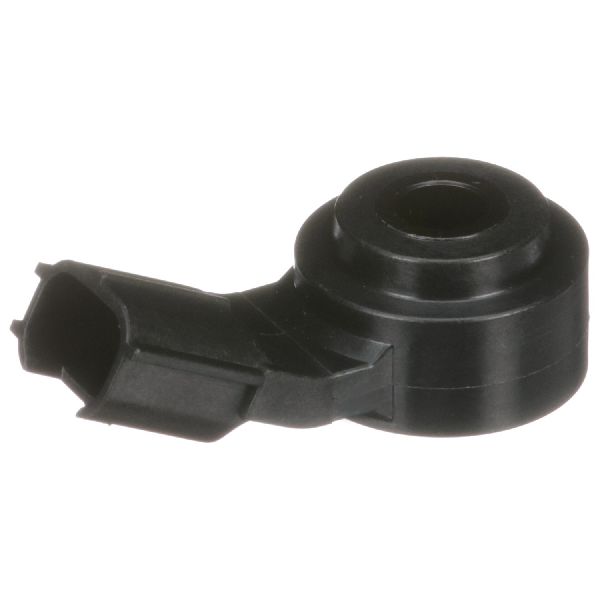
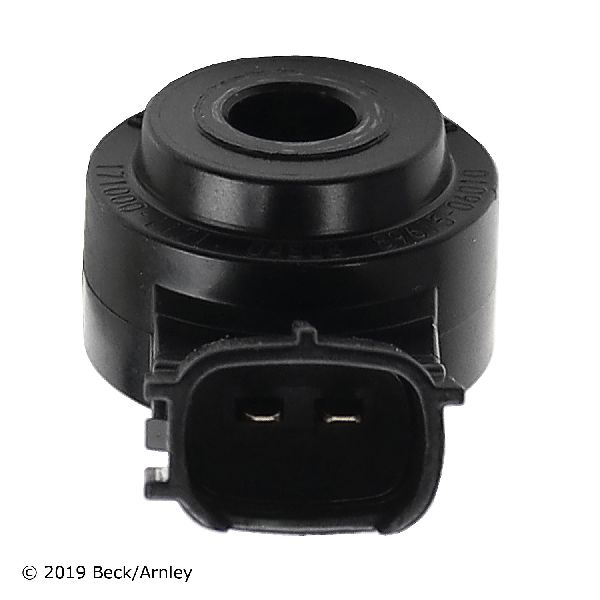
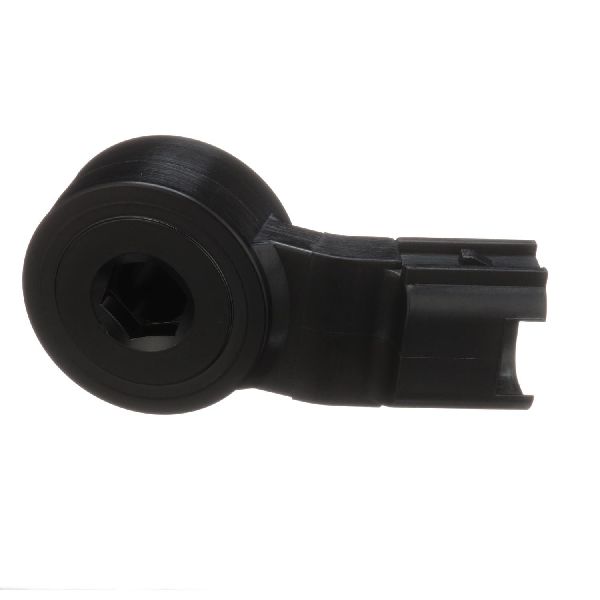
On V6 and V8 models, two sensors are used (Bank 1 and Bank 2). They are located under the lower intake manifold in the engine valley. The sensors are secured by a single bolt and connect to a short, Y-shaped wire harness.
We Have This Part in Stock


The information in this article is provided for general reference and educational purposes only. Vehicle specifications, procedures, and part compatibility can vary by production date, trim level, and region. Always consult your vehicle's factory service manual and verify part numbers before purchasing or performing repairs. Safety-critical components such as airbags, seat belts, and braking systems should be installed by a qualified professional.
- Toyota 4Runner:
- 🛍️ Shop This Part
- Is Your 4Runner's Knock Sensor Failing?
- High-Labor Repair Warning
- Symptoms of a Bad Knock Sensor
- Choosing the Right Aftermarket Knock Sensor
- Always Replace the Harness
- Aftermarket Brand Tiers for Toyota 4Runner
- Cost of Replacing a 4Runner Knock Sensor
- Frequently Asked Questions
- 🎟️ Get 5% Off