

2003 Hummer H2 Horn Replacement and Troubleshooting
A non-working horn on your H2 is a safety issue; here's how to diagnose and fix it.
- Always check the horn fuse and relay before assuming the horn itself has failed.
- An aftermarket horn is a cost-effective solution for restoring this important safety feature.
- Replacing the horn is a simple DIY task for most owners, located behind the front grille.
- A non-functional horn is a safety hazard and will cause your vehicle to fail a safety inspection.
Is Your 2003 Hummer H2 Horn Not Working?
A silent horn is more than just an inconvenience; it's a failed safety inspection waiting to happen and a risk on the road. For 2003 Hummer H2 owners, a horn that doesn't work, sounds weak, or only works sometimes is a common problem. The issue can stem from several simple components, from the horn itself to the electrical parts that power it.
First, Check the Simple Things
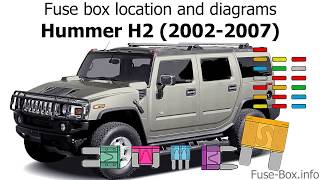
Before buying a new horn, it's wise to check the fuse and relay. 🎬 Watch: Find your fuse box and horn diagrams here. A blown fuse is a very common reason for a horn to stop working. You can find the location of the horn fuse and relay in your owner's manual. If the fuse is good, the problem could be a bad relay, corroded wiring, or a faulty horn contact in the steering wheel.
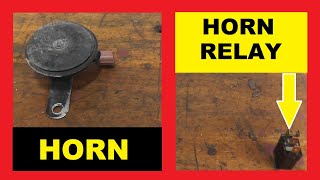
🎬 See how to test and replace a faulty horn relay.Choosing an Aftermarket Horn
If you've determined the horn itself is the problem, you have a choice between an original equipment (OEM) part from the dealer and an aftermarket part. For a vehicle like the 2003 H2, an aftermarket horn is a perfectly good, budget-friendly option.
- OEM Horn: This is the part your H2 was built with. It will have the exact same sound and fit, but it comes at a higher price.
- Replacement Brand Aftermarket Horn: These horns are designed to be a direct-fit replacement that meets legal safety requirements. While the tone might be slightly different from the original, it will function correctly and restore the safety of your vehicle at a lower cost. It's a practical choice for getting your H2 back in safe working order without the high expense of an OEM part.
Cost of Replacing a 2003 Hummer H2 Horn
| Part Type | Estimated Cost |
|---|---|
| New Aftermarket (Replacement) | $35.59 |
| New OEM | $51 - $86 |
| Shop Labor | $49 - $95 |
Pro Tip: DIY Replacement
Replacing the horn on an H2 is a straightforward job for most DIYers. The horn is located behind the front grille. The process typically involves removing the grille, unbolting the old horn, disconnecting the electrical connector, and installing the new one. This can save you the cost of shop labor.
Frequently Asked Questions
Where is the horn located on a 2003 Hummer H2?
The stock horn on the 2003 H2 is located behind the upper front grille assembly. You will need to remove the grille to access it, which is typically held on by a few bolts and plastic clips.
Why did my Hummer H2 horn stop working?
The most common causes are a blown fuse, a bad horn relay, a faulty horn switch in the steering wheel, or the horn unit itself failing due to age or moisture. Always check the fuse and relay first, as these are the easiest and cheapest parts to replace.
Will an aftermarket horn sound different?
It might. While aftermarket horns are designed to be loud and effective, the specific tone may differ slightly from the original GM part. Some H2s use a high and low note horn pair; ensure your replacement matches the one that failed if you want to maintain the original sound.
Are there any recalls for the 2003 Hummer H2 horn?
No, there are no specific recalls issued by the NHTSA for the horn on the 2003 Hummer H2. However, some owners report electrical issues related to the Body Control Module (BCM) that can affect various components, including the horn.
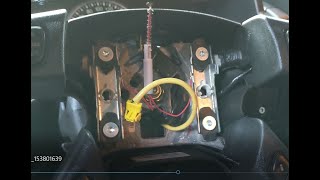
🎬 Watch this walkthrough of common Hummer horn electrical issues.Helpful Videos

Technical Specifications
OEM Part Numbers: 84594590 89046919 15248349
Voltage: 12V, Terminal Type: 2-Pin Connector

The information in this article is provided for general reference and educational purposes only. Vehicle specifications, procedures, and part compatibility can vary by production date, trim level, and region. Always consult your vehicle's factory service manual and verify part numbers before purchasing or performing repairs. Safety-critical components such as airbags, seat belts, and braking systems should be installed by a qualified professional.
- Hummer H2: