

A Guide to the 2003-2005 BMW Z4 Intake Manifold Runner (DISA) Valve
Address rattling noises and restore lost power by understanding this common M54 engine failure point.
- Listen for a distinct rattling sound from the driver's side of the engine, which is the primary sign of a failing DISA valve.
- Do not ignore a rattling DISA valve; a loose internal pin can fall into your engine and cause catastrophic failure.
- Replacement is a very simple DIY job that takes less than 30 minutes with a T40 Torx driver.
- Aftermarket units or rebuild kits offer a cost-effective solution to this common problem.
Symptoms of a Failing DISA Valve
The DISA valve on the M54 engine is a known weak point, typically lasting between 70,000 and 100,000 miles. When it fails, the symptoms can range from minor annoyances to warnings of critical engine danger.
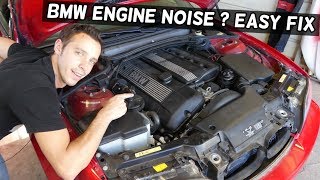
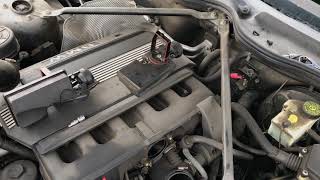
- Rattling Noise: The most common and recognizable symptom is a distinct rattling or clacking sound coming from the driver's side of the engine bay, especially at idle. This is often called the "DISA death rattle." It's caused by the internal plastic flap becoming loose and vibrating. You can often confirm the source by unplugging the valve's electrical connector; if the noise stops, the DISA is the culprit. 🎬 Watch: Hear what the DISA death rattle sounds like.
- Loss of Power: You may notice the engine feels sluggish, with a specific lack of torque at lower RPMs or weak power at higher RPMs, depending on what position the flap was in when it failed.
- Rough Idle and Hesitation: A failed valve can disrupt airflow, leading to a rough or uneven idle, engine hesitation, and poor fuel economy.
- Check Engine Light: A failing DISA valve often causes vacuum leaks from its worn-out O-ring seal. This allows unmetered air into the engine, triggering lean condition fault codes like P0171 and P0174.
CRITICAL WARNING: Engine Damage Risk
The most severe failure is when the small metal pin holding the plastic flap breaks or works its way loose. If this pin falls out, it can be sucked into the engine, leading to catastrophic damage to the valves, pistons, or cylinder walls. If you hear a rattle, inspect the valve immediately to prevent a very expensive engine repair.
Choosing the Right Aftermarket Part
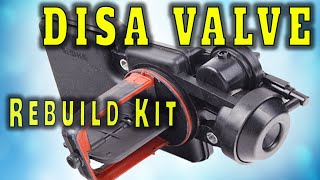
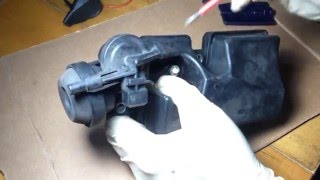
When your Z4's DISA valve fails, you have a few options. The OEM part offers the highest quality but also comes with the highest price tag. Aftermarket parts provide a more budget-friendly solution. Standard aftermarket brands, like the "Replacement" brand, offer significant cost savings. While some inexpensive aftermarket units have a reputation for shorter lifespans than the original, they can be a viable option, especially for a DIY repair where labor cost is not a factor. For this specific part, many owners find success with quality aftermarket suppliers like Rein, which are often considered a good balance between price and reliability. Another popular option is a rebuild kit, which allows you to replace the failure-prone plastic flap and pin with upgraded metal components, providing a durable, long-term fix for a fraction of the cost of a new unit.
🎬 See how to install a metal rebuild kit yourself.Pro Tip: Check for Other Leaks
While the DISA valve is a common culprit for lean codes, the M54 engine is also prone to vacuum leaks from other sources. Before replacing the DISA, it's wise to inspect the intake boots (especially the lower one), the CCV system hoses, and the valve cover gasket, as these can also cause similar symptoms. A smoke test is the most effective way to find hidden vacuum leaks.
Cost of Replacing a 2003-2005 BMW Z4 DISA Valve
| Part/Service | Estimated Cost |
|---|---|
| New OEM Part | $250 - $400 |
| New Aftermarket Part | $102 - $108 |
| Used OEM Part | $50 - $150 (Not Recommended) |
| Shop Labor | $75 - $150 |
Frequently Asked Questions
What exactly is a DISA valve?
DISA stands for "Differentiated Intake System." It's a device with a flap inside your intake manifold that adjusts the path air takes into the engine. This helps the engine produce good torque at low speeds and good horsepower at high speeds, giving you the best of both worlds.
Can I drive my Z4 with a bad DISA valve?
You can, but it is not recommended for long. While the car will run with a failed valve, you will experience poor performance and fuel economy. The main concern is the risk of the internal pin falling into the engine, which can cause complete engine failure. It is best to address the issue as soon as possible.
How difficult is it to replace the DISA valve myself?
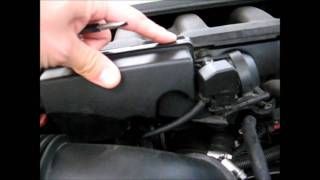
This is one of the easiest repairs you can do on an M54 engine. The DISA valve is located on the driver's side of the intake manifold and is held in by only two T40 Torx bolts. The entire job can typically be done in under 30 minutes with basic hand tools.
🎬 Watch this step-by-step guide to replacing your DISA valve.Is an aftermarket DISA valve a good choice for my Z4?
A quality aftermarket DISA valve can be a great value. Because the OEM part is known to fail, an aftermarket unit doesn't necessarily mean a downgrade in reliability, especially if it comes with a warranty. Given the low cost and ease of installation, an aftermarket part is a very popular choice for Z4 owners. Alternatively, using a metal rebuild kit on your existing unit can provide an even more durable solution than the original plastic design.
Helpful Videos
Technical Specifications
OEM Part Numbers: 11617544806 11617502275
Fits M54 2.5L engine. Located on the side of the intake manifold. Secured with two T40 Torx bolts.

The information in this article is provided for general reference and educational purposes only. Vehicle specifications, procedures, and part compatibility can vary by production date, trim level, and region. Always consult your vehicle's factory service manual and verify part numbers before purchasing or performing repairs. Safety-critical components such as airbags, seat belts, and braking systems should be installed by a qualified professional.
- BMW Z4: