

Ford E-150 Club Wagon Starter Motor Guide for 2003-2005 Models
Don't get stranded by a no-start condition—learn the signs of a failing starter in your Ford van.
- A clicking sound when turning the key is the most common sign of a failing starter, but always test your battery first.
- For this van, a new aftermarket starter provides the best combination of reliability and value.
- Replacing the starter is a DIY-friendly job that can be done in under two hours with basic hand tools.
- There are no outstanding safety recalls for the starter motor on the 2003-2005 E-150 Club Wagon.
Is Your E-150 Club Wagon Starter Failing?
A starter motor rarely fails without warning. For a workhorse van like the E-150, paying attention to these signs can prevent you from being stranded. Before you assume the starter is bad, always make sure your battery is fully charged and the battery terminals are clean and tight. A weak battery can cause similar symptoms.
Common Failure Symptoms:
- The "Click": The most classic sign is a single, loud 'click' or a series of rapid 'click-click-click' sounds when you turn the key. This means the starter's solenoid is trying to work, but the motor itself isn't turning the engine.
- Slow Engine Crank: The engine turns over, but it sounds sluggish and weak, like it's struggling to spin. This can be worse in cold weather.
- No Sound at All: You turn the key, the dashboard lights come on, but you hear nothing—no click, no crank. If the battery is good, the starter is the likely culprit.
- Grinding or Whirring Noise: A harsh grinding sound during or after starting means the starter gear may not be meshing correctly with the engine's flywheel. Stop trying to start the vehicle immediately to avoid expensive flywheel damage.
- Intermittent Starting: The van starts perfectly one day and refuses to crank the next. This points to worn-out electrical contacts or dead spots inside the starter motor.
Smoke or a Burning Smell
If you see smoke or smell burning plastic coming from the engine area when trying to start the van, stop immediately. This indicates a severe electrical problem with the starter and is a fire hazard.
Choosing a New Aftermarket Starter
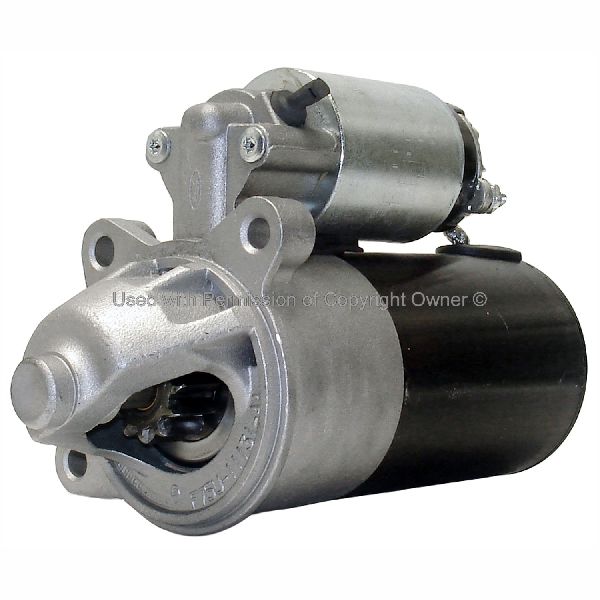
For a 2003-2005 E-150 Club Wagon, buying a new aftermarket starter is often the smartest choice. It provides a brand-new part without the high cost of an OEM (Original Equipment Manufacturer) unit from a Ford dealer. Unlike remanufactured parts, which reuse some old components, a new part gives you fresh-from-the-factory reliability.
Brand Options: MPA vs. Powermaster
When shopping for a new starter, you'll encounter different brands at different quality levels.
- Standard Replacement (Good/Better): Brands like MPA (Motor Parts of America) produce new starters designed to meet or exceed the original factory specifications. They use quality components like double-sealed bearings and are a reliable, cost-effective choice for daily driving and standard use.
- High-Torque / Performance (Best): A brand like Powermaster is known for making high-performance starters. These units often provide more cranking power than the original, which is great for easier starts in very cold weather or for high-mileage engines. Owners on Ford truck forums often praise their power, though some note they can have a distinct, louder whirring sound due to their gear-reduction design.
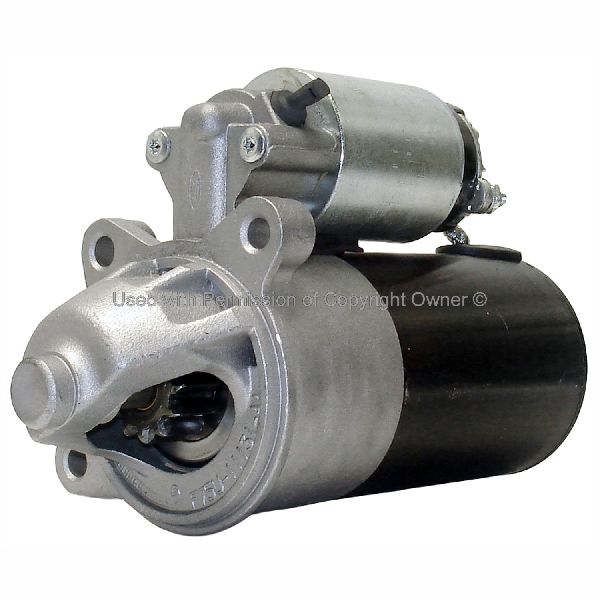
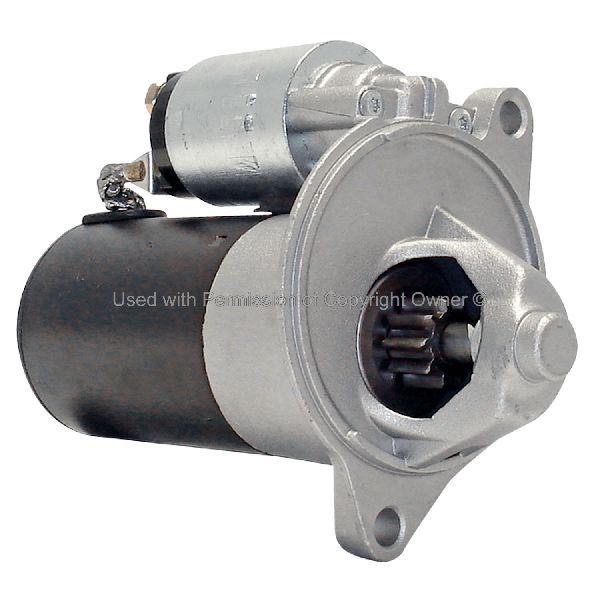
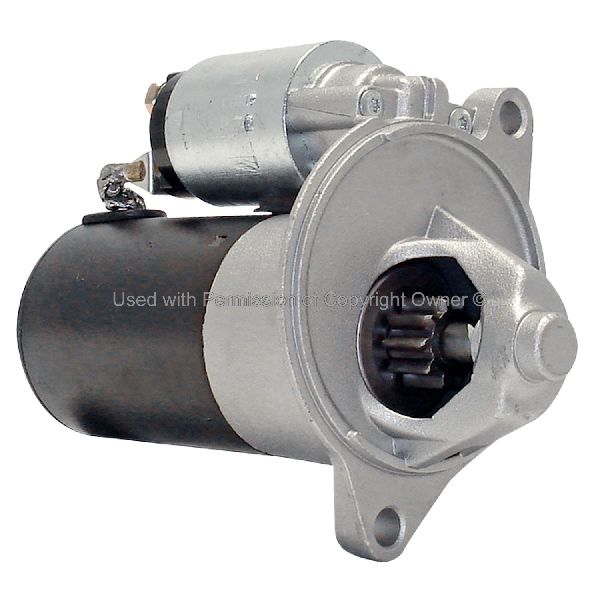
Pro Tip: The starter on the 4.6L and 5.4L V8 engines in these vans is a PMGR (Permanent Magnet Gear Reduction) type. Aftermarket versions may look slightly different from the original Ford part, but they are designed to fit and function correctly.
Starter Replacement Cost for 2003-2005 E-150 Club Wagon
The total cost depends on whether you do the work yourself or hire a professional mechanic.
| Part Type | Estimated Part Cost |
|---|---|
| New Aftermarket | $89 - $156 |
| Remanufactured Aftermarket | $135 - $200 |
| New OEM (Ford) | $170 - $280+ |
| Professional Labor | $73 - $107 |
Frequently Asked Questions
Is it hard to replace the starter on a 2003-2005 E-150?
No, it is considered a relatively easy job for a DIYer with basic tools. The starter is located on the passenger side of the engine and is easy to access from underneath the van. It is held on by three bolts and a couple of electrical connections.
Where is the starter located?
You can find the starter on the lower passenger side of the engine, right where the engine meets the transmission. You will need to safely raise the front of the van to get to it.
Are there any recalls on the starter for this van?
No. Searches of the National Highway Traffic Safety Administration (NHTSA) database show no safety recalls specifically for the starter motor on the 2003-2005 Ford E-150 Club Wagon.
Should I buy a new or remanufactured starter?
A new aftermarket starter is often the best value. It contains 100% new components and often comes with a great warranty, sometimes for a price similar to or even less than a remanufactured unit. Remanufactured starters are a good second choice, as major wear components are typically replaced.
What tools are needed to replace the starter?
You will need a basic socket set (10mm and 13mm are common sizes for this job), a ratchet, and a long socket extension to reach the top bolt. A wire brush for cleaning the electrical connections is also recommended. Always disconnect the negative battery terminal before you begin.
Technical Specifications
OEM Part Numbers: 3C2Z-11002-CA 4R3Z-11002-CA F75U-11000-AA F75U-11000-AB 6W1Z-11002-AA SA-842
Voltage: 12V, Rotation: Clockwise, Teeth: 12, Type: Permanent Magnet Gear Reduction (PMGR)
We Have This Part in Stock

The information in this article is provided for general reference and educational purposes only. Vehicle specifications, procedures, and part compatibility can vary by production date, trim level, and region. Always consult your vehicle's factory service manual and verify part numbers before purchasing or performing repairs. Safety-critical components such as airbags, seat belts, and braking systems should be installed by a qualified professional.
- Ford E-150 Club Wagon: