

A Practical Guide to the 2003-2005 Lincoln Aviator Ignition Switch
If your Aviator has trouble starting or stalls unexpectedly, the ignition switch could be the reason.
- Symptoms like stalling, no-start, and flickering dash lights often point to the ignition switch, not the battery or starter.
- A quality aftermarket brand like Standard Ignition or Dorman is a cost-effective and reliable solution for this repair.
- This is a DIY-friendly repair that does not require any special programming for the new switch.
- If your key is physically stuck or hard to turn, the problem is likely the lock cylinder, a separate part.
Is Your Lincoln Aviator's Ignition Switch Failing?
The ignition switch on the 2003-2005 Lincoln Aviator is a known wear item. As the internal electrical contacts wear out, they can cause a variety of frustrating and intermittent problems. These issues are often confused with a bad battery or starter, but have unique signs pointing to the switch itself.
Common Failure Symptoms
- No Crank, No Start: You turn the key and nothing happens. The dashboard lights may come on, but the engine doesn't crank at all.
- Stalling While Driving: The engine may shut off suddenly while you are driving, especially when hitting a bump. This happens when the switch momentarily loses electrical contact.
- Starts Then Immediately Dies: The engine fires up but stalls as soon as you release the key from the 'Start' to the 'On' position.
- Jiggling The Key Helps: If you find yourself needing to wiggle or jiggle the key to get the vehicle to start or to keep it running, it's a classic sign of a worn-out ignition switch.
- Intermittent Electrical Problems: The radio, power windows, or dashboard lights may flicker or stop working randomly. This can happen because the switch isn't providing consistent power in the 'Accessory' or 'On' position.
No Specific Recalls or TSBs
As of early 2026, there are no active recalls or specific Technical Service Bulletins (TSBs) from the National Highway Traffic Safety Administration (NHTSA) for the ignition switch on the 2003-2005 Lincoln Aviator. Failures are typically due to normal wear and tear over time.
Choosing the Right Aftermarket Ignition Switch
For a vehicle of this age, an aftermarket ignition switch provides excellent value. However, quality can vary between brands. Here’s a breakdown of what to expect from the brands available.
Tier 1: High-Quality Aftermarket
- Standard Ignition (SMP): Often considered a top-tier aftermarket brand, Standard Motor Products manufactures parts that meet or exceed OEM quality. They are a trusted choice for reliability. Be sure to choose their standard line (often in a red box) over their economy 'T-Series' if available.
Tier 2: Reputable Value Brands
- Dorman: Dorman is a well-known brand that often provides cost-effective solutions. For this specific part, many owners of similar Ford platforms report that a Dorman switch successfully fixed their starting issues. While some professionals have concerns about Dorman's overall quality control on more complex parts, their ignition switches are generally considered a reliable repair for the price.
Tier 3: Budget Options
- Replacement, Rostra Powertrain, True Tech: These brands typically fall into the budget or economy category. They can be a viable option if cost is the primary concern, but may not offer the same long-term durability or precise fit as higher-tiered brands.
Pro Tip: Check the Lock Cylinder First
The ignition switch is the electronic part. The lock cylinder is the mechanical part your key goes into. If your key is hard to turn, gets stuck, or won't go in, the problem is likely the lock cylinder, not the switch. If the key turns fine but you have the electrical symptoms described above, the switch is the likely culprit.
Estimated Replacement Costs
The cost to replace the ignition switch can vary based on who does the work and the part you choose.
| Item | Estimated Cost |
|---|---|
| New Aftermarket Part | $37 - $86 |
| New OEM Part | $100 - $200 |
| Shop Labor | $100 - $180 (Approx. 1 hour) |
| Total Professional Repair | $137 - $266 |
Frequently Asked Questions
Is this a difficult part to replace myself?
For a DIYer with basic tools, this is a manageable job. It typically involves removing the plastic trim below the steering column and possibly a metal reinforcement plate. The switch is held by two Torx screws and has one main electrical connector. The most difficult part is often working in the tight space under the dashboard.
Do I need to program a new ignition switch?
No. For the 2003-2005 Aviator, the ignition switch itself is a direct-replacement electrical part and does not require any programming. Your existing keys will continue to work because the anti-theft system (PATS) chip is read by a transceiver ring around the lock cylinder, not the switch itself.
Could my problem just be a fuse?
While a blown fuse can cause a no-start condition, it's less likely to cause intermittent symptoms like stalling or flickering lights. A fuse either works or it doesn't. If your problems come and go, the switch is a more probable cause than a fuse. However, checking relevant fuses in the fuse box is always a good first diagnostic step.
What tools are needed for the replacement?
You will likely need a socket set (7mm or 8mm are common for trim panels), a Torx bit set (a T30 bit is often required for the switch screws), and possibly a small screwdriver. A wobble extension for your ratchet can be very helpful for reaching screws at an angle.
Technical Specifications
OEM Part Numbers: 1L2Z-11572-AA 3L8Z-11572-AA
The ignition switch is a multi-position electrical switch located on the steering column, actuated by the lock cylinder. It features multiple terminals to control accessory, ignition, and starter circuits.
We Have This Part in Stock

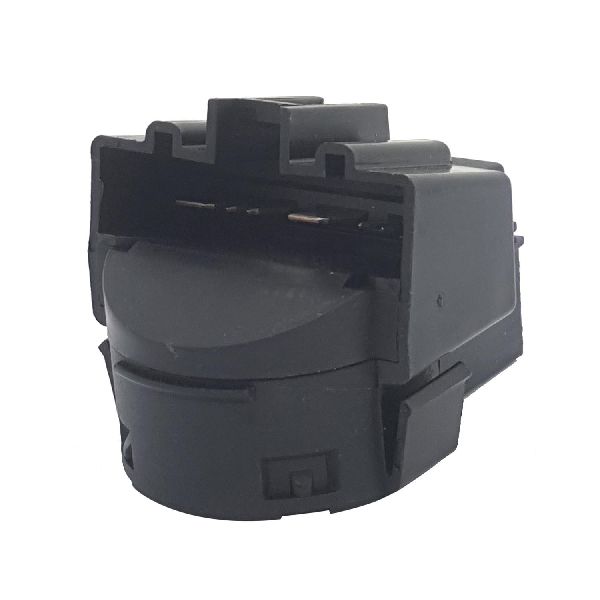
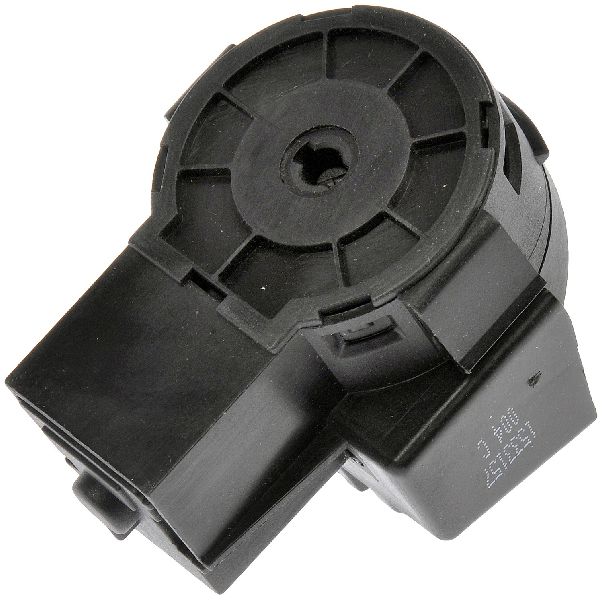

The information in this article is provided for general reference and educational purposes only. Vehicle specifications, procedures, and part compatibility can vary by production date, trim level, and region. Always consult your vehicle's factory service manual and verify part numbers before purchasing or performing repairs. Safety-critical components such as airbags, seat belts, and braking systems should be installed by a qualified professional.
- Lincoln Aviator: