

A Mechanic's Guide to 2003-2005 Lincoln Aviator Suspension Ball Joints
Keep your Aviator's ride smooth and safe by understanding when and how to replace your ball joints.
- Ball joint failure is a serious safety risk; address symptoms like clunking or steering wander immediately.
- For longevity, choose premium aftermarket brands like Moog or Delphi, or stick with OEM Motorcraft parts.
- The upper ball joints are typically replaced with the entire control arm assembly, while lower ball joints can be replaced individually.
- A wheel alignment is mandatory after replacing ball joints to prevent tire damage and ensure safe handling.
Is Your Aviator Making Clunking Noises or Drifting on the Road?
If your Lincoln Aviator has over 70,000 miles, it's time to pay close attention to your suspension. Ball joints are a common part to wear out on these vehicles, which share a platform with the Ford Explorer and Mercury Mountaineer. When they start to fail, you'll notice symptoms that can range from annoying noises to serious safety concerns. Ignoring a bad ball joint is dangerous, as a complete failure can cause the wheel to separate from the suspension, leading to a loss of control.
Symptoms of a Failing Ball Joint
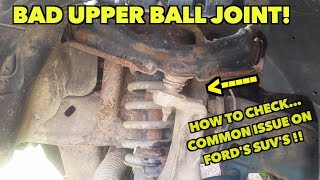
A worn ball joint will give you several warnings. At first, you might hear a faint clunking or knocking sound from a corner of your vehicle, especially when going over bumps 🎬 Watch: How to check for that specific clunking sound or making turns. As the wear gets worse, the noise will get louder and more frequent. You may also notice your steering feels loose, sloppy, or that the vehicle wanders or drifts to one side. Another key sign is uneven tire wear, particularly on the inner or outer edges of your front tires.
Safety Warning
Do not ignore symptoms of a bad ball joint. A complete failure can cause a wheel to detach from the vehicle, leading to a total loss of steering control and a high risk of a crash. If you suspect a ball joint is failing, have it inspected by a qualified mechanic immediately.
Choosing the Right Aftermarket Ball Joint for Your Aviator
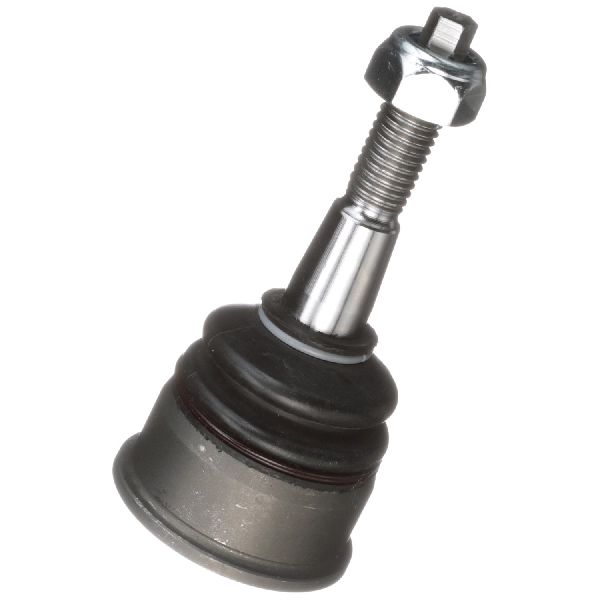
When it's time for a replacement, you have several choices. You can go with the original Motorcraft part or choose from a variety of aftermarket brands. For a vehicle like the Aviator, investing in a quality part is a smart move for safety and longevity.
Brand Quality Tiers
- OEM (Original Equipment Manufacturer): Motorcraft is the original part your Aviator was built with. It offers a direct fit and known quality, though it's often sealed and not serviceable. The original parts lasted a long time, so sticking with Motorcraft is a reliable, if sometimes more expensive, choice.
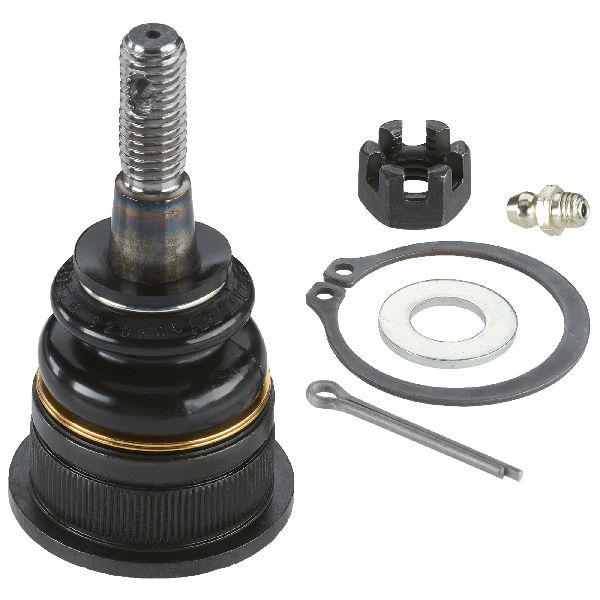
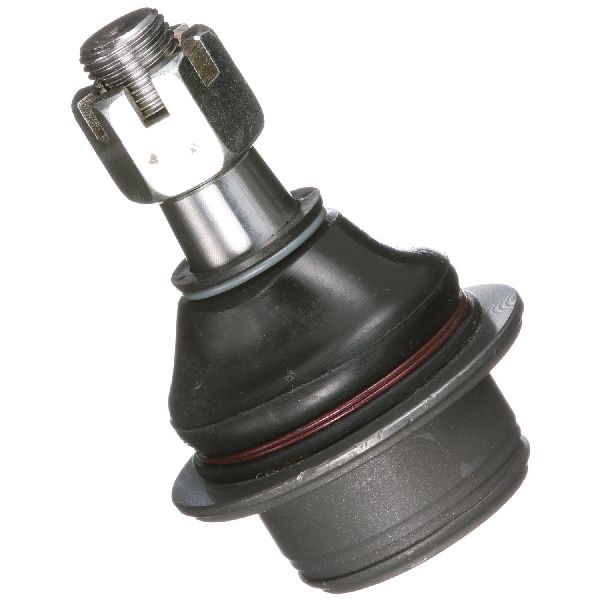
- Premium Aftermarket: Brands like Moog and Delphi are well-respected and often considered upgrades over the stock parts. Moog's "Problem Solver" line, for example, often features stronger materials and a greasable design. This allows you to flush out old grease and contaminants, potentially extending the part's life, but it requires regular maintenance. Delphi also has a strong reputation for quality components.
- Standard Aftermarket: Brands like Mevotech, Dorman, and ACDelco offer a good balance of quality and price. They are a solid choice for daily driving and a significant step up from economy parts. Some of these brands may offer multiple quality levels, so look for their premium lines if available.
- Economy Aftermarket: Brands like QuickSteer and Suspensia provide a budget-friendly option. While they meet basic requirements, they may not have the same durability or advanced features (like improved boot materials or greasable fittings) as the premium brands. These are best suited if you're on a tight budget or don't plan on keeping the vehicle for many more years.
Pro Tip: Greasable vs. Sealed
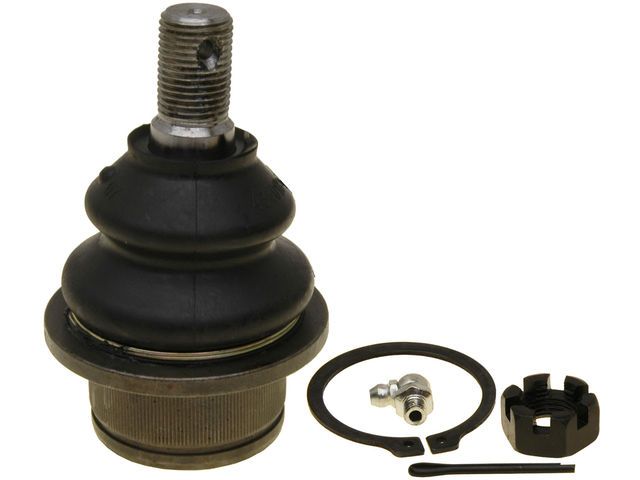
Greasable ball joints (common with Moog) can last longer if you service them regularly (usually with every oil change). Sealed units (like Motorcraft and many others) are maintenance-free but must be replaced when they wear out. If you don't do your own maintenance or trust your shop to find the grease fittings, a high-quality sealed joint might be a better choice for you.
Known Issues, Recalls, and TSBs
While searches for the 2003-2005 Lincoln Aviator did not reveal specific recalls or Technical Service Bulletins (TSBs) for suspension ball joints, this part is a known wear item on the shared Ford U1 platform (Explorer/Mountaineer). The most prominent issue noted for this generation Aviator is a cosmetic crack that develops on the rear liftgate panel. No widespread factory defects related to ball joints have been officially documented for this model year range. Always check for the latest recall information using your vehicle's VIN on the NHTSA website.
Replacement Costs
The cost to replace a ball joint can vary based on the brand you choose and local labor rates. Often, the ball joint is part of the control arm assembly, which can increase parts cost but may reduce labor time.
| Item | Estimated Cost |
|---|---|
| Aftermarket Ball Joint (Part Only) | $21 - $78 |
| Shop Labor | $150 - $250 per side |
| Total Professional Replacement (per side) | $171 - $328 |
| Wheel Alignment (Required after replacement) | $80 - $150 |
Frequently Asked Questions
Do I need to replace the whole control arm?
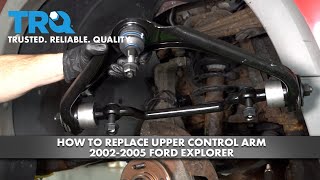
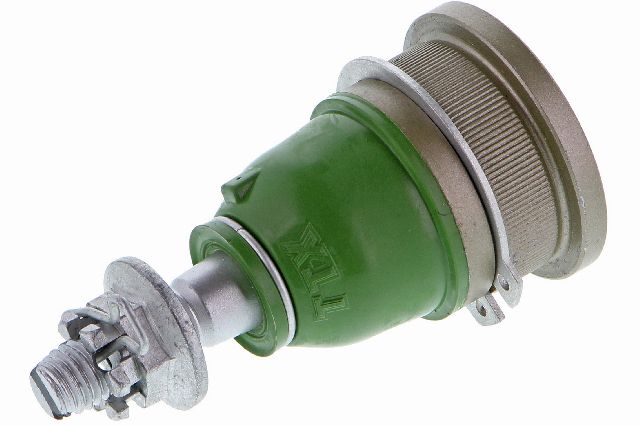
On the 2003-2005 Aviator, the upper ball joints are often integrated into the upper control arm, meaning you must replace the entire assembly. 🎬 Watch: How to replace the upper control arm assembly The lower ball joints can typically be replaced separately. However, buying a complete control arm assembly with a new ball joint and bushings pre-installed can sometimes save labor time and ensures all related components are new.
Should I replace ball joints in pairs?
Yes. Suspension components wear at similar rates. If the ball joint on one side has failed, the one on the other side is likely not far behind. Replacing them in pairs (both fronts, for example) is highly recommended for balanced handling and to avoid having to do the same job twice in the near future.
Is a wheel alignment necessary after replacing ball joints?
Absolutely. Replacing a ball joint will alter your vehicle's suspension geometry. A full four-wheel alignment is required to ensure proper handling, prevent premature tire wear, and make sure the vehicle drives straight. Skipping the alignment will negate the benefits of the new parts and wear out your tires quickly.
Can I replace a ball joint myself?
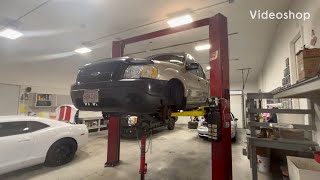
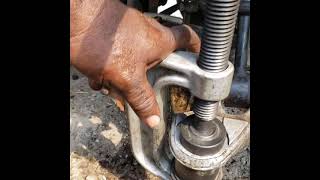
This is a job for an experienced DIY mechanic with the right tools. It requires safely lifting and supporting the vehicle. You will also need a ball joint press (which can often be rented from auto parts stores), a torque wrench, and a variety of sockets and wrenches. If you are not comfortable with this level of work, it is best left to a professional mechanic 🎬 See this full upper and lower ball joint replacement walkthrough due to the safety-critical nature of the part.
Helpful Videos
Technical Specifications
The 2003-2005 Lincoln Aviator uses an independent front suspension. The upper ball joints are often integral to the upper control arm, while the lower ball joints are press-fit into the lower control arm. Parts are shared with the 2002-2005 Ford Explorer and Mercury Mountaineer.
We Have This Part in Stock

The information in this article is provided for general reference and educational purposes only. Vehicle specifications, procedures, and part compatibility can vary by production date, trim level, and region. Always consult your vehicle's factory service manual and verify part numbers before purchasing or performing repairs. Safety-critical components such as airbags, seat belts, and braking systems should be installed by a qualified professional.
- Lincoln Aviator:
- 🎬 Helpful Videos
- 🛍️ Shop This Part
- Is Your Aviator Making Clunking Noises or Drifting on the Road?
- Symptoms of a Failing Ball Joint
- Safety Warning
- Choosing the Right Aftermarket Ball Joint for Your Aviator
- Brand Quality Tiers
- Pro Tip: Greasable vs. Sealed
- Known Issues, Recalls, and TSBs
- Replacement Costs
- Frequently Asked Questions
- 🎟️ Get 5% Off