

A Guide to Air/Fuel Ratio Sensors for the 2003-2006 BMW 325i (E46)
Fix your check engine light and poor gas mileage by understanding this critical sensor.
- Always check for vacuum leaks (codes P0171, P0174) before replacing the sensors, as this is a very common issue on the E46.
- Stick to high-quality OEM supplier brands like Denso, NGK/NTK, or Bosch for reliability and proper function.
- The sensors are located before the catalytic converter and are also called upstream O2 sensors; your 325i has two of them.
- Replacing sensors in pairs is recommended for balanced engine performance.
Symptoms of a Failing Air/Fuel Ratio Sensor
When an air/fuel ratio sensor starts to fail, it can cause several noticeable problems. The most common sign is the check engine light appearing on your dashboard. You may also experience a significant drop in fuel economy, a rough or shaky idle, and a general loss of engine power. In some cases, you might smell a rotten egg odor from the exhaust or see black smoke, which means the engine is running too rich (using too much fuel). Ignoring these symptoms can eventually lead to damage to your expensive catalytic converter.
Choosing the Right Aftermarket Sensor: Brand Matters
For a sensitive component like an air/fuel ratio sensor on a BMW, the brand you choose is very important. While a genuine BMW part is always an option, high-quality aftermarket brands often provide the same performance for less money. This is because they are often the original equipment manufacturer (OEM) for BMW and other carmakers.
| Brand Tier | Brands | Assessment |
|---|---|---|
| Top Tier / OEM Supplier | Denso, NGK/NTK, Bosch | These brands are known OEM suppliers and are highly recommended for their quality and reliability. Bosch is often the original manufacturer for many BMW parts. Denso and NGK/NTK are also considered excellent, top-quality choices that meet or exceed OEM specifications. You can expect reliable performance and a correct fit from these brands. |
| Universal / Lower Tier | Unbranded or store brands | It is strongly recommended to avoid generic or unbranded "universal" sensors. These often require cutting and splicing wires and may not perform correctly with your BMW's sensitive engine computer, leading to more problems. |
Known Issues, Recalls, and Service Bulletins
No specific recalls or technical service bulletins (TSBs) from the National Highway Traffic Safety Administration (NHTSA) directly address the air/fuel ratio sensors for the 2003-2006 BMW 325i. Searches for recalls primarily show information related to Takata airbags for this vehicle generation. However, a TSB from 2016 (SI B12 16 16) was issued for some model year 2000 E46 vehicles due to a DME software error that prevented the oxygen sensor readiness monitor from setting, which could cause a failed emissions test. While this doesn't apply directly to the 2003-2006 model years, it highlights the sensitivity of the emissions system.
A Note on Lean Codes (P0171, P0174)
If your car shows check engine light codes P0171 and P0174, it means the engine is running too lean on both banks. While this can be caused by failing air/fuel sensors, it is very commonly caused by vacuum leaks on the E46. Cracked intake boots and old vacuum hoses are frequent culprits. Before replacing your sensors, it's a wise and often money-saving step to have a smoke test performed to check for vacuum leaks.
Frequently Asked Questions (FAQ)
How many air/fuel ratio sensors does my 325i have?
Your 2003-2006 BMW 325i has two upstream air/fuel ratio sensors (one for cylinders 1-3, called Bank 1, and one for cylinders 4-6, called Bank 2) and two downstream oxygen sensors. This guide focuses on the upstream sensors, which are responsible for fuel mixture control.
Should I replace both sensors at the same time?
Yes, it is highly recommended to replace the upstream sensors in pairs. Sensors degrade over time, and replacing only one can cause an imbalance in readings between the banks. Replacing both ensures even performance and can prevent future headaches.
Is replacing the sensors a difficult DIY job?
The replacement is feasible for a home mechanic with the right tools. The sensors are located on the exhaust manifolds. Access can be tight, and a special 22mm oxygen sensor socket with a slot for the wire is required. The old sensors can be seized in the exhaust, so penetrating oil and patience may be needed.
What's the difference between an Air/Fuel Ratio Sensor and an Oxygen Sensor?
These terms are often used interchangeably, but they have a technical difference. Air/fuel ratio sensors are a type of wide-band oxygen sensor used upstream (before the catalytic converter) for precise fuel control. The term "oxygen sensor" is often used for the downstream sensors (after the cat), which are narrow-band and primarily monitor the catalytic converter's efficiency. For shopping purposes, you are looking for the "upstream" or "pre-cat" sensors.
Technical Specifications
OEM Part Numbers: 11787523434
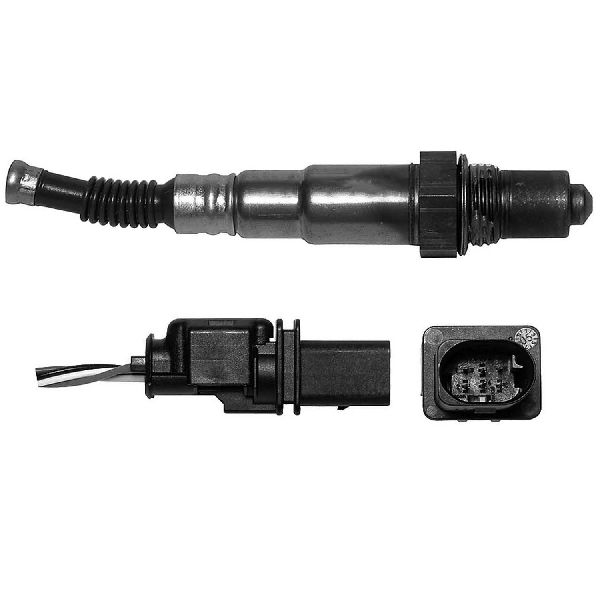
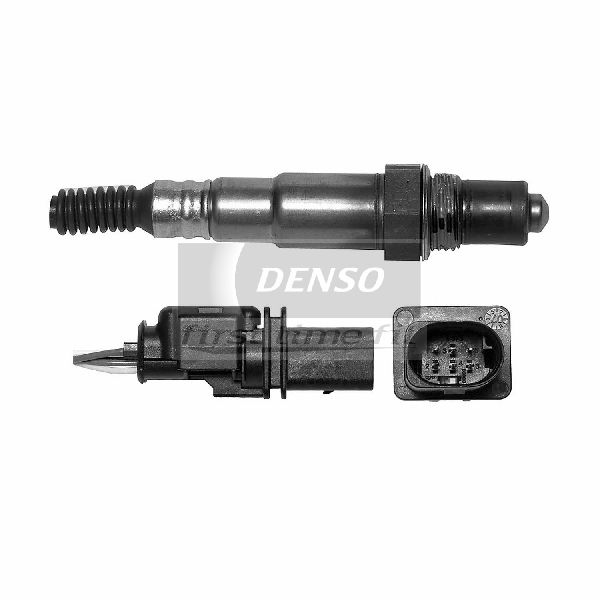
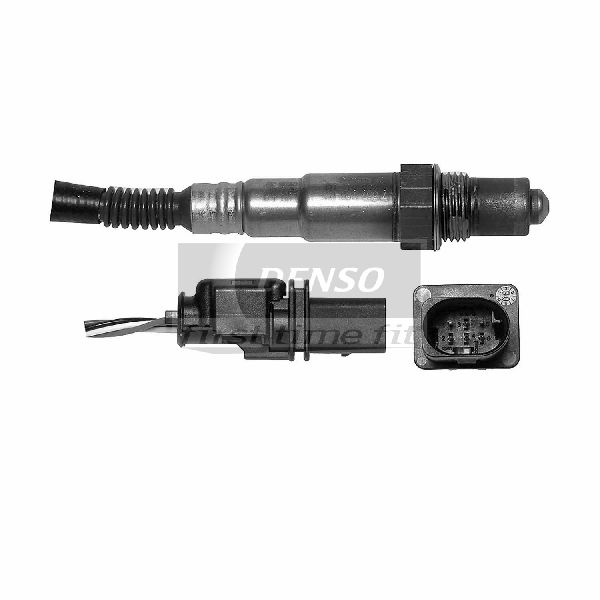
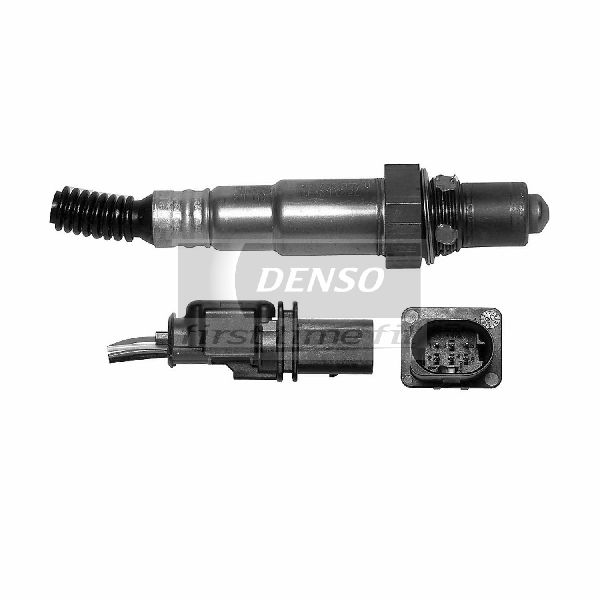
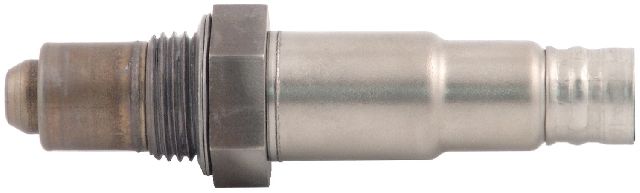
Your 2003-2006 325i uses two upstream air/fuel ratio sensors. Bank 1 is for cylinders 1-3, and Bank 2 is for cylinders 4-6. The sensors are located in the exhaust manifolds before the catalytic converters. A special 22mm (7/8") oxygen sensor socket is needed for removal.
We Have This Part in Stock

The information in this article is provided for general reference and educational purposes only. Vehicle specifications, procedures, and part compatibility can vary by production date, trim level, and region. Always consult your vehicle's factory service manual and verify part numbers before purchasing or performing repairs. Safety-critical components such as airbags, seat belts, and braking systems should be installed by a qualified professional.
- BMW 325i: