

A Guide to 2003-2006 GMC Envoy XL Valve Lifter Replacement
Addressing the common engine ticking noise in your Envoy XL and understanding your replacement options.
- The primary symptom of a bad lifter is a persistent engine ticking noise that changes with engine speed.
- Valve lifter replacement is a very labor-intensive and expensive job, requiring removal of the engine's cylinder head(s).
- It is strongly recommended to replace all lifters at the same time, not just the single failed unit.
- While budget brands are available, using a premium aftermarket brand like Melling or Sealed Power is advisable due to the high labor cost of the repair.
Understanding Valve Lifter Issues in Your Envoy XL
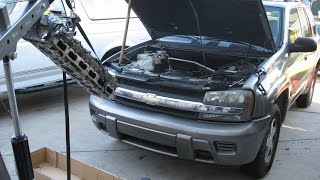
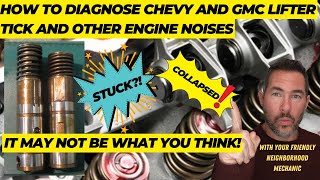
If you're hearing a persistent ticking or tapping sound from your 2003-2006 GMC Envoy XL's engine, a faulty valve lifter is a likely culprit. This noise often gets louder and more frequent as you accelerate. The issue 🎬 Watch: How to tell if that ticking is actually a lifter can stem from a lifter that has collapsed, is stuck, or is simply worn out. While the 5.3L V8 engines in later GM trucks became notorious for issues related to the Active Fuel Management (AFM) system, it's important to note that the 2003-2004 Envoy XL V8s did not have AFM. Some 2005-2006 models did offer AFM, which uses special lifters that can be more prone to failure. The 4.2L inline-6 engine has a different design but can also experience lifter problems. 🎬 Watch this teardown of the 4.2L engine for valve work Ignoring a bad lifter can lead to more severe engine problems, including a bent pushrod, camshaft damage, or even a dead cylinder.
Choosing the Right Aftermarket Valve Lifter
When it's time for a replacement, you'll find OEM (Original Equipment Manufacturer) and aftermarket options. For a vehicle of this age, a quality aftermarket part offers a cost-effective solution. The key is understanding the quality differences.
OEM Lifters: These are the same parts your vehicle was built with, backed by GM. They guarantee a perfect fit and are made to a specific quality standard, but they are often the most expensive option.
Premium Aftermarket Brands (e.g., Melling, Sealed Power): Brands like Melling and Sealed Power are well-regarded in the industry for producing reliable parts that meet or exceed OEM specifications. They are a solid choice for this repair, offering a balance of quality and value. Many professional mechanics trust these brands for engine repairs.
Value/Economy Brands (e.g., "Replacement"): The "Replacement" brand is a private-label, or store, brand. These parts are designed to be an affordable alternative. While they can get the job done, their long-term durability and manufacturing consistency might not match that of premium brands or OEM parts. Given the high labor cost of this job, saving a few dollars on the part itself may not be worth the risk of premature failure. However, for a budget-conscious repair, they remain a viable option.
Pro Tip: Replace in Sets
Because replacing valve lifters is extremely labor-intensive, it is highly recommended to replace all of them at once, not just the one that failed. If one lifter has worn out, others are likely not far behind. Also, consider replacing related components like the lifter guides and inspecting the camshaft for wear at the same time.
Frequently Asked Questions
Is a ticking lifter a serious problem?
Yes, it can be. While the initial ticking might just be an annoyance, it indicates a problem that can escalate. Continued driving with a collapsed or bad lifter can lead to engine misfires, loss of power, and eventually cause damage to other expensive engine components like the camshaft or valves.
What causes valve lifters to fail?
Failure can be caused by several factors. High mileage and normal wear are common reasons. Other causes include dirty or contaminated engine oil, using the wrong oil viscosity, or low oil levels, which prevent the hydraulic lifters from functioning correctly. In some cases, debris can enter the lifter, causing it to stick.
Can I replace just one bad lifter?
While you technically can, it is not recommended. The cost of this repair is mostly in the labor required to access the lifters, which involves removing the cylinder head(s). 🎬 See this walkthrough on removing the heads and replacing lifters Since all lifters have the same amount of wear, it is best practice to replace them all at the same time to avoid having to do the same expensive job again in the near future.
Were there any recalls for this issue?
My search did not find any specific recalls for valve lifter failure on the 2003-2006 GMC Envoy XL. However, GM has issued numerous Technical Service Bulletins (TSBs) for lifter noise on various V8 engines, including some found in the Envoy. These bulletins often point to issues with oil aeration, contamination, or specific problems with AFM lifters on later models.
Helpful Videos
Technical Specifications
OEM Part Numbers: 12499225 17122490
Hydraulic Roller Lifter. The 5.3L V8 engine uses 16 lifters. The 4.2L I6 engine uses 24 lifters.

The information in this article is provided for general reference and educational purposes only. Vehicle specifications, procedures, and part compatibility can vary by production date, trim level, and region. Always consult your vehicle's factory service manual and verify part numbers before purchasing or performing repairs. Safety-critical components such as airbags, seat belts, and braking systems should be installed by a qualified professional.
- GMC Envoy XL: