

Subaru Baja Radiator Guide (2003-2006): Choosing the Right Replacement
Everything a Baja owner needs to know when it's time to replace a failing radiator.
- The most common failure is a crack in the plastic end tanks, a known issue for this generation of Subaru.
- Upgrading to an all-aluminum radiator from a brand like Koyorad or CSF can prevent future failures.
- Always replace radiator hoses, thermostat, and cap at the same time for a complete repair.
- Use only Genuine Subaru coolant or a specified equivalent to protect your aluminum engine.
The Most Common Subaru Baja Radiator Problem
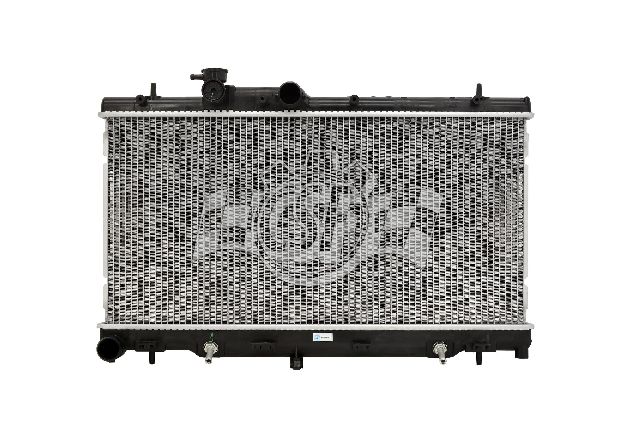
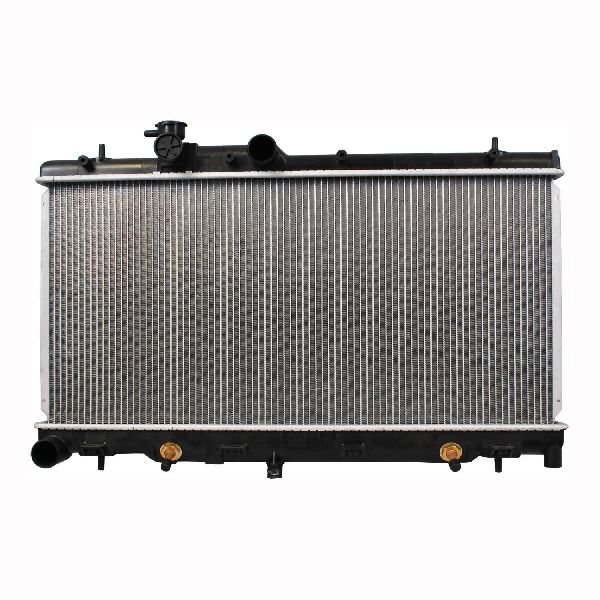
If you own a 2003-2006 Subaru Baja, the question isn't *if* your radiator will fail, but *when*. The original factory radiators, and many aftermarket replacements, use an aluminum core with plastic tanks crimped onto the ends. Over years of heating up and cooling down, this plastic becomes brittle and weak. The most common failure is a crack developing along the top or bottom plastic tank, especially near the hose connections. This will cause a coolant leak, which can lead to overheating and serious engine damage if not addressed quickly.
Check for Cracks
Look for a thin, white or greenish crusty residue along the black plastic sections at the top and bottom of your radiator. This is dried coolant and a sure sign of a leak, even a small one. A sweet smell after driving is another major clue.
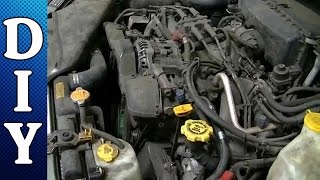
🎬 Watch this guide on diagnosing common Subaru coolant leaks.Choosing Your New Aftermarket Radiator
When you're shopping for a new radiator, you have a few levels of quality and price to consider. The original OEM radiators have a known weakness, so an aftermarket part can be a smart upgrade.
Brand Quality Tiers
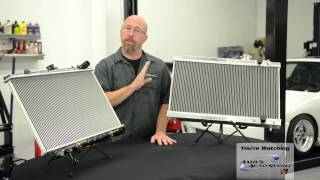
- Performance Brands (Koyorad, CSF, Mishimoto): These brands are popular in the Subaru community for a reason. They often offer all-aluminum radiators that eliminate the weak plastic end tanks completely. An all-aluminum radiator provides better durability and peace of mind. While Mishimoto is a popular name, many Subaru enthusiasts prefer Koyorad or CSF for their consistent quality and fit. 🎬 See why enthusiasts choose all-aluminum radiators for their Subarus.
- OEM-Quality Brands (Denso, Spectra): Denso is a well-respected brand that often manufactures original parts for Japanese automakers. Spectra is another popular choice that provides a good balance of quality and price, designed to fit and function like the original part. These are excellent choices if you want a reliable, standard replacement without the higher cost of a full performance model.
- Standard/Economy Brands (APDI, Global Parts, Onix, etc.): These radiators are the most budget-friendly and will get your Baja back on the road. They are built to OE-specifications with a plastic/aluminum construction. While they are a good value, their long-term durability might not match that of the higher-tier brands.
Pro Tip: Replace More Than Just the Radiator
Since you'll have the cooling system drained, it's the perfect time to replace your upper and lower radiator hoses, thermostat, and radiator cap. These parts are inexpensive and wear out over time. Doing it all at once saves you from having to do another cooling system repair in the near future.
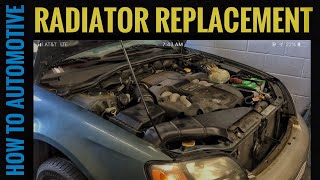
🎬 Follow this step-by-step walkthrough for replacing a 2.5L Subaru radiator.Cost of Replacing a Subaru Baja Radiator
| Part Type | Estimated Cost |
|---|---|
| New Aftermarket Radiator | $109 - $375 |
| New OEM Subaru Radiator | $380 - $600 |
| Shop Labor | $150 - $300 |
Frequently Asked Questions
Is an all-aluminum radiator worth it for my Baja?
For many owners, yes. The biggest weakness of the stock radiator is the plastic end tanks. An all-aluminum radiator eliminates this failure point, offering much better long-term durability, especially if you have a Turbo model or live in a hot climate.
Do I need a special radiator for a Turbo Baja?
Yes, the radiators for naturally aspirated (non-turbo) and turbo models are different. The turbo models have extra connections for the automatic transmission fluid cooler. Make sure you order the correct part for your specific vehicle. Mishimoto, for example, has different models for turbo and non-turbo Bajas.
What kind of coolant should I use?
Always use Genuine Subaru Long Life Coolant or a compatible phosphate (non-amine) type coolant. Using the wrong type of coolant can cause corrosion and damage to your aluminum engine and radiator. It is also recommended to add Genuine Subaru Cooling System Conditioner when you change the coolant.
Were there any recalls for the Baja radiator?
No, there have been no specific recalls issued by the NHTSA for the radiator on the 2003-2006 Subaru Baja. The common cracking issue is considered a wear-and-tear item. There were, however, recalls for the Takata airbags and a fuel pump issue on certain model years.
Helpful Videos
Technical Specifications
OEM Part Numbers: 45111AE00A 45111AE01A
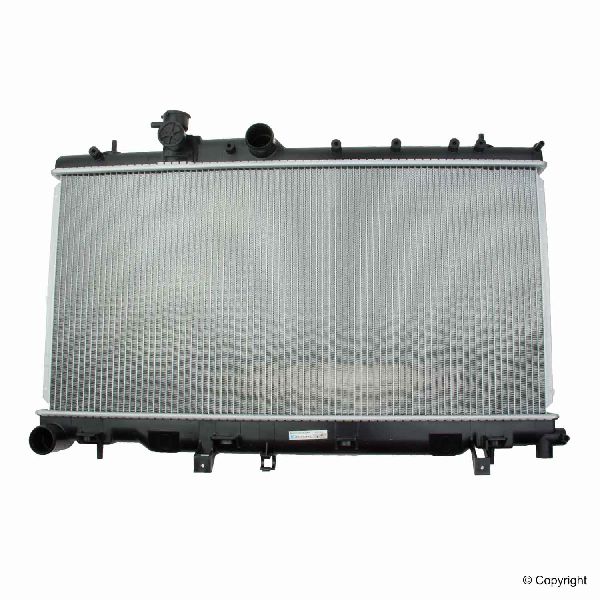
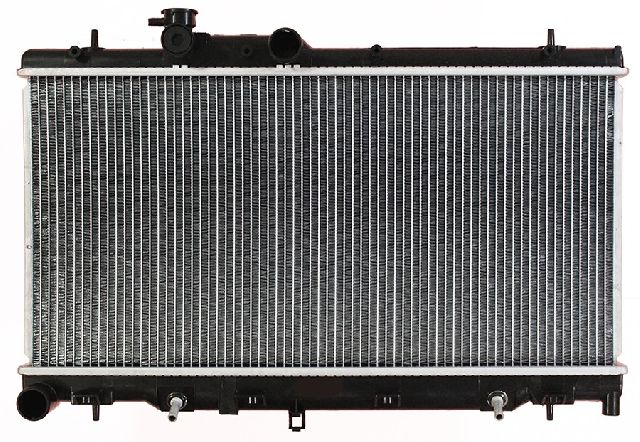
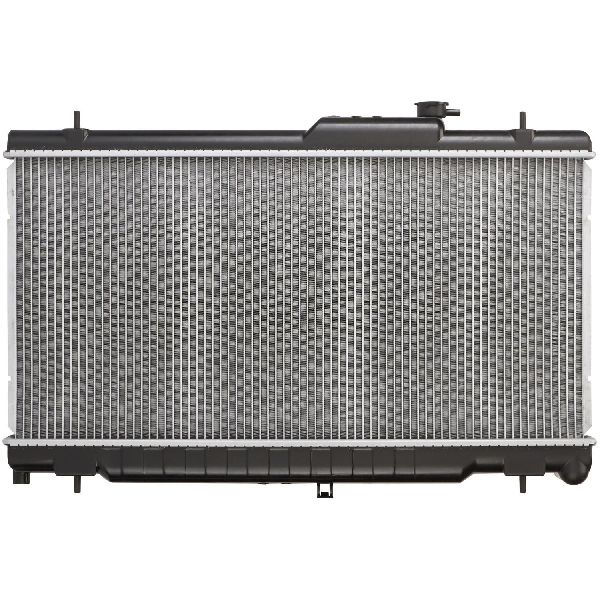
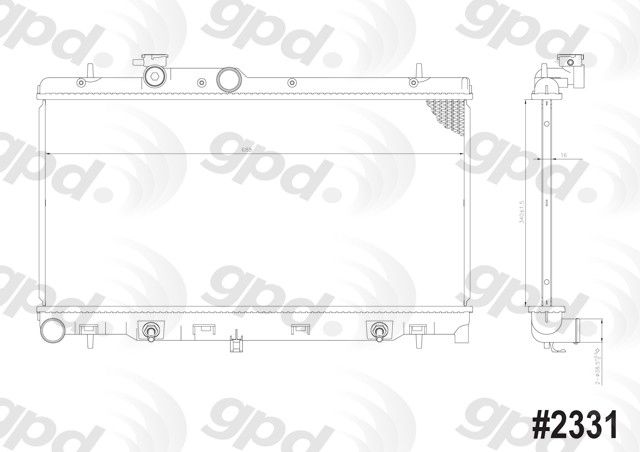
Core Material: Aluminum. Tank Material: Plastic (OEM and standard aftermarket) or Aluminum (performance aftermarket). Core dimensions are approximately 27" x 13 3/8" x 1". Ensure compatibility for Turbo or Non-Turbo models as transmission cooler connections differ.
We Have This Part in Stock

The information in this article is provided for general reference and educational purposes only. Vehicle specifications, procedures, and part compatibility can vary by production date, trim level, and region. Always consult your vehicle's factory service manual and verify part numbers before purchasing or performing repairs. Safety-critical components such as airbags, seat belts, and braking systems should be installed by a qualified professional.
- Subaru Baja: