

A Guide to Replacing the Air/Fuel Ratio Sensor on a 2003-2006 BMW 330i
If your 330i has a check engine light, poor gas mileage, or a rough idle, your air/fuel ratio sensor could be the problem.
- The upstream Air/Fuel ratio sensors are a common failure point that causes poor fuel economy and a check engine light.
- Bosch is the Original Equipment Manufacturer (OEM); buying a Bosch, Denso, or NGK aftermarket sensor gives you the same quality as the dealer part for less money.
- This is a very DIY-friendly job that requires a special O2 sensor socket but is otherwise straightforward.
- Do not ignore a failing sensor, as it can lead to damage to your catalytic converters over time.
Understanding Your 330i's Air/Fuel Sensors
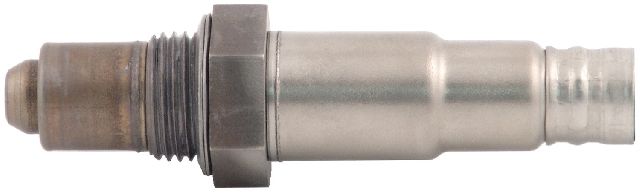
If you own a 2003-2006 BMW 330i, you're driving the E46 platform. These cars have two Air/Fuel Ratio (A/F) sensors and two downstream oxygen sensors. The A/F sensors are the ones that affect engine performance and are the focus of this guide. They are located in the exhaust manifolds, before the catalytic converters, and are accessible from the top of the engine. Note: The 2006 model year can be confusing, as BMW also produced a newer 330i (the E90 chassis) which uses different parts. This guide is for the E46 model common from 2003-2006.
Symptoms of a Failing A/F Sensor
A failing A/F sensor sends bad information to the engine's computer. The computer then has to guess how much fuel to add, which usually means it adds too much. This can cause several problems.
- Check Engine Light: This is the most common sign. You may see fault codes like P0171 (System Too Lean Bank 1) or P0174 (System Too Lean Bank 2), or other codes related to the O2 sensor heater circuit.
- Poor Fuel Economy: Your car will use more gas because the engine is running rich (too much fuel).
- Rough Idle and Hesitation: The engine may idle unevenly, hesitate when you accelerate, or feel down on power.
- Failed Emissions Test: With the fuel mixture out of balance, your car will produce more pollution and will likely fail an emissions test.
Can I Drive with a Bad A/F Sensor?
You can, but it's not recommended for long. Driving with a bad sensor will cause poor performance and cost you money in wasted fuel. More importantly, a rich fuel mixture can eventually damage your expensive catalytic converters, turning a simple repair into a major one.
Choosing the Right Aftermarket Part: OEM vs. Aftermarket
For many parts on a BMW, there is a big debate about quality. For this sensor, the choice is simple. The original sensor that BMW put in your car at the factory was made by Bosch. You can buy the exact same Bosch sensor in a Bosch box for much less than the part in a BMW-branded box.
Denso and NGK (also known as NTK) are also top-tier, OEM-quality suppliers for many car manufacturers. They are known for making high-quality sensors that are reliable and perform just as well as the original part. You can be confident installing a new A/F sensor from any of these three brands.
- Tier 1 (Best Value): Bosch, Denso, NGK/NTK. These are direct-fit parts that meet or exceed factory specifications.
- Avoid: Unknown, no-name brands. While cheaper, they often fail quickly or provide inaccurate readings, causing the same problems you were trying to fix.
Cost to Replace BMW 330i Air/Fuel Ratio Sensors
| Part / Service | Estimated Cost (Per Sensor) |
|---|---|
| New Aftermarket (Denso, NGK) | $154 - $217 |
| New OEM (Dealer Part) | $290 - $400 |
| Shop Labor | $150 - $300 |
DIY Installation Tips
Replacing the A/F sensors on the E46 330i is a manageable DIY job. The sensors are on top of the engine. You will need a special oxygen sensor socket (22mm) to remove and install them. It's best to replace only one sensor at a time to avoid mixing up the electrical connectors for Bank 1 and Bank 2. The new sensors come with anti-seize compound on the threads; make sure not to wipe it off.
Frequently Asked Questions
How many A/F sensors does my 2004 330i have?
Your car has four oxygen sensors in total. Two are Air/Fuel Ratio sensors located before the catalytic converters (upstream), and two are monitoring sensors located after the cats (downstream). The upstream A/F sensors are the ones that cause the performance issues described here.
Should I replace both upstream sensors at the same time?
It is recommended. Oxygen sensors degrade with age and mileage. If one has failed, the other is likely not performing at its best and may fail soon. Replacing them in pairs ensures balanced and accurate readings for the engine computer.
Is a Denso or NGK sensor really as good as the BMW part?
Yes. The original part is made by Bosch. Denso and NGK are major OEM suppliers with a reputation for quality that is equal to Bosch. They are a trusted, reliable alternative to the more expensive dealer part.
Can I just clean my old A/F sensor?
Cleaning is not a reliable fix. The sensor fails because its internal components wear out over time, not just because it's dirty. Attempting to clean it can also cause damage. Replacement is the only way to guarantee a solution.
Technical Specifications
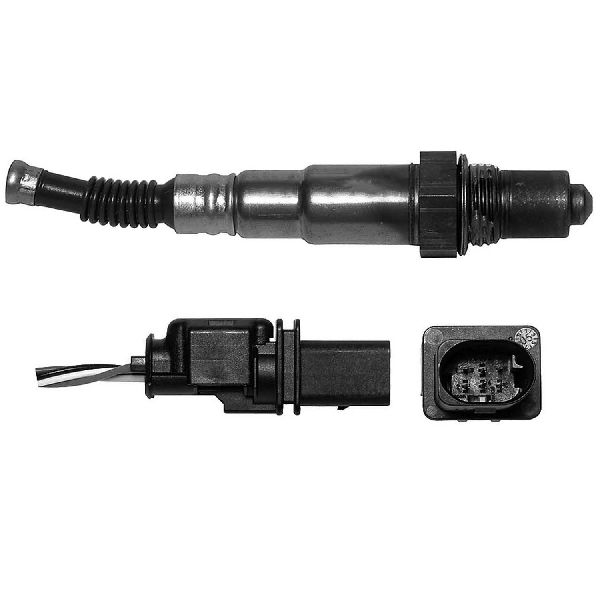
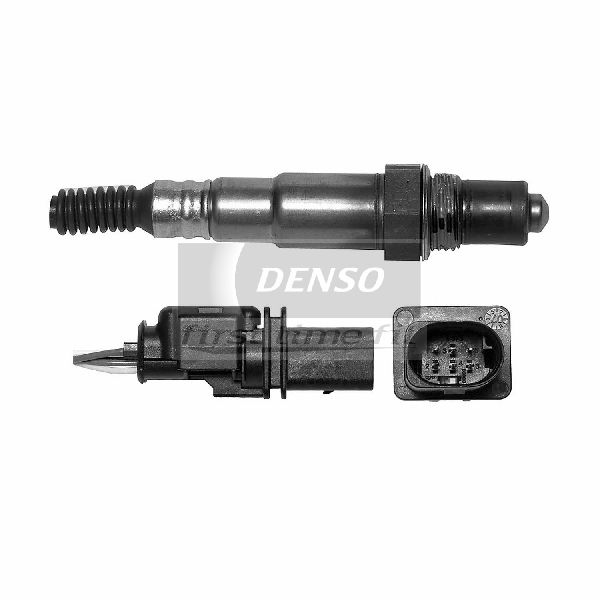
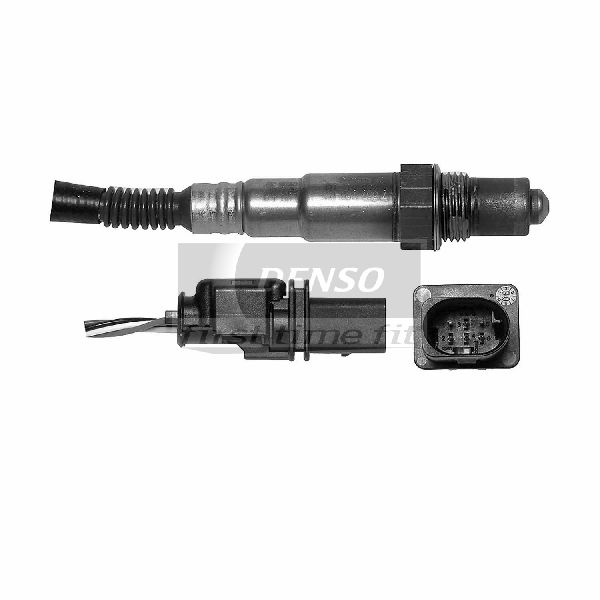
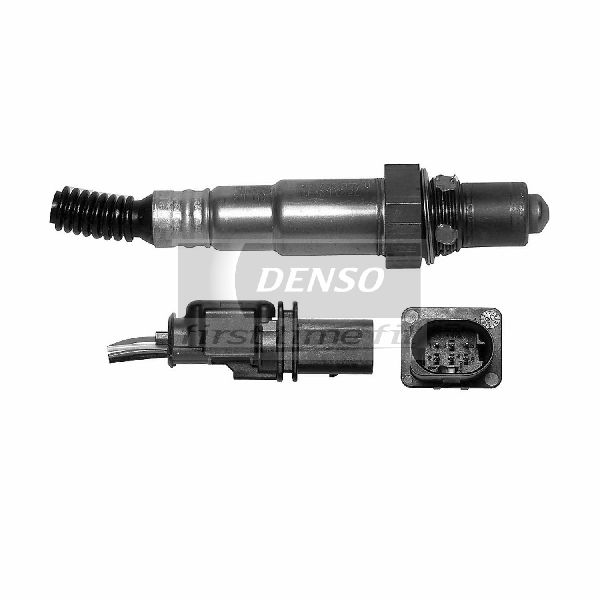
OEM Part Numbers: 11781742050 11787512975 11787523434
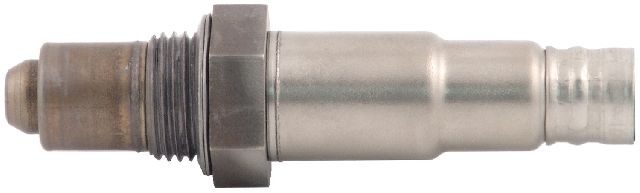
Wideband, 5-Wire, Heated, Upstream (Pre-Catalyst)
We Have This Part in Stock

The information in this article is provided for general reference and educational purposes only. Vehicle specifications, procedures, and part compatibility can vary by production date, trim level, and region. Always consult your vehicle's factory service manual and verify part numbers before purchasing or performing repairs. Safety-critical components such as airbags, seat belts, and braking systems should be installed by a qualified professional.
- BMW 330i: