

A Guide to the Automatic Transmission Mount for the 2003-2007 Cadillac CTS
Experiencing clunks, thumps, or vibrations? Your transmission mount might be the reason.
- The most common failure symptoms are loud clunking noises and excessive cabin vibration.
- Replacement can be complicated by rusted exhaust bolts that may require cutting the exhaust pipe.
- OEM mounts provide the best ride quality; budget aftermarket brands may increase vibration and wear out faster.
- No recalls were issued for this part; failure is typically due to age and wear.
Signs of a Failing Transmission Mount on Your CTS
When the transmission mount wears out, the rubber cracks or collapses, and it can no longer properly support the transmission or absorb vibrations. This leads to several noticeable symptoms. The most common sign is a loud clunking or banging noise when you accelerate, brake hard, or shift gears from park to drive or reverse. You may also feel excessive vibrations through the floor and seats, especially while idling or accelerating. In more severe cases, a completely failed mount can cause the transmission to move excessively, which may lead to rough shifting or a feeling that the drivetrain is loose.
Installation Warning: Exhaust Complications
Replacing the transmission mount on the first-generation CTS can be more complex than on other vehicles. The exhaust pipes often run directly underneath the transmission crossmember, blocking access to the mount. If the exhaust bolts are rusted—a common issue on these cars—they can easily break. Mechanics often have to cut the exhaust pipe to remove the mount and then re-attach it with clamps. This can add time and cost to the repair.
OEM vs. Aftermarket: Choosing the Right Part
For a premium car like the Cadillac CTS, the quality of the mount makes a big difference in ride comfort. The original GM (OEM) mount was designed specifically to balance performance and comfort, providing the best vibration absorption. Aftermarket parts are more affordable but can be a mixed bag.
- OEM (Original Equipment Manufacturer): This is the benchmark for quality and fit. It will restore the original smooth feel of your car. The main drawback is the higher cost. An OEM part number for the 2003-2004 models is 25756630.
- Premium Aftermarket (e.g., Pioneer): Some aftermarket brands focus on closely replicating OEM quality. Forum users have mentioned Pioneer as a brand whose mounts often look and feel very similar to the factory parts. This can be a good compromise between cost and quality.
- Budget Aftermarket (e.g., Anchor, DEA, Westar): These brands offer the lowest prices. However, general consensus among mechanics and enthusiasts is that these mounts often use harder rubber compounds or thinner metal. This can result in more noticeable cabin vibration compared to OEM. While they will secure the transmission, they may not provide the same level of ride comfort and may not last as long.
Typical Replacement Costs
The cost to replace the transmission mount depends on the part you choose and local labor rates. Given the potential for exhaust work, labor can take between 1.5 and 2.5 hours.
| Item | Estimated Cost |
|---|---|
| New OEM Mount | $150 - $250 |
| New Aftermarket Mount | $41 - $101 |
| Shop Labor | $180 - $300 |
| Total Estimated Cost | $221 - $551 |
Pro Tip: Inspect Engine Mounts at the Same Time
The transmission mount and engine mounts wear out under similar conditions. If your transmission mount has failed, it's very likely your engine mounts are also worn. A bad engine mount can put extra stress on the new transmission mount, causing it to fail prematurely. It's wise to inspect all drivetrain mounts and replace them as a set if needed.
Frequently Asked Questions
Can I replace the CTS transmission mount myself?
This is possible for an experienced DIY mechanic. It requires safely lifting the vehicle, supporting the transmission with a jack, and having the right tools. However, due to the high probability of dealing with rusted and difficult exhaust bolts, it can quickly become a frustrating job. If you are not comfortable cutting and clamping an exhaust pipe, it's best to leave this to a professional.
What happens if I don't replace a bad transmission mount?
Continuing to drive with a failed mount is not recommended. The excessive movement can put stress on other expensive parts, including the driveshaft, CV joints, exhaust pipes, and even the transmission housing itself, potentially causing fluid leaks. The constant clunking and vibration also make for an unpleasant driving experience.
Is a transmission mount the same as an engine mount?
No, but they do a similar job. Engine mounts secure the engine to the car's frame, while the transmission mount secures the transmission. Together, they support the entire powertrain and absorb vibrations. The 2003-2007 CTS has two engine mounts and one transmission mount.
How long should a transmission mount last?
An original transmission mount can last 70,000 to 100,000 miles or more, but this varies based on driving habits and road conditions. The rubber simply degrades over time from heat, stress, and exposure to the elements. Aftermarket mount lifespan can vary significantly based on quality.
Technical Specifications
OEM Part Numbers: 25756630
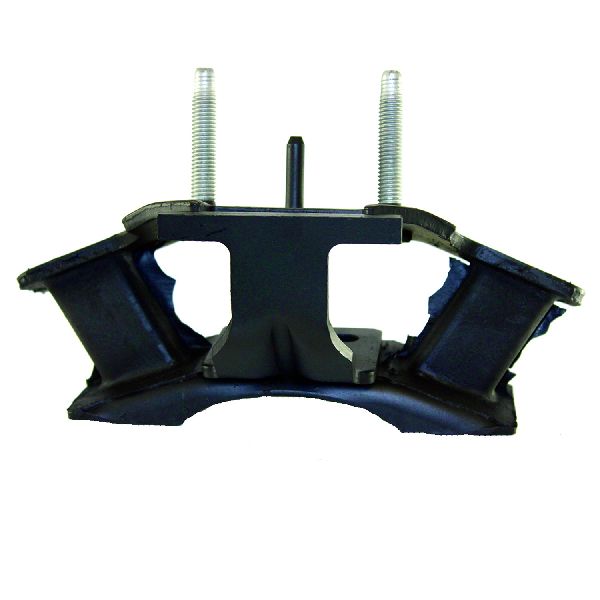
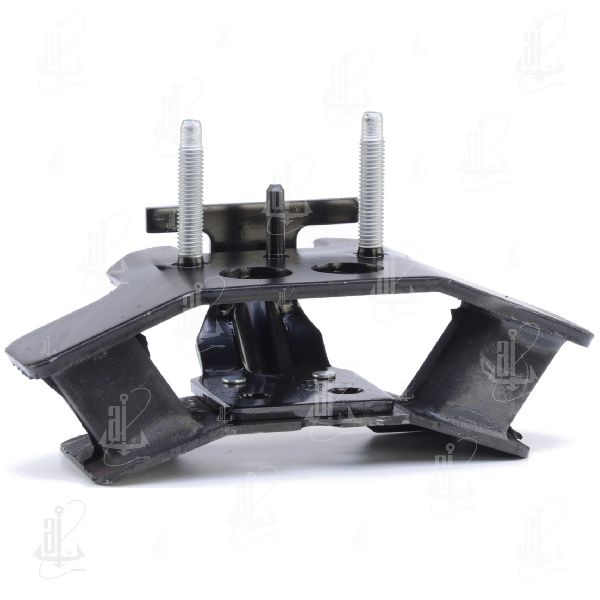
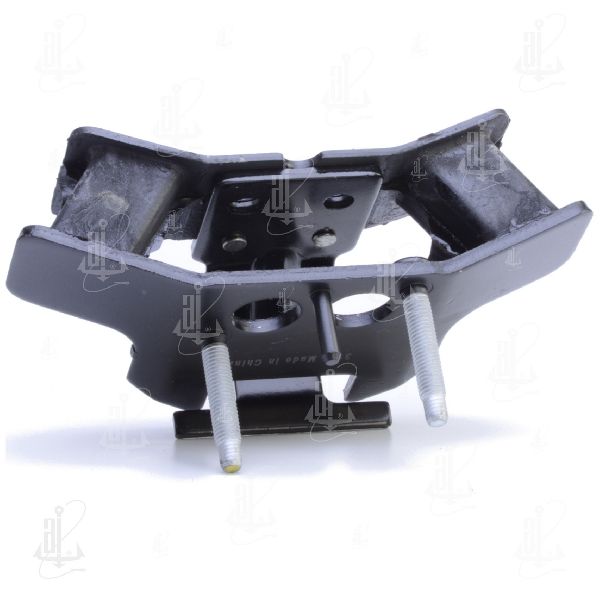
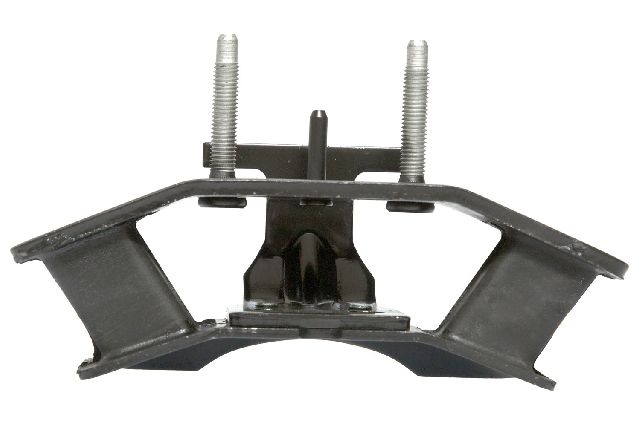
The rear transmission mount for the automatic transmission is a single unit that bolts to the transmission crossmember. It consists of a metal frame with a rubber or fluid-filled bushing to absorb vibration.
We Have This Part in Stock


The information in this article is provided for general reference and educational purposes only. Vehicle specifications, procedures, and part compatibility can vary by production date, trim level, and region. Always consult your vehicle's factory service manual and verify part numbers before purchasing or performing repairs. Safety-critical components such as airbags, seat belts, and braking systems should be installed by a qualified professional.
- Cadillac CTS: