

Engine Coolant Temperature Sensor Guide for the 2003-2007 Dodge Viper
Keep your Viper's V10 engine running optimally by understanding this critical, easy-to-replace sensor.
- A failing ECT sensor can cause poor fuel economy, black smoke, rough idling, and overheating in your Viper.
- For a performance engine like the Viper's V10, choosing a quality aftermarket brand like Delphi or NGK is highly recommended over a budget part.
- Replacement is a DIY-friendly job for most home mechanics and requires only basic tools and a partial coolant drain.
- There are no known recalls or TSBs specifically for the ECT sensor on the 2003-2007 Viper.
Understanding the Engine Coolant Temperature Sensor in Your Viper
The Engine Coolant Temperature (ECT) sensor plays a crucial role in the performance and health of your 2003-2007 Dodge Viper's V10 engine. This sensor acts as a thermometer, sending real-time coolant temperature data to your vehicle's computer. The computer then uses this information to control the fuel injection, adjust ignition timing, and manage the radiator fans to keep the engine in its ideal temperature range. When this sensor fails, it can send incorrect information, leading to a range of engine problems.
Symptoms of a Failing ECT Sensor
A bad ECT sensor can cause noticeable issues. Because the computer receives false information, it may think the engine is cold when it's hot, or vice versa. Look out for these common signs:
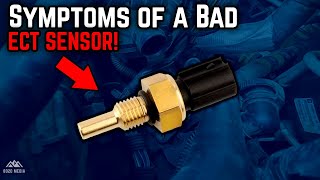
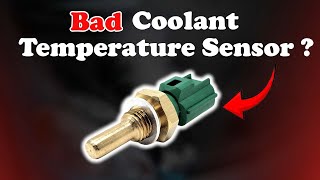
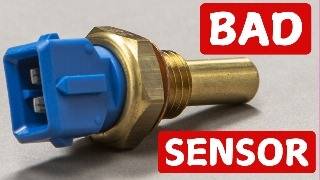
🎬 Watch this video for symptoms you shouldn't ignore.- Check Engine Light: This is often the first sign. The computer will detect a problem with the sensor's signal and trigger a warning light. Common trouble codes include P0117 (low input) and P0118 (high input).
- Poor Fuel Economy: If the sensor incorrectly tells the computer the engine is cold, the computer will enrich the fuel mixture, causing the engine to use more gas than necessary.
- Black Smoke from Exhaust: A very rich fuel mixture may not burn completely, leading to black smoke from the tailpipe.
- Engine Overheating: If the sensor fails to report that the engine is getting too hot, the cooling fans may not turn on when needed, leading to overheating.
- Rough Idling or Hard Starts: Incorrect fuel mixture adjustments can make the engine run poorly, especially at idle or during startup.
Don't Ignore an Overheating Engine
If you see the temperature gauge climbing into the red or notice steam from the engine, pull over immediately and shut off the car. Driving an overheating Viper can cause severe and expensive damage to the V10 engine.
Choosing the Right Aftermarket Sensor
For a part as critical yet inexpensive as the ECT sensor, quality matters. While an OEM Mopar part is always an option, several reputable aftermarket brands offer reliable alternatives that meet or exceed OEM specifications. Given the small price difference between budget and premium aftermarket parts, investing in a higher-quality sensor is a smart move for any Viper owner.
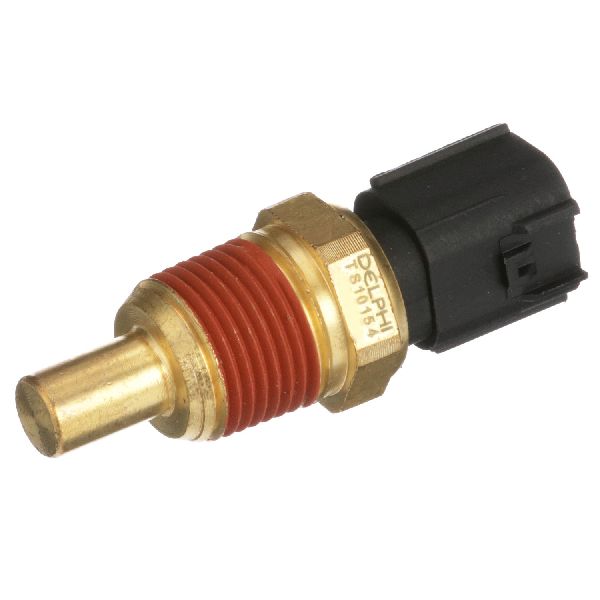
- Premium Brands (e.g., Delphi, NGK/NTK): These companies are often original equipment suppliers to major automakers. Their sensors are known for accuracy and durability, making them a top choice for a performance vehicle like the Viper.
- Quality Aftermarket Brands (e.g., Standard Ignition): Standard Motor Products (SMP) has a long history and is generally considered a reliable source for engine management parts. They offer a good balance of quality and value.
- Basic/Economy Brands (e.g., Global Parts, True Tech): While more affordable, these brands may have less consistent quality control. For a sensitive system on a Viper, it's generally recommended to spend a few extra dollars for a sensor from a more established brand.
Pro Tip: When replacing the sensor, it's also a good time to check your coolant's condition and level. Use only distilled water when mixing coolant concentrate to avoid mineral buildup in the cooling system.
Cost of Replacing the ECT Sensor
| Part Type | Estimated Cost |
|---|---|
| New Aftermarket Sensor | $15 - $31 |
| New OEM Mopar Sensor | $40 - $60 |
| Shop Labor | $100 - $150 |
Note: Costs are estimates and may vary based on location and supplier.
Frequently Asked Questions
Where is the ECT sensor located on a 2003-2007 Dodge Viper?
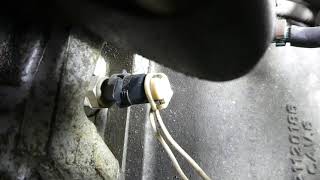
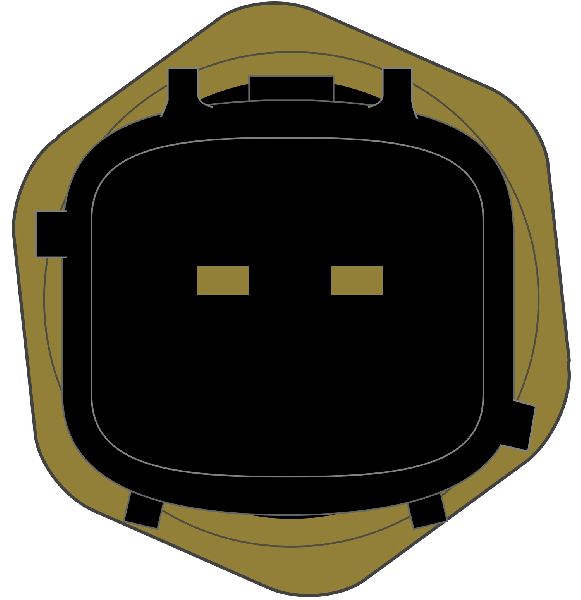
The ECT sensor is typically screwed into the engine block or cylinder head, near the thermostat housing. On the 8.3L V10, you will need to locate it on the engine to gain access 🎬 See a visual guide on locating the sensor. for replacement. It will have a two-wire electrical connector attached.
Do I need to drain the coolant to replace the ECT sensor?
Yes, you should partially drain the cooling system so the coolant level is below the sensor. If you are quick, you can swap the sensor with minimal coolant loss, but it's best to be prepared with a drain pan. Always top off the system with the correct type of coolant afterward.
Is there a recall for the ECT sensor on the 2003-2007 Viper?
No, there are no specific recalls or widespread technical service bulletins (TSBs) for the engine coolant temperature sensor on this generation of Dodge Viper. Recalls for this period were related to issues like the airbag control module.
Is this the same sensor that controls the temperature gauge on the dashboard?
On many vehicles, including some Vipers, there can be two separate sensors: one for the ECU (the ECT) and one for the dashboard gauge (a temperature sender). However, it is also common for a single sensor to provide information to both. If your gauge is behaving erratically, this sensor is the most likely cause.
🎬 Learn more about the top symptoms of a failing sensor.Helpful Videos
Technical Specifications
OEM Part Numbers: 56027873AB
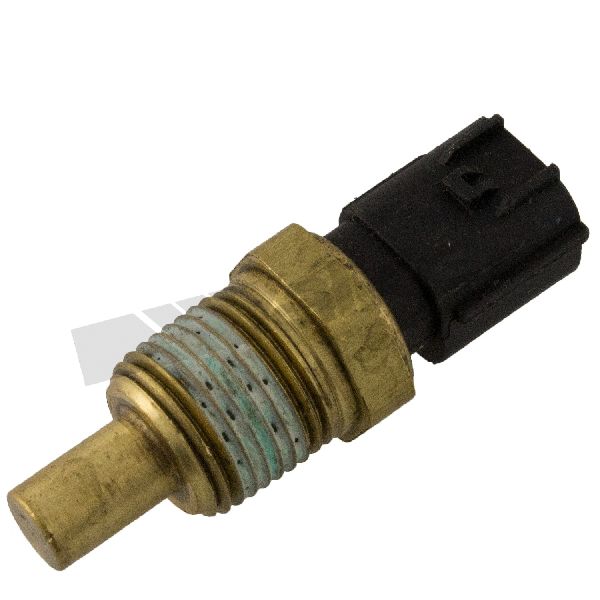
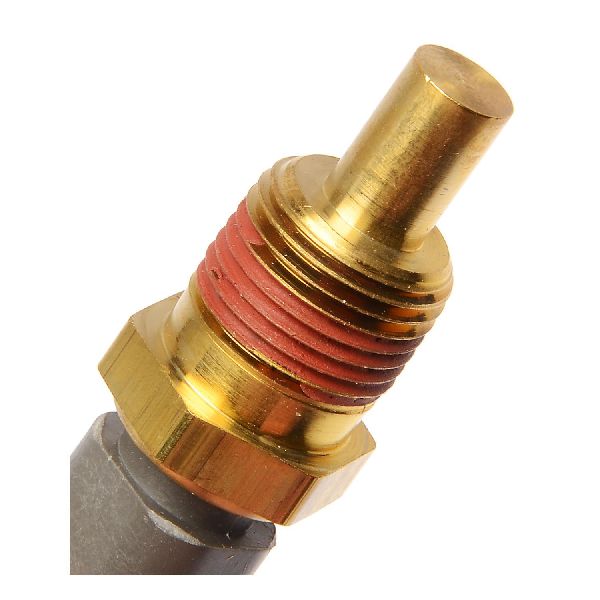
Two-pin, threaded sensor that measures coolant temperature via electrical resistance.
We Have This Part in Stock


The information in this article is provided for general reference and educational purposes only. Vehicle specifications, procedures, and part compatibility can vary by production date, trim level, and region. Always consult your vehicle's factory service manual and verify part numbers before purchasing or performing repairs. Safety-critical components such as airbags, seat belts, and braking systems should be installed by a qualified professional.
- Dodge Viper: