

Honda CR-V Engine Coolant Thermostat Guide (2003-2007)
Keep your CR-V's K24A1 engine from overheating or running too cold by understanding its thermostat.
- A failing thermostat is a common cause of the P0128 check engine code on the 2003-2007 CR-V.
- Using a genuine OEM (Honda Part #19301-PNA-003) or an OEM-supplier brand like Gates is highly recommended to avoid compatibility issues.
- If your engine is overheating, stop driving immediately. If it's running too cool (stuck open), you can drive but should get it repaired soon to avoid poor fuel economy and other issues.
- Always replace the thermostat gasket and bleed the cooling system properly after replacement to prevent leaks and air pockets.
Is Your CR-V's Thermostat Failing?

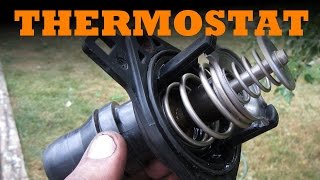
A thermostat is a simple part, but its failure can cause serious problems. For the 2003-2007 CR-V, thermostats most often fail in two ways: stuck open or stuck closed. A stuck-closed thermostat is critical, as it will cause rapid overheating and can lead to severe engine damage. A thermostat stuck open is more common and less immediately dangerous, but it will prevent your engine from reaching the proper temperature, hurting fuel economy and triggering a check engine light.
Symptoms of a Bad Thermostat

- Overheating: The temperature gauge climbs into the red. This is the most serious symptom, caused by a thermostat stuck closed.
- Engine Takes Too Long to Warm Up: If your temperature gauge stays low for an unusually long time, or your heater blows cool air, the thermostat may be stuck open.
- Check Engine Light: A common code for a stuck-open thermostat is P0128 (Coolant Temperature Below Thermostat Regulating Temperature). This means the engine isn't getting hot enough, fast enough.
- Erratic Temperature Gauge: The needle may swing from cool to hot, indicating the thermostat is struggling to regulate temperature.
OEM vs. Aftermarket: A Word of Caution
For many parts, aftermarket is a great choice. However, with Honda cooling systems, it's often best to stick with high-quality parts. Many owners report that using cheap, non-OEM thermostats can cause the P0128 check engine light to persist even after replacement. The genuine Honda thermostat, made by Nippon Thermostat, is designed for the precise temperature regulation your CR-V's computer expects. If you choose aftermarket, select a brand known for being an OEM supplier, like Gates or a correctly specified Beck Arnley part.
Choosing the Right Aftermarket Thermostat

Given the inventory price range of $15.76 - $91.95, you'll find different tiers of quality. Here’s how to choose:
- Tier 1 - OEM Equivalent: Brands like Beck Arnley and Gates often supply parts that meet or exceed original specifications. They are a reliable choice for a direct replacement without paying dealership prices. For Hondas, an OEM-spec part is highly recommended to avoid issues.
- Tier 2 - Standard Aftermarket: Brands like Calorstat and Facet offer a budget-friendly solution. These can be effective, but be aware of the potential for temperature regulation issues or shorter lifespan compared to top-tier parts.
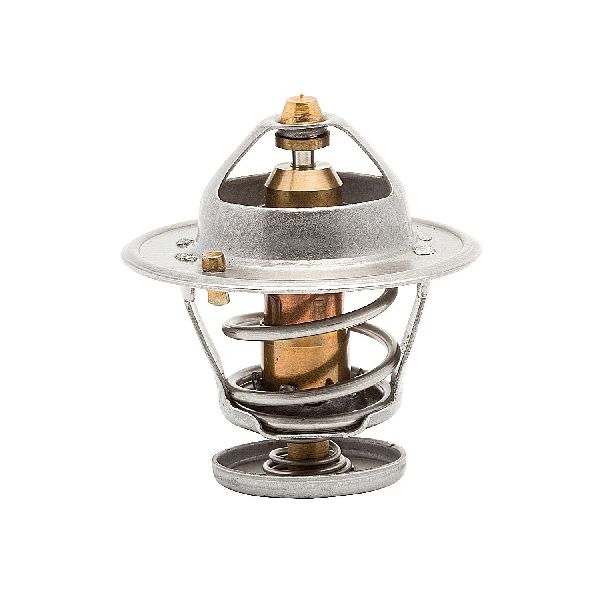
- Tier 3 - Performance: A brand like Mishimoto offers racing thermostats that open at a lower temperature. This is not recommended for a daily-driven CR-V. It can prevent the engine from reaching optimal temperature, leading to poor fuel economy, increased engine wear, and a persistent check engine light.
Pro Tip: Replace the Gasket
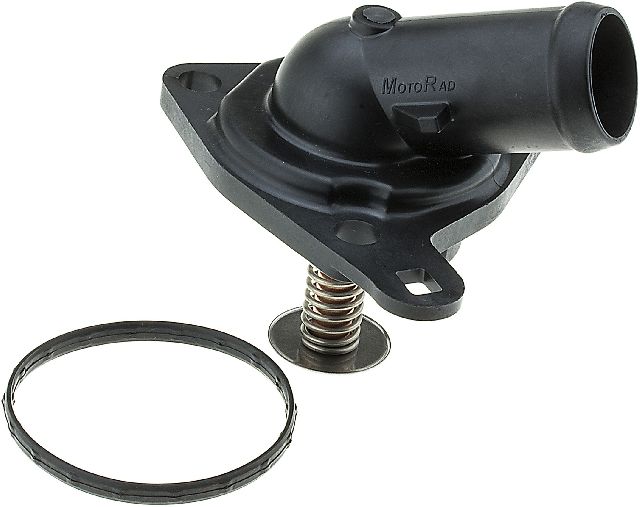
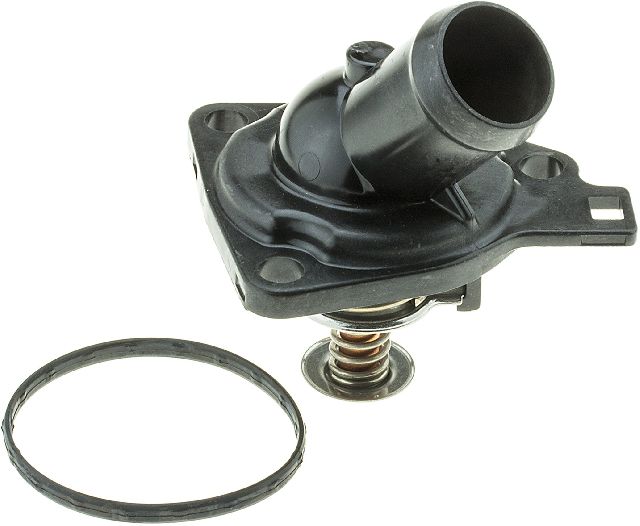
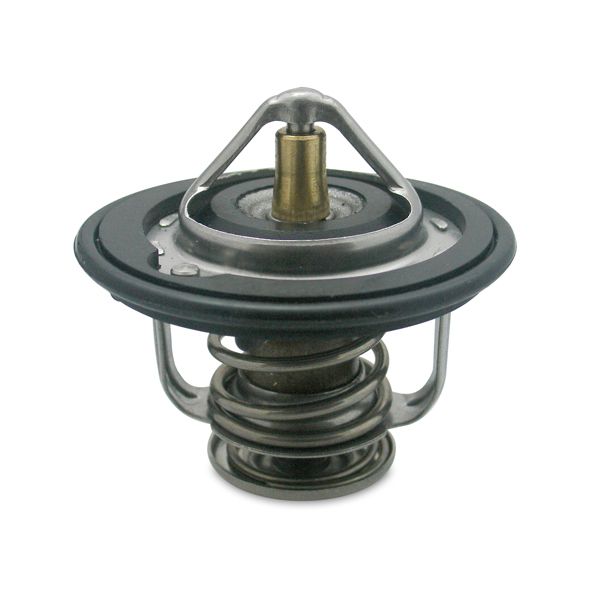
Always replace the thermostat gasket or O-ring when you replace the thermostat. It's a cheap part that ensures a leak-free seal. Many thermostat kits include a new gasket. The OEM part number for the thermostat assembly, which includes the gasket, is 19301-PNA-003.
Cost to Replace a 2003-2007 Honda CR-V Thermostat

| Part Type | Estimated Cost |
|---|---|
| New Aftermarket Thermostat | $15 - $92 |
| New OEM Thermostat | $90 - $135 |
| Shop Labor | $115 - $170 |
| Total Professional Replacement | $312 - $580 (Varies by year and location) |
Frequently Asked Questions
Is there a recall on the 2003-2007 CR-V thermostat?
No. Searches of the National Highway Traffic Safety Administration (NHTSA) database show no recalls for the engine coolant thermostat on the 2003-2007 Honda CR-V. Recalls for this generation primarily concern airbags and frame corrosion in salt-belt states.
What is a P0128 code on my Honda CR-V?
The P0128 code means the engine's coolant temperature is below the expected regulating temperature. In simple terms, the engine isn't warming up as it should. The most common cause for this on a CR-V is a thermostat that is stuck open. While a faulty coolant temperature sensor can also cause this, the thermostat is the more likely culprit.
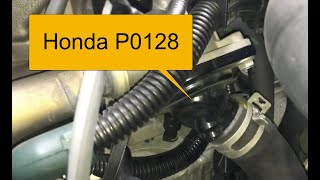
🎬 See how to diagnose and fix a P0128 code.Can I replace the CR-V thermostat myself?
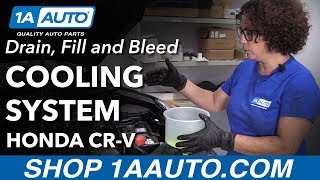
Yes, this is a DIY-feasible job for someone with basic mechanical skills. The thermostat is located on the engine block, where the lower radiator hose connects. The job involves draining some coolant, removing three bolts on the housing, swapping the part, and then refilling and bleeding air from the cooling system. 🎬 Learn how to properly drain, fill, and bleed your coolant. The most difficult part is often accessing the bolts.
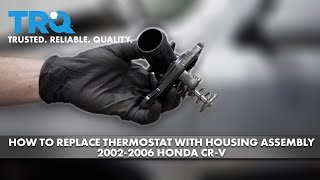
🎬 Watch this step-by-step guide to replacing the thermostat housing.What is the correct thermostat temperature for my CR-V?
The standard OEM thermostat for the K24A1 engine in the 2003-2007 CR-V is designed to open around 78°C (172°F). Using a thermostat with a different temperature rating, especially a lower one, is not recommended for stock vehicles as it can cause check engine lights and inefficient operation.
Helpful Videos
Technical Specifications
OEM Part Numbers: 19301-PNA-003
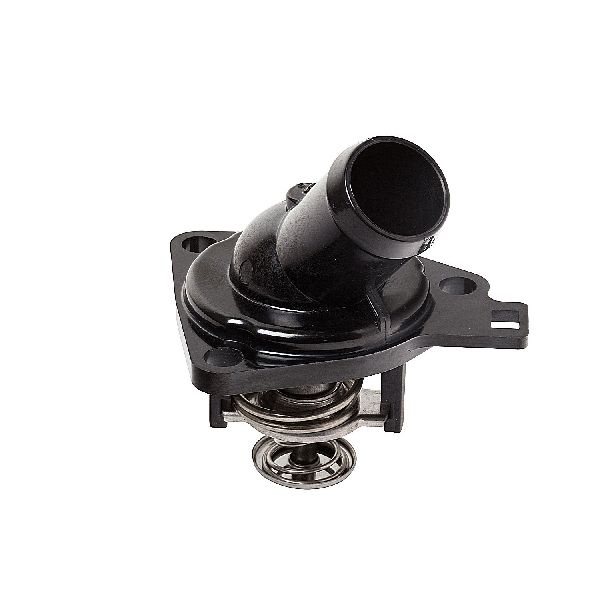
Standard opening temperature: ~78°C (172°F). The thermostat for this model is a unitized assembly that includes the housing and gasket.
We Have This Part in Stock


The information in this article is provided for general reference and educational purposes only. Vehicle specifications, procedures, and part compatibility can vary by production date, trim level, and region. Always consult your vehicle's factory service manual and verify part numbers before purchasing or performing repairs. Safety-critical components such as airbags, seat belts, and braking systems should be installed by a qualified professional.
- Honda CR-V: