

2003-2007 Honda Pilot Ignition Switch: Problems and Replacement
If your Pilot won't start, stalls, or has flickering dash lights, the ignition switch could be the problem.
- A faulty ignition switch can cause no-start conditions or dangerous stalling while driving.
- Check for open safety recalls on your Pilot's VIN before buying parts, as a recall for 2003-2004 models may cover your issue.
- Replacing only the electrical switch does not require key reprogramming.
- A quality aftermarket switch from a brand like Standard Ignition is a reliable and cost-effective repair solution.
Common Failure Symptoms

A failing ignition switch in a 2003-2007 Honda Pilot can mimic other problems, like a bad battery or starter. The key is to watch for electrical issues that happen when you turn the key. The most common signs include the engine not starting at all, stalling unexpectedly while driving, or intermittent starting problems where it works one day and not the next.
Safety Recall Information
Honda issued a major safety recall for 2003-2004 Pilots concerning the ignition system (NHTSA Campaign ID: 12V573000). The issue involved a faulty interlock lever that could allow the key to be removed when the transmission was not in Park, creating a rollaway risk. The fix involved dealers installing an updated lever and, if needed, replacing parts of the ignition switch at no cost. Before purchasing any parts, check if your vehicle has an open recall by entering your VIN on the NHTSA website.
Diagnosing the Issue: Lock Cylinder vs. Ignition Switch

It's important to know if your problem is the mechanical lock cylinder or the electrical ignition switch. If your key is physically hard to insert or turn, or it gets stuck, the problem is likely the lock cylinder wafers. If the key turns fine but the car won't start, stalls, or electrical accessories act up, the electrical ignition switch is the more likely culprit. This guide focuses on replacing the electrical switch.
Choosing the Right Aftermarket Part

While you can buy an OEM (Original Equipment Manufacturer) part from a Honda dealer, a high-quality aftermarket part is a smart and cost-effective choice for this repair. Given the recall history of the original part, aftermarket manufacturers like Standard Ignition (Standard Motor Products) have had the opportunity to produce reliable replacements. These parts are designed to meet or exceed original specifications and offer excellent value.
Pro Tip: When replacing only the electrical ignition switch, you do not need to replace your keys or reprogram the immobilizer. Your original keys will continue to work perfectly, as the security chip communicates with a separate part (the immobilizer receiver) around the lock cylinder.
Replacement Cost
The cost to replace the ignition switch varies by who does the work. The aftermarket part itself is quite affordable.
| Part/Service | Estimated Cost |
|---|---|
| New Aftermarket Ignition Switch | $95 - $99 |
| New OEM Ignition Switch | $120 - $180 |
| Shop Labor | $100 - $150 |
| Total (DIY) | $95 - $99 |
| Total (Installed at Shop) | $195 - $249 |
Frequently Asked Questions (FAQ)

Do I need to reprogram my keys after replacing the ignition switch?
No. The ignition switch is purely an electrical component. The security immobilizer system that reads the chip in your key is a separate part, so your original keys will work without any reprogramming.
Is this a difficult repair to do myself?
For a DIYer with basic tools, this is a manageable job. It involves removing the plastic covers around the steering column and a few screws holding the switch. The main challenges are working in a tight space and carefully unplugging electrical connectors. Most people can complete it in about an hour.
What's the difference between the ignition switch and the lock cylinder?
The lock cylinder is the mechanical part your key slides into. The ignition switch is the electrical part behind it that sends power to the vehicle's systems when you turn the key. If your key is physically stuck, the problem is the cylinder; if the key turns but nothing happens or the car stalls, it's likely the switch.
My key can be removed when the car isn't in Park. Is that related?
Yes, this was the exact reason for a safety recall on 2003-2004 Honda Pilots. This specific problem is caused by a worn interlock mechanism connected to the ignition assembly. You should have this addressed by a dealer under the recall campaign.
Helpful Videos



Technical Specifications
OEM Part Numbers: 35130-S9V-A01
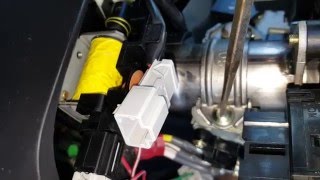
The ignition switch for the 2003-2007 Honda Pilot is the electrical component mounted to the back of the ignition lock housing. It typically features a multi-pin rectangular connector that distributes power to the vehicle's main electrical circuits upon the turn of the key.
We Have This Part in Stock


The information in this article is provided for general reference and educational purposes only. Vehicle specifications, procedures, and part compatibility can vary by production date, trim level, and region. Always consult your vehicle's factory service manual and verify part numbers before purchasing or performing repairs. Safety-critical components such as airbags, seat belts, and braking systems should be installed by a qualified professional.
- Honda Pilot: