

Mercury Montego Engine Mount Guide: 2005-2007
Experiencing vibration or clunking noises in your Montego? It's likely a sign of a failing engine mount.
- The most common symptom is vibration at idle; the most common failure is the upper torque strut mount bushing.
- The Montego uses multiple mounts; it's wise to replace them in sets to prevent future failures and save on labor.
- Aftermarket brands like Anchor, DEA, and Westar are budget-friendly, but may not last as long as OEM or premium aftermarket options.
- While the upper mount is DIY-friendly, the rear mount is very difficult to access and will significantly increase professional labor costs.
Is Your Montego Shaking or Making Noise?
A smooth ride is one of the key features of the Mercury Montego. When you start feeling new vibrations through the steering wheel, floor, or seats, especially when idling in gear, it's a strong sign that your engine mounts are worn. These parts are designed to fail over time as the rubber degrades and the internal fluid leaks out.
Symptoms of a Bad Engine Mount
- Excessive Vibration: A noticeable vibration at idle, particularly when the transmission is in "Drive" or "Reverse," is the most common symptom.
- Clunking or Thumping Noises: You might hear a loud clunk when you shift gears from Park to Drive or during acceleration. This is the sound of the engine shifting and hitting its limits.
- Visible Engine Movement: If you have a helper, you can observe the engine while they shift the car between Drive and Reverse with the brake held firmly. Excessive rocking or lurching of the engine indicates a bad mount.
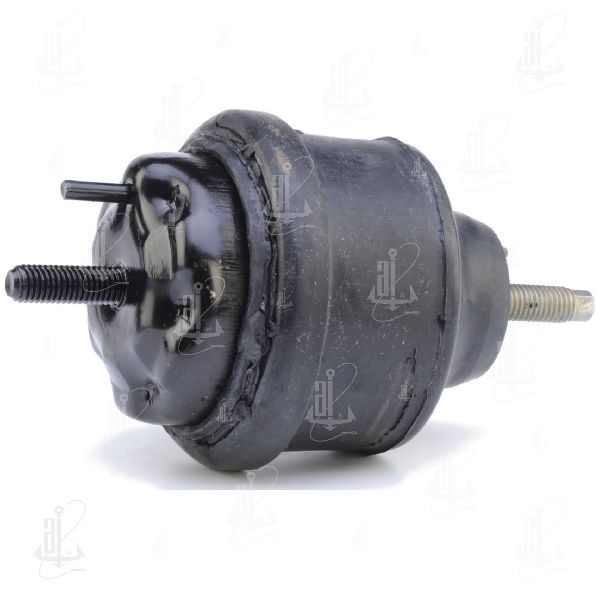
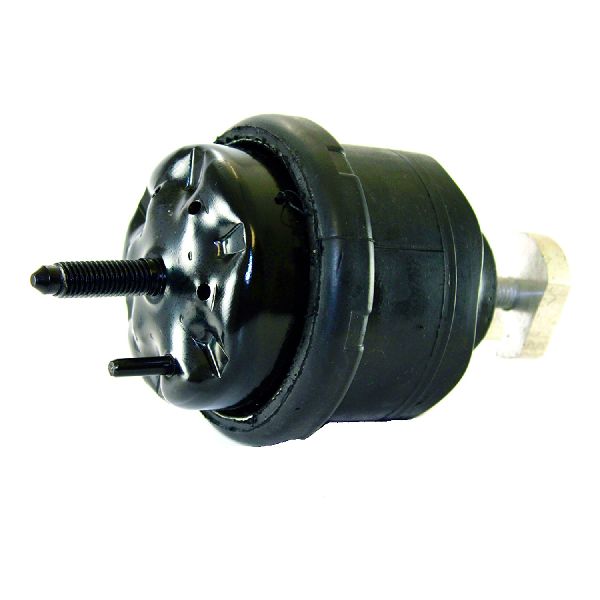
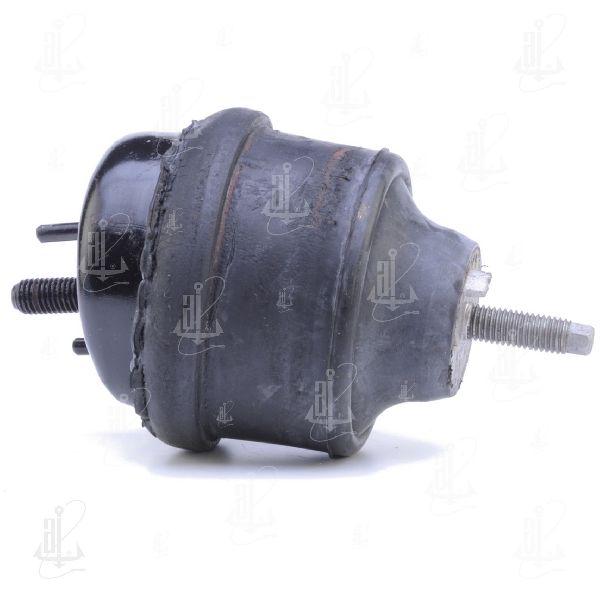
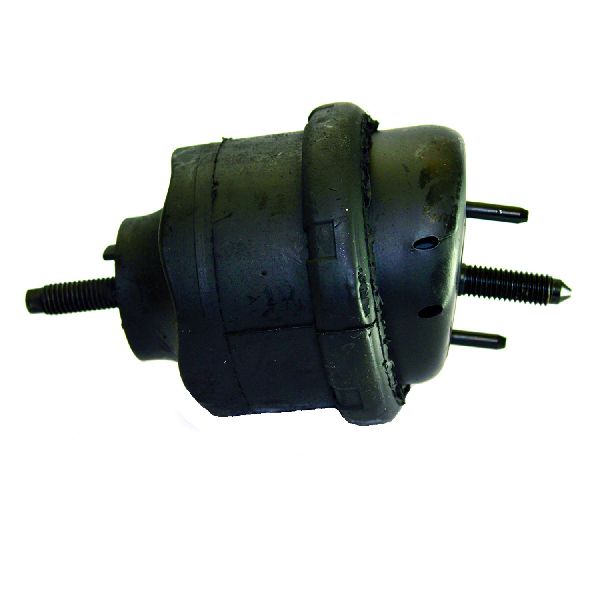
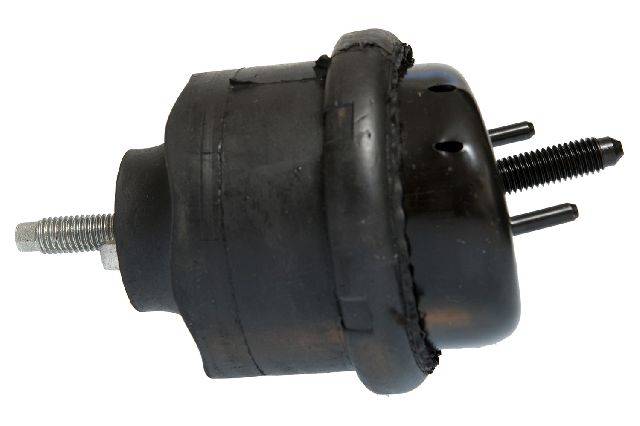
- Leaking Fluid: The main load-bearing mounts on the Montego are hydraulic. If you see dark, oily fluid dripping from a mount, it has failed and needs immediate replacement.
Known Issue: Upper Torque Strut Mount
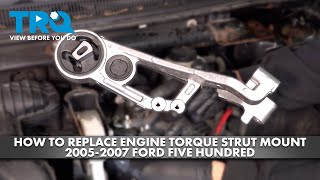
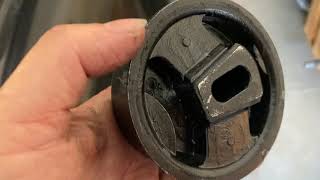
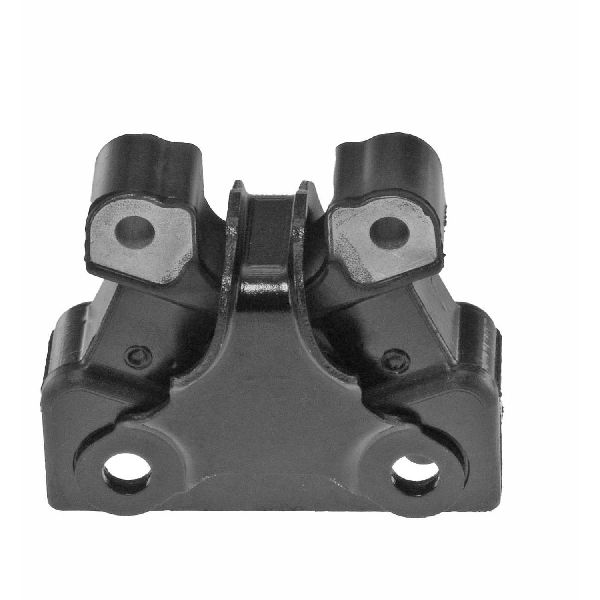
The upper engine mount, often called a "torque strut" or "dog bone," is a very common failure point on the 2005-2007 Montego and its Ford Five Hundred sibling. The rubber bushing in this mount often cracks and falls apart, causing significant engine movement. This is often the first mount to fail and is relatively easy to inspect and replace.
🎬 Watch: Step-by-step guide to replacing the upper torque strut mount.Choosing the Right Aftermarket Mount
When replacing engine mounts, you have a choice between original equipment (OEM) and aftermarket parts. For a vehicle like the Montego, aftermarket mounts offer significant cost savings. However, quality can vary between brands.
Based on mechanic feedback and owner experiences, aftermarket brands for this platform can be grouped into tiers:
- Standard Economy (Anchor, DEA, Westar): These brands are widely available and very affordable. They are a practical choice for budget-conscious repairs. However, some users report they may not last as long or absorb vibrations as effectively as OEM parts.
- Higher-Quality Aftermarket (Pioneer): Some forum discussions suggest that brands like Pioneer may offer quality closer to the original factory parts, providing a good balance of price and performance.
Pro Tip: Replace Mounts in Sets
Your Montego has a system of 3 to 5 mounts and torque struts working together. When one mount fails, it puts extra stress on the others, causing them to wear out faster. For the best results and to avoid future labor costs, it is often recommended to replace the mounts in a set, or at least replace the main load-bearing mounts at the same time.
Estimated Replacement Costs
The cost to replace an engine mount can vary widely based on which mount needs service. The rear mount, for example, is known to be extremely difficult and time-consuming to replace, driving up labor costs significantly.
| Part/Service | Estimated Cost |
|---|---|
| New Aftermarket Mount (Single) | $54.44 - $89.50 |
| New OEM Mount (Single) | $303 |
| Shop Labor (per mount) | $415 - $609 |
| Total Professional Job (Single Mount, Aftermarket) | $470 - $700 |
| Total Professional Job (Single Mount, OEM) | $718 - $911 |
Cost estimates are for a single mount and can vary by location and the specific mount being replaced. The rear mount will be at the high end of the labor estimate, or potentially exceed it.
Frequently Asked Questions
How many engine mounts does my 2006 Mercury Montego have?
The 3.0L V6 engine in the Montego uses a system of mounts, not just one. This typically includes a front mount, a rear mount, a left (transmission) mount, and one or two upper torque struts to control engine movement. Kits are often sold with 4 or 5 pieces to service the entire system.
Can I do this replacement myself (DIY)?
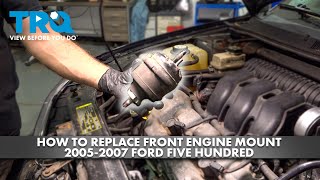
It depends on the mount. The upper torque strut mount is a relatively simple job that many DIYers can handle with basic tools. The front mount is also feasible for an experienced DIYer. 🎬 See this walkthrough for replacing the front engine mount. However, the rear mount is known to be very difficult, requiring extensive work and potentially a vehicle lift to access. For the rear mount, professional installation is strongly recommended.
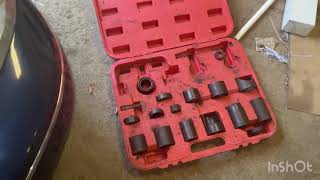
🎬 Watch: See why the rear engine mount is so difficult.Should I buy a solid rubber or hydraulic mount?
You should replace the mount with the same type that was originally equipped. The main weight-bearing mounts for the Montego are hydraulic (fluid-filled) to provide a smoother, quieter ride. Using a solid rubber mount in its place will likely cause a noticeable increase in cabin vibration. The torque struts are typically solid rubber from the factory.
Are there any recalls for Montego engine mounts?
No. While there have been recalls for other issues on the 2005-2007 Montego, such as fuel tank straps and door latches, there have been no safety recalls issued by the NHTSA for engine mounts on this vehicle.
Helpful Videos
Technical Specifications
OEM Part Numbers: 5F9Z-6068-BA
The 2005-2007 Mercury Montego uses a system of hydraulic engine mounts and solid rubber torque struts. The main mounts are fluid-filled to dampen vibration. The system is shared with the Ford Five Hundred and Ford Freestyle.
We Have This Part in Stock

The information in this article is provided for general reference and educational purposes only. Vehicle specifications, procedures, and part compatibility can vary by production date, trim level, and region. Always consult your vehicle's factory service manual and verify part numbers before purchasing or performing repairs. Safety-critical components such as airbags, seat belts, and braking systems should be installed by a qualified professional.
- Mercury Montego: