

Porsche Cayenne (2003-2007) Ignition Knock Sensor: A Comprehensive Guide
Understanding knock sensor failure and choosing the right replacement for your first-generation Cayenne.
- A bad knock sensor will cause a check engine light and significant loss of power.
- The root cause is often brittle wiring or a bad connector, not just the sensor itself.
- Due to extensive labor, replace all sensors at once and use a high-quality brand like Bosch.
- This is a complex job best left to a professional mechanic familiar with Porsche vehicles.
Symptoms of a Failing Knock Sensor
A bad knock sensor on a 2003-2007 Cayenne will almost always trigger the Check Engine Light. You will also notice significant performance issues. When the sensor fails, the engine's computer defaults to a 'safe' mode, which retards ignition timing to prevent potential damage. This results in noticeably sluggish acceleration, poor throttle response, and reduced overall power. Some owners describe the feeling as the engine being 'sluggish' and the transmission shifting poorly as a result. In some cases, particularly on Turbo models, the vehicle may enter a "reduced power mode."
Wiring and Connector Issues
On the first-generation Cayenne, the knock sensor wiring is a common point of failure. Located deep in the 'V' of the engine, the wiring harness is exposed to extreme heat, which can make the insulation brittle and cause it to crack over time. Coolant leaks from the plastic pipes in the same area can also flood the sensors and their connectors, causing short circuits or bad connections. Often, a knock sensor fault code is caused by a bad wire or connector, not the sensor itself. It is crucial to inspect the wiring harness thoroughly during replacement.
Choosing the Right Aftermarket Knock Sensor
When replacing a knock sensor on your Cayenne, you have a choice between OEM and several aftermarket brands. Given the critical function of this part and the difficult installation, this is not a part where you want to cut corners.
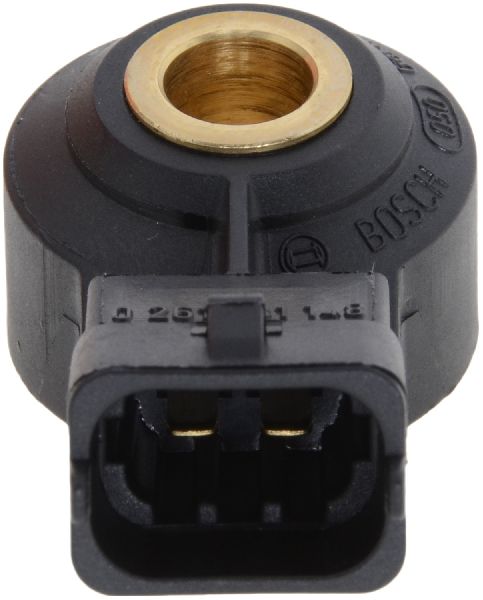
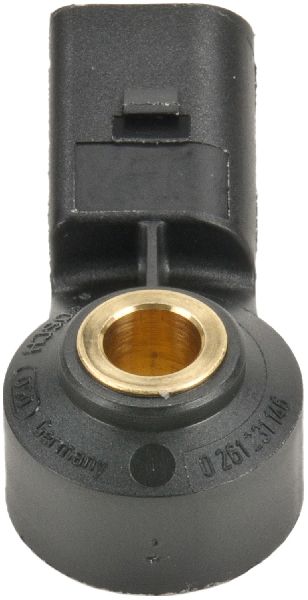
- Top Tier (OEM Equivalent): Bosch is widely considered the original equipment manufacturer (OEM) for Porsche for these sensors. Choosing a Bosch sensor is the safest bet for ensuring proper function, fit, and longevity. Forum users who have used Bosch replacements report a return to normal engine performance.
- Mid-Tier: Brands like Vemo, Standard Ignition (SMP), and Facet are established aftermarket manufacturers. While they may offer a cost saving, their long-term performance and sensitivity on a high-performance engine like the Cayenne's can be a gamble. Some owners try to save money here, only to do the job twice when a persistent code returns.
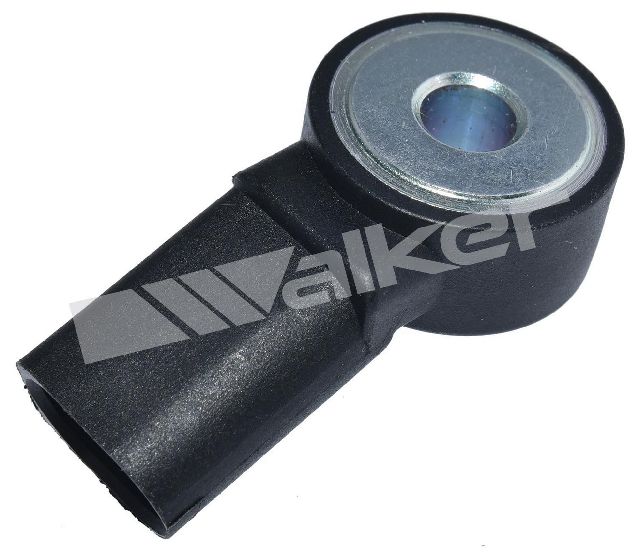
- Economy Tier: Lower-cost brands like Walker Products and Global Parts are available but are generally not recommended for this specific application. The labor to access the sensors is extensive, making it unwise to risk using a part that might fail prematurely.
Pro Tip: Replace in Sets
The knock sensors are located under the intake manifold, a location that requires several hours of labor to access. Because of the high-effort replacement, it is strongly recommended to replace all sensors (four on V8 models) at the same time, even if only one has failed. You should also replace the single-use mounting bolts and ensure they are torqued to the precise specification (23Nm or 17 ft/lbs), as incorrect torque can lead to false readings.
Cost of Replacing a 2003-2007 Porsche Cayenne Knock Sensor
| Item | Estimated Cost |
|---|---|
| New Aftermarket Part (per sensor) | $37.86 - $83.97 |
| Shop Labor | $420 - $616 |
| Total Professional Replacement (Parts & Labor) | $620 - $867 |
Cost estimates are for the part and labor to replace the sensors and do not include taxes, fees, or costs for related repairs like replacing the intake manifold gaskets or coolant pipes, which is common to do at the same time.
Frequently Asked Questions
Where are the knock sensors located on a 2003-2007 Cayenne?
On V8 models (Cayenne S, Turbo), there are four knock sensors located deep in the valley of the engine, underneath the intake manifold. Accessing them requires removing the intake manifold, fuel rail, and for the rear sensors, the starter motor. On V6 models, there are two sensors, also under the intake manifold.
Is this a DIY job?
This is an advanced DIY job. While the sensors themselves are simple to unbolt, getting to them is complex. It requires removing the intake manifold and fuel rail, and draining some coolant. The bolts are single-use and must be torqued correctly with a special torque wrench. Due to the complexity and potential for causing other issues, most owners should leave this job to a professional mechanic experienced with Porsches.
Are there any recalls or TSBs for Cayenne knock sensors?
There are no specific recalls or Technical Service Bulletins (TSBs) for the knock sensors themselves on the 2003-2007 Porsche Cayenne. However, there was a recall for a cracking fuel filter flange on these models which could cause a fuel leak in the engine bay.
Should I replace the wiring harness at the same time?
It is highly recommended. The wiring harness in the engine valley is prone to becoming brittle and cracking from heat. Since you have already done the labor to access the area, replacing the harness pigtails or repairing any damaged sections is a wise investment to prevent having to do the job again.
Technical Specifications
OEM Part Numbers: 95560612510 95560612521
V8 engines use four sensors; V6 engines use two. The sensors are located under the intake manifold. Replacement bolts are single-use and require a specific torque of 23Nm (17 ft/lbs).
We Have This Part in Stock


The information in this article is provided for general reference and educational purposes only. Vehicle specifications, procedures, and part compatibility can vary by production date, trim level, and region. Always consult your vehicle's factory service manual and verify part numbers before purchasing or performing repairs. Safety-critical components such as airbags, seat belts, and braking systems should be installed by a qualified professional.
- Porsche Cayenne: