

Porsche Cayenne 2003-2007 Oxygen Sensor: A Complete Guide
Keep your Cayenne's V8 or VR6 engine running smoothly by understanding its oxygen sensors.
- Bosch is the original equipment manufacturer (OEM); using Bosch or other top-tier brands like Denso or NGK is highly recommended for this vehicle.
- Replacement is a very difficult job on V8 models (S and Turbo) due to extremely tight access, making labor costs high.
- Symptoms of failure include a Check Engine Light, poor gas mileage, rough idle, and a 'rotten egg' smell from the exhaust.
- Your Cayenne has four sensors; it's wise to replace them in pairs (both upstream or both downstream) if the vehicle has high mileage.
Symptoms of a Failing Oxygen Sensor
A bad oxygen sensor can cause noticeable problems with your Cayenne. When a sensor fails, the engine's computer often defaults to a 'rich' fuel mixture to be safe, which means it uses more fuel than necessary. This can lead to several issues.
Common Failure Symptoms
- Check Engine Light: This is the most common sign. A code scan will often point to a specific sensor circuit, like P0130 or P0150.
- Poor Fuel Economy: Since the engine may be running rich, you'll find yourself filling up the gas tank more often.
- Rough Idle and Misfires: The engine may run unevenly, shake, or misfire because the air-fuel mixture is incorrect.
- Reduced Power: Your Cayenne may feel sluggish or accelerate slowly.
- Failed Emissions Test: A faulty sensor can cause your vehicle to fail a smog check.
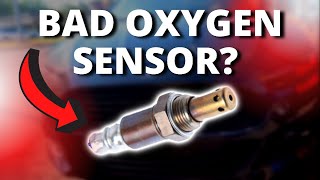
- Rotten Egg Smell: A strong sulfur smell from the exhaust can indicate a bad fuel mixture, which may damage the catalytic converter over time. 🎬 Watch: A visual guide to common bad oxygen sensor symptoms.
Choosing the Right Aftermarket Oxygen Sensor
When replacing an oxygen sensor on a Porsche, the quality of the part matters. While saving money is tempting, a cheap, low-quality sensor can fail quickly or provide inaccurate readings, causing the same problems to return. It is highly recommended to use the original equipment (OE) brand or a reputable OE-equivalent brand.
Brand Quality Tiers for Porsche Cayenne
Tier 1: OE / Premium Aftermarket
- Bosch: Bosch is the original equipment manufacturer (OEM) for the 2003-2007 Porsche Cayenne. Choosing a Bosch sensor is the safest bet for a direct, reliable replacement that will perform exactly like the factory part.
- Denso / NGK (NTK): These brands are major suppliers to many automakers and are known for their high-quality sensors that meet or exceed OE specifications. They are excellent alternatives to Bosch if you find a part that matches your specific Cayenne model. Forum members often report good results with these brands.
Tier 2: Standard Aftermarket
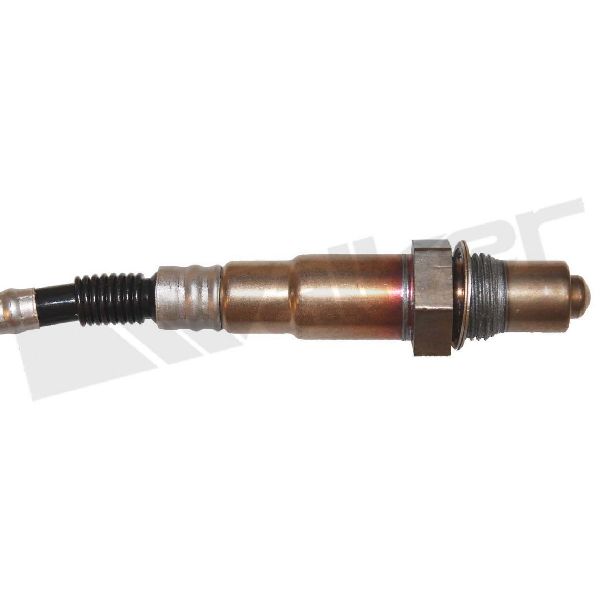
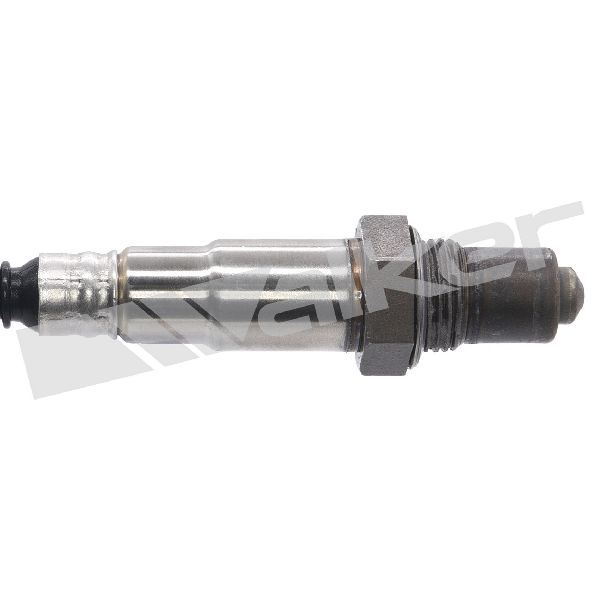
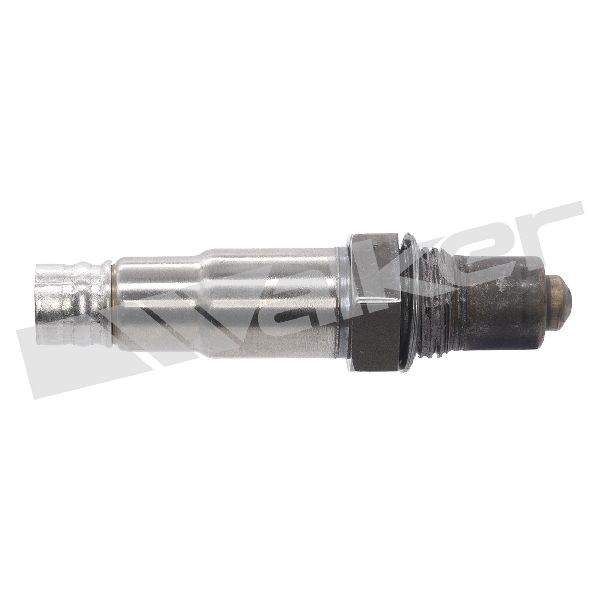
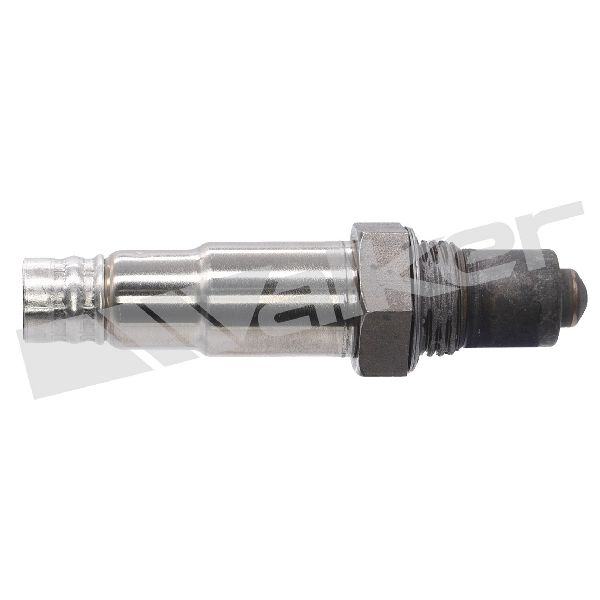
- Delphi, Walker Products, Spectra: These brands offer a more budget-friendly option. While they can be a viable choice, be aware that for a sensitive vehicle like a Porsche, sticking closer to the OE specifications is generally a better long-term strategy. Some owners have used Walker sensors with success, but the consensus in the Porsche community leans toward Bosch.
Pro Tip: Always replace a failing sensor with one of the same type. The upstream sensors (air-fuel ratio sensors) and downstream sensors (monitoring sensors) are different and not interchangeable. The connectors are often color-coded or keyed to prevent mistakes.
Replacement Cost
The cost to replace oxygen sensors can vary significantly based on the parts you choose and whether you do the work yourself. The labor cost is high because the sensors, especially on V8 models (Cayenne S and Turbo), are in extremely tight spaces.
| Item | Estimated Cost |
|---|---|
| New Aftermarket Oxygen Sensor (per sensor) | $46 - $183 |
| Shop Labor (per sensor) | $150 - $400+ |
| Total Professional Replacement (per sensor) | $196 - $583+ |
Note: Costs are estimates and can vary by location and vehicle model (V6 vs. V8). Dealer replacement can exceed $1000 for a pair.
Frequently Asked Questions
How many oxygen sensors does my 2003-2007 Cayenne have?
All 2003-2007 Cayenne models (Base, S, Turbo) have four oxygen sensors: two upstream (before the catalytic converters) and two downstream (after the catalytic converters).
Can I replace just one bad oxygen sensor?
Yes, you can replace only the one that has failed. However, oxygen sensors age and wear out over time. If your Cayenne has high mileage (over 80,000 miles), it's often recommended to replace them in pairs (e.g., both upstream sensors) to ensure balanced performance. If one has failed, another may not be far behind.
Is replacing the oxygen sensors a DIY job?
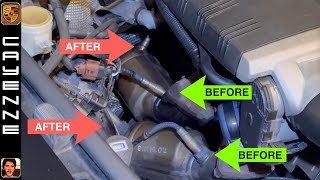
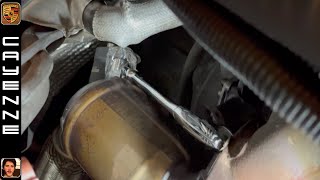
This is a very challenging DIY job, especially on the V8 models (Cayenne S, Turbo). The sensors are located in very tight spaces, and access is extremely limited, sometimes requiring a mirror to even see them. Special tools like a 22mm offset wrench or an oxygen sensor socket are required. On Turbo models, the catalytic converters may need to be removed to access the sensors. The V6 Base model offers slightly better access.
🎬 See this walkthrough for replacing sensors on V6 models.What are the common error codes for a bad oxygen sensor?
Common codes include P0130 (Bank 1 Sensor 1 Circuit Malfunction) and P0150 (Bank 2 Sensor 1 Circuit Malfunction). You may also see codes related to heater circuit issues or slow sensor response. A proper OBD-II scan is necessary to identify the specific sensor that is failing.
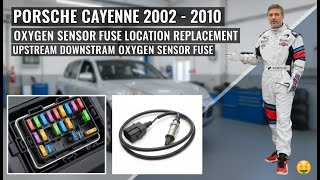
🎬 Check this guide to find your O2 sensor fuses.Are there any recalls for the oxygen sensors on my Cayenne?
No, there are no specific recalls issued by the NHTSA for oxygen sensor failure on the 2003-2007 Porsche Cayenne.
Helpful Videos
Technical Specifications
OEM Part Numbers: 958-606-172-10 958-606-172-11 958-906-262-F
Total Number of Sensors: 4 (2 upstream, 2 downstream). Wrench Size: 22mm. Torque Specification: 40-50 Nm (30-37 ft-lbs).
We Have This Part in Stock


The information in this article is provided for general reference and educational purposes only. Vehicle specifications, procedures, and part compatibility can vary by production date, trim level, and region. Always consult your vehicle's factory service manual and verify part numbers before purchasing or performing repairs. Safety-critical components such as airbags, seat belts, and braking systems should be installed by a qualified professional.
- Porsche Cayenne: