

Saturn Ion Transmission Oil Cooler Guide (2003-2007)
Keep your Saturn Ion's automatic transmission from overheating by understanding its oil cooler.
- The most common failure is not the cooler itself, but the metal lines that rust and leak.
- A fluid leak is a critical issue. Driving with low transmission fluid will destroy the transmission.
- Aftermarket coolers are the standard repair and are much cheaper than replacing the entire radiator.
- Use DEXRON-VI transmission fluid when refilling the system after the repair.
Is Your Transmission Overheating? Common Symptoms
A failing transmission cooler can cause serious and expensive damage. Look for these warning signs. If you see them, you should stop driving as soon as it is safe to do so.
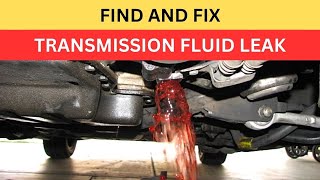
- Red or Brown Fluid Leaks: This is the most common sign. You might see reddish fluid on the ground under the front of your car. 🎬 Watch: How to identify and fix transmission fluid leaks The cooler lines on the Ion are known to rust and leak, especially at the connections to the radiator.
- Burning Smell: If the transmission fluid gets too hot, it can burn. This creates a sharp, unpleasant smell you might notice while driving or after you park.
- Slipping or Rough Shifting: When the fluid is too hot or low from a leak, the transmission can have trouble shifting gears. You might feel the engine rev up, but the car doesn't speed up right away.
- Warning Lights: A check engine light can come on. A common code is P0700, which means the transmission control module has detected a problem.
Known Issues for the 2003-2007 Saturn Ion
The main issue with the Saturn Ion's transmission cooling system isn't usually the cooler inside the radiator, but the metal lines that connect to it. Over time, these lines can rust and develop leaks. The fittings that connect the lines to the radiator can also seize up with rust. 🎬 See this walkthrough for replacing rusted transmission lines This makes them very difficult to remove. Sometimes, trying to replace a leaking line can damage the radiator fitting, forcing you to replace the entire radiator. Because of this, some owners choose to install a separate, standalone aftermarket cooler and bypass the one in the radiator completely.
Pro Tip: Before trying to remove the old cooler lines, spray the fittings on the radiator with a good penetrating oil for a few days beforehand. This can help loosen the rust and prevent you from breaking the radiator fitting.
Choosing the Right Aftermarket Cooler
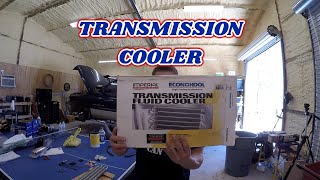
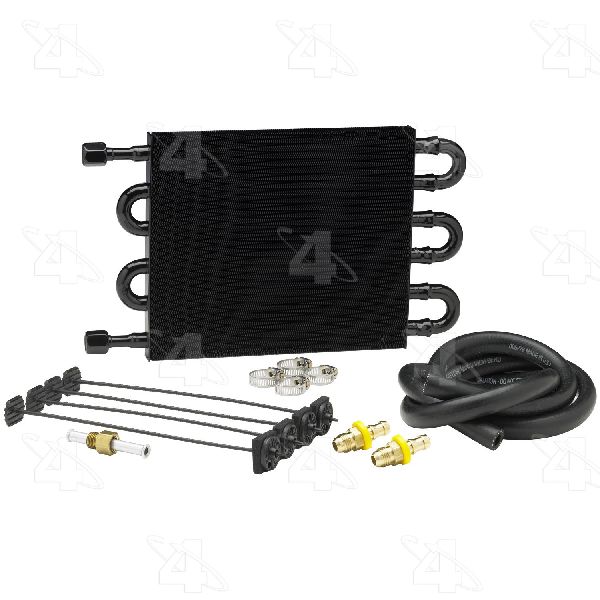
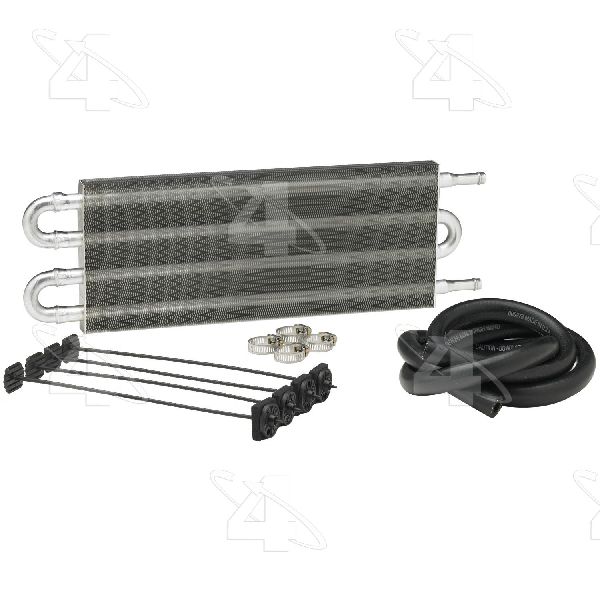
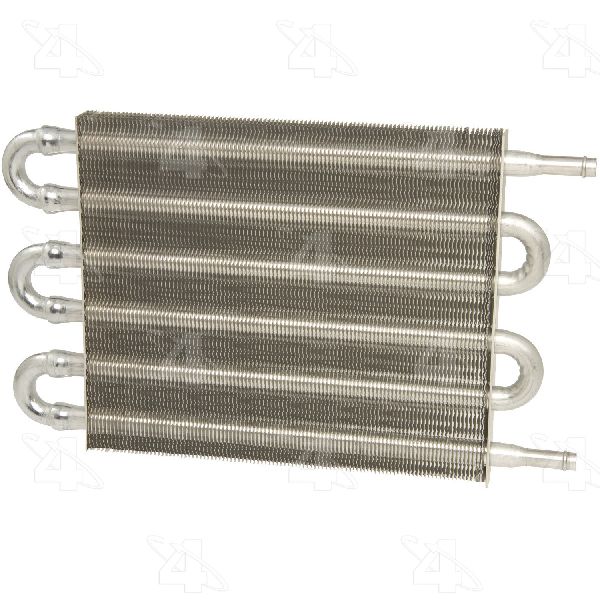
When you replace your Saturn Ion's transmission cooler, you are usually buying a standalone unit that mounts in front of the radiator. 🎬 Watch: Step-by-step auxiliary transmission cooler installation guide This is a common and reliable repair. Aftermarket brands offer good quality, often at a much lower price than a new radiator from the dealer.
- Tier 1 (Good): Global Parts, Four Seasons
These brands provide a reliable, factory-equivalent replacement. They are a cost-effective choice for daily driving and will restore proper cooling to your transmission. They are widely available and meet standard quality tests. - Tier 1+ (Better): Hayden
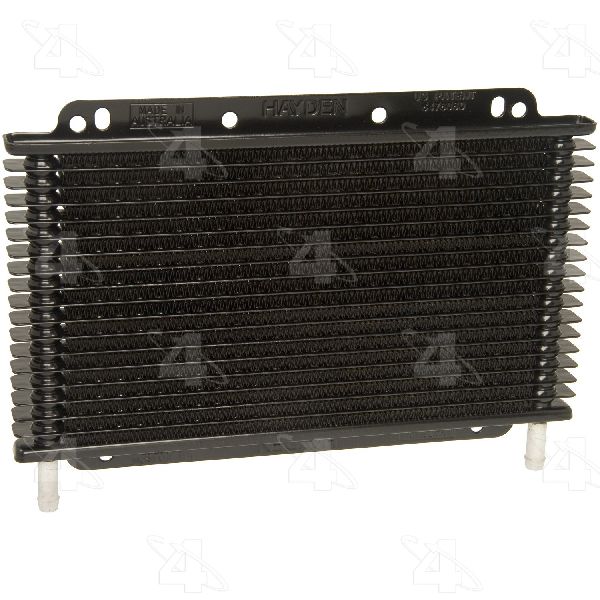
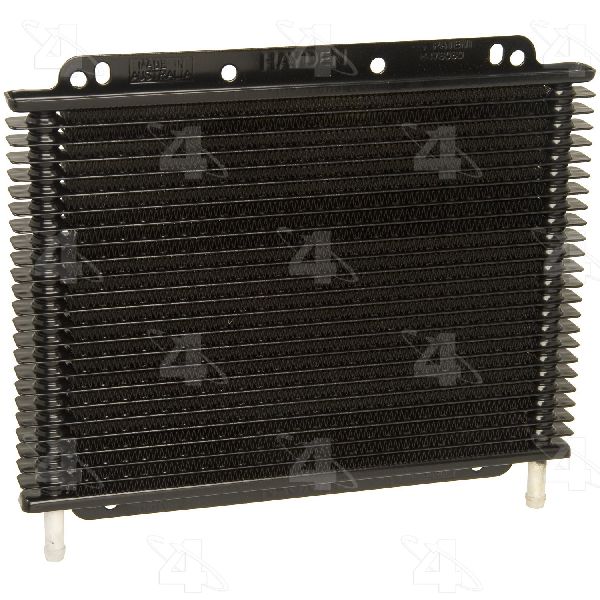
Hayden is a very well-known and respected brand for transmission coolers. They are known for excellent quality and durability. Many mechanics and DIYers trust Hayden for its reliable performance, and it's often considered a slight upgrade over standard replacement parts.
OEM vs. Aftermarket: For the Saturn Ion, the original "OEM" cooler is part of the radiator. Replacing it means buying a whole new radiator, which is expensive. A new aftermarket cooler is a separate part that works just as well, or better, for a fraction of the cost. For this repair, aftermarket is the smart and common choice.
Estimated Replacement Costs
The cost to replace a transmission oil cooler can vary. The biggest factors are the price of the parts and the cost of labor in your area.
| Part Type | Estimated Cost |
|---|---|
| New Aftermarket Cooler | $51 - $96 |
| Shop Labor | $150 - $300 |
| Total Estimated Cost | $201 - $396 |
Cost estimates are for the part and labor to install a standalone aftermarket cooler. Prices can vary based on location and vehicle condition.
Frequently Asked Questions
Can I still drive my Saturn Ion with a leaking transmission cooler?
No, it is not recommended. A small leak can quickly become a big one, causing you to lose all your transmission fluid. This can leave you stranded and cause severe, permanent damage to your transmission.
Were there any recalls for the Saturn Ion transmission cooler?
No. There have been no recalls issued by the NHTSA for the transmission oil cooler on the 2003-2007 Saturn Ion. The major recalls for this vehicle were for the ignition switch.
What kind of transmission fluid does my 2003-2007 Saturn Ion need?
According to a General Motors Technical Service Bulletin (TSB), you should use DEXRON-VI automatic transmission fluid. This fluid replaced the older DEXRON-III for these transmissions.
Is replacing the transmission cooler a DIY job?
If you are a confident DIY mechanic, yes. The job can be done in about 1-2 hours. However, the fittings on the radiator can be very difficult to remove due to rust. You may need special line-disconnect tools. If the fittings break, you will need to replace the entire radiator. If you are not comfortable with this risk, it is best to take it to a professional mechanic.
Do I need to replace the filter in my Saturn Ion's transmission?
The Aisin automatic transmission used in many Saturn Ions has an internal filter that is considered non-serviceable. To replace it, the entire transmission must be removed and taken apart. Because of this, it is very important to keep the transmission fluid cool and clean to prevent problems.
Helpful Videos

Technical Specifications
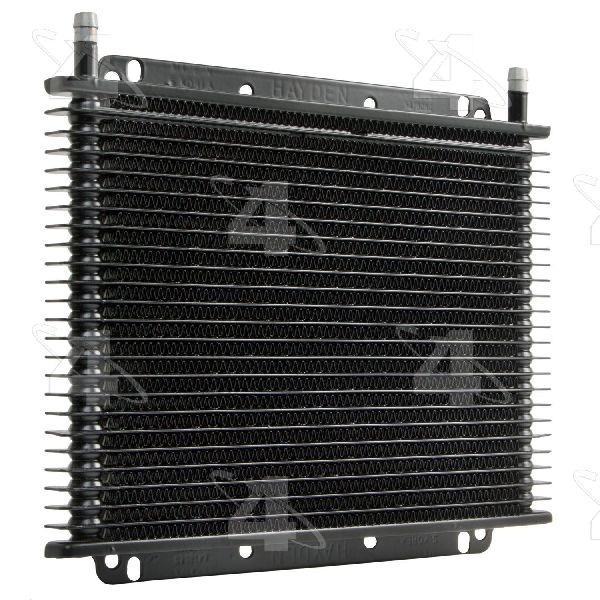
The factory cooler is an integrated part of the engine radiator. Aftermarket replacements are typically standalone plate-and-fin or tube-and-fin style coolers mounted in front of the radiator.
We Have This Part in Stock

The information in this article is provided for general reference and educational purposes only. Vehicle specifications, procedures, and part compatibility can vary by production date, trim level, and region. Always consult your vehicle's factory service manual and verify part numbers before purchasing or performing repairs. Safety-critical components such as airbags, seat belts, and braking systems should be installed by a qualified professional.
- Saturn Ion: