

A Guide to the 2003-2007 Saturn Ion Clutch Master Cylinder
If your clutch pedal feels spongy or sticks to the floor, it's time to understand what's happening and how to fix it.
- A failing clutch master cylinder will cause a spongy pedal, sticking, and difficulty shifting.
- Inspect the plastic clutch pedal and its pushrod connection, as this is a common failure point specific to the Ion.
- The hydraulic system can be difficult to bleed; professional bleeding or a vacuum tool is often recommended.
- For longevity, consider replacing the slave cylinder at the same time, though this requires removing the transmission.
Is Your Saturn Ion Clutch Master Cylinder Failing?


Problems with the clutch master cylinder are common in the Saturn Ion as it ages. The original parts are often made of plastic, and the connection between the pedal and the master cylinder pushrod can wear out. This can lead to a range of shifting issues. Knowing the signs of a failing master cylinder can help you diagnose the problem before you get stranded.
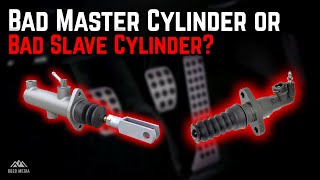
🎬 Watch this guide to diagnosing a bad clutch master cylinder.Top 4 Signs of a Bad Clutch Master Cylinder:
- Spongy or Soft Clutch Pedal: The pedal feels mushy and has little resistance. This is a classic sign that the cylinder isn't building enough hydraulic pressure.
- Clutch Pedal Sticks to the Floor: After you press it down, the pedal doesn't return to its normal position. This can be caused by an internal failure in the master cylinder or air in the hydraulic line.
- Difficulty Shifting Gears: You may find it hard to get the car into gear, or it might grind when you try. This happens because the clutch isn't fully disengaging.
- Low or Dirty Clutch Fluid: The Ion's clutch system shares fluid with the brake reservoir. If the master cylinder is leaking internally or externally, the fluid level may drop or become contaminated, looking dark and murky.
A Common Point of Failure: The Pedal Connection
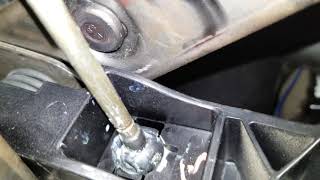
A well-documented issue on Saturn Ions is the failure of the plastic clutch pedal itself or the clip where the master cylinder's pushrod connects. The rod can wear out the plastic bushing on the pedal, eventually punching through it. This makes it impossible to disengage the clutch. 🎬 See how a worn bushing causes the pedal to fail. Sometimes, only the small retaining clip needs to be replaced, but often the pedal or the master cylinder (which includes a new pushrod) is required.
Choosing the Right Aftermarket Clutch Master Cylinder

Since new OEM parts for Saturn are no longer readily available, the aftermarket is your primary source. The quality can vary, but some aftermarket brands offer good value and even improvements over the original plastic design.
Brand Quality Tiers for Saturn Ion
- Good Quality (Tier 1): LuK is often considered an OEM-equivalent brand for many vehicles and generally has a reputation for quality. They produce a wide range of clutch components for the Ion.
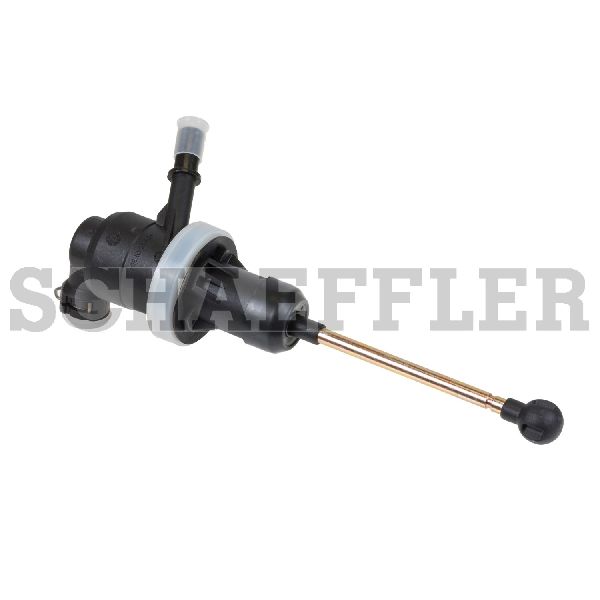
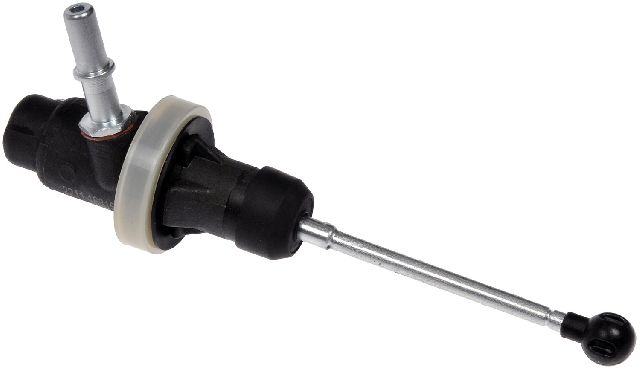
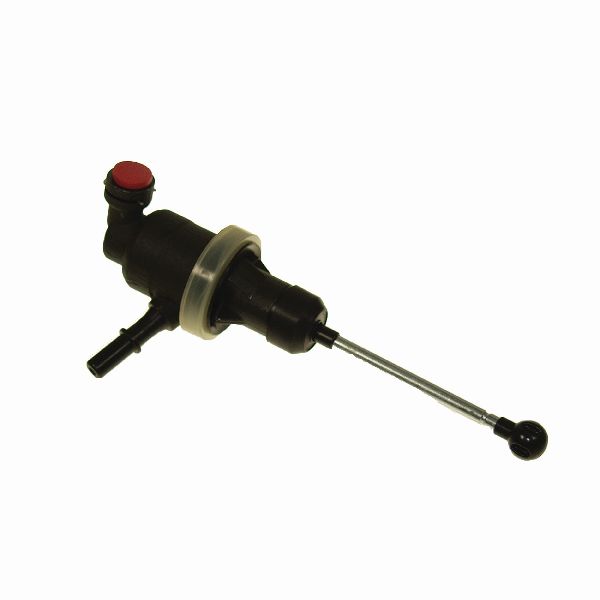
- Standard Quality (Tier 2): Dorman and PERFECTION are common aftermarket brands. Dorman is known for making a vast array of replacement parts, though user reviews suggest their quality can be hit-or-miss. Some users have had success with PERFECTION/Brute Power parts, with some noting they offer upgraded metal bodies instead of plastic. However, others have experienced premature failures.
- Economy (Tier 3): The Replacement brand offers a budget-friendly option. These parts are designed to meet basic fit and function requirements but may not have the same longevity or material quality as higher-tiered brands.
Pro Tip: Replace Hydraulic Components Together
When replacing the clutch master cylinder, it's wise to also replace the slave cylinder and bleed the entire system. The slave cylinder is located inside the transmission bell housing, which means the transmission must be removed to access it. Since this is a labor-intensive job, replacing both hydraulic components at once can save you from having to do it all over again if the old slave cylinder fails soon after.
Cost of Replacing a 2003-2007 Saturn Ion Clutch Master Cylinder
The cost can be broken down into parts and labor. The master cylinder itself is affordable, but labor costs can be higher if you're also replacing the slave cylinder.
| Part/Service | Estimated Cost |
|---|---|
| New Aftermarket Clutch Master Cylinder | $48 - $98 |
| Shop Labor (Master Cylinder Only) | $100 - $200 |
| Shop Labor (Master & Slave Cylinder) | $500 - $900+ (due to transmission removal) |
| Clutch Hydraulic System Bleed | $37 - $54 |
Frequently Asked Questions
Are there any recalls for the Saturn Ion clutch master cylinder?
No, there are no specific recalls for the clutch master cylinder on the 2003-2007 Saturn Ion. There was a major recall for the ignition switch that affected these models, but it is unrelated to the clutch hydraulic system.
Can I replace the clutch master cylinder myself?
Yes, replacing just the master cylinder is a feasible DIY job for someone with moderate mechanical skill. It involves working in the tight space under the dashboard and then bleeding the system. However, if you are also replacing the slave cylinder, the job becomes much more difficult as it requires removing the transmission.
Why is my clutch still not working after replacing the master cylinder?
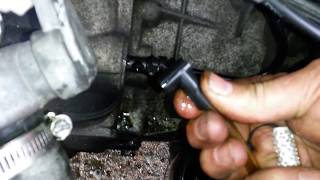
The hydraulic system on the Saturn Ion can be notoriously difficult to bleed. If there is still air in the line, the clutch will not disengage properly. The problem could also be a defective new part or a failing slave cylinder. It's critical to ensure the system is fully bled, which may require vacuum or pressure bleeding tools.
🎬 Learn the proper way to bleed your Ion's clutch system.Does the master cylinder come with the pushrod and pedal clip?
Most new aftermarket master cylinders come as a complete assembly with the pushrod attached. However, the white plastic bushing or clip on the clutch pedal itself is a separate part and is often a point of failure. It's a good idea to inspect the pedal assembly and replace any worn components when you replace the master cylinder.
Helpful Videos
Technical Specifications
OEM Part Numbers: 22697429
The system uses shared brake fluid from the main reservoir. The master cylinder is typically made of plastic for the OEM part, but some aftermarket versions are available in aluminum.
We Have This Part in Stock

The information in this article is provided for general reference and educational purposes only. Vehicle specifications, procedures, and part compatibility can vary by production date, trim level, and region. Always consult your vehicle's factory service manual and verify part numbers before purchasing or performing repairs. Safety-critical components such as airbags, seat belts, and braking systems should be installed by a qualified professional.
- Saturn Ion:
- 🎬 Helpful Videos
- 🛍️ Shop This Part
- Is Your Saturn Ion Clutch Master Cylinder Failing?
- Top 4 Signs of a Bad Clutch Master Cylinder:
- A Common Point of Failure: The Pedal Connection
- Choosing the Right Aftermarket Clutch Master Cylinder
- Brand Quality Tiers for Saturn Ion
- Pro Tip: Replace Hydraulic Components Together
- Cost of Replacing a 2003-2007 Saturn Ion Clutch Master Cylinder
- Frequently Asked Questions
- 🎟️ Get 5% Off