

A Guide to the Starter Motor for the 2003-2007 Saturn Ion
If your Saturn Ion won't crank, the starter might be the problem—but it's not the only possibility.
- Rule out the notorious ignition switch failure before replacing the starter; check for recalls and security light warnings.
- Symptoms like a single click or no crank can also be caused by corroded battery or ground cables, a common issue due to the trunk-mounted battery.
- Replacement is a feasible DIY job that takes 1-2 hours, but access to the top bolt is tight and requires a long extension.
- ACDelco is the premium aftermarket choice for OE-like quality, while MPA offers a reliable, cost-effective alternative.
Is Your Saturn Ion Refusing to Start?

A no-crank or no-start situation in a 2003-2007 Saturn Ion can be frustrating. While a dead starter motor is a common cause, this particular vehicle has other well-known issues that can show the exact same symptoms. Before you buy a new starter, it's important to understand what might be happening.
IMPORTANT: Check the Ignition Switch First!
The 2003-2007 Saturn Ion was part of a major General Motors recall for a faulty ignition switch. A bad switch can prevent power from reaching the starter, making you think the starter has failed. Symptoms of a bad ignition switch include:
- Turning the key results in no crank and no start.
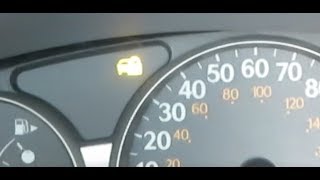
- The 'Security' light on the dash flashes.
- The problem is intermittent, sometimes worse in cold weather.
You can check if your vehicle has an open recall by entering your VIN on the NHTSA website. Many starting problems on these cars are solved by addressing the ignition switch recall 🎬 Watch this video to see how a faulty ignition switch is fixed., not by replacing the starter.
Symptoms of a Truly Bad Starter

If you've ruled out the ignition switch and battery issues, a failing starter on your Ion will typically show one of these signs:
- Single Loud Click: You turn the key and hear one loud 'click' from the engine bay 🎬 See how to diagnose and fix a single-click no-start condition., but the engine doesn't turn over. This often means the starter solenoid is engaging, but the motor itself isn't spinning.
- Whirring or Grinding Noise: You hear a high-pitched spinning or grinding sound when you try to start the car. This can happen when the starter motor spins but its gear fails to properly engage the engine's flywheel.
- No Sound at All: You turn the key and get nothing—no click, no crank. This can point to a completely dead starter, but also to a bad ignition switch or a wiring problem.
- Intermittent Starting: The car starts fine one day but refuses to crank the next. Sometimes, tapping the starter motor with a hammer can temporarily get it to work, which is a classic sign of worn internal components.
Choosing the Right Aftermarket Starter

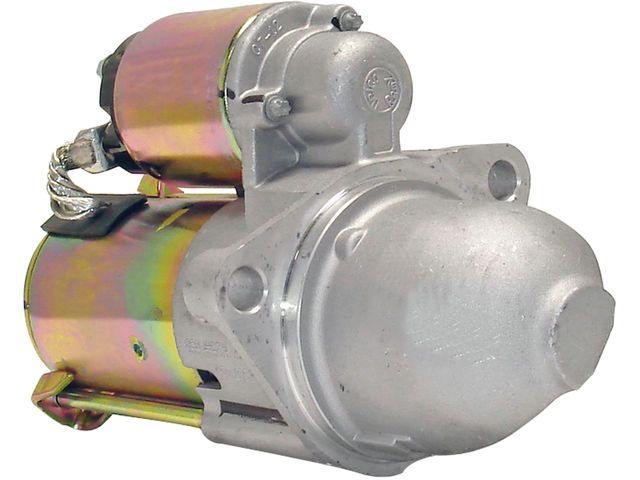
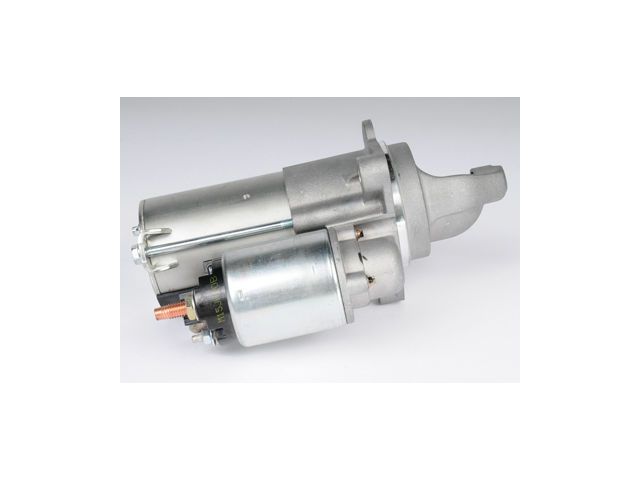
When shopping for a new aftermarket starter for your Ion, you'll find options that balance cost and quality. The two main brands available are ACDelco and MPA.
Brand Quality Tiers
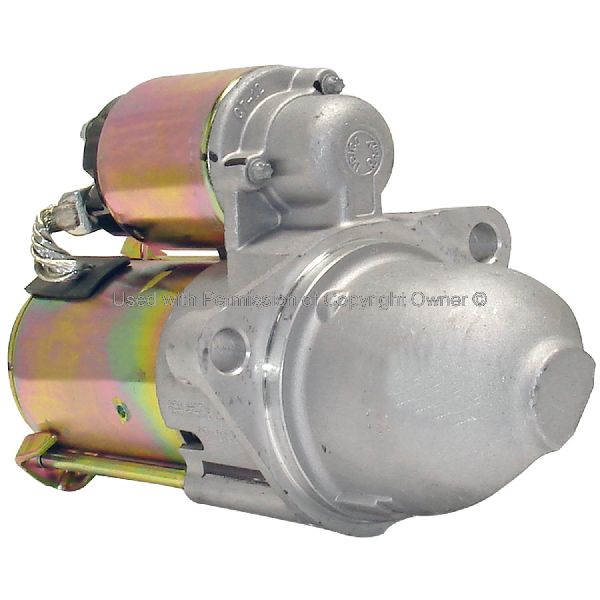
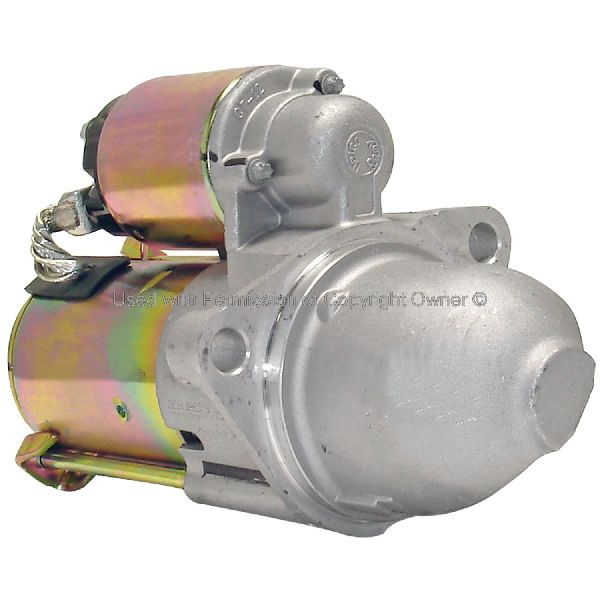
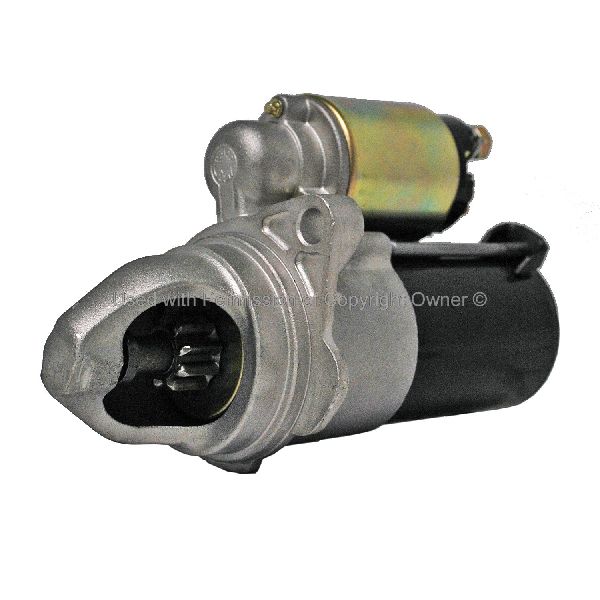
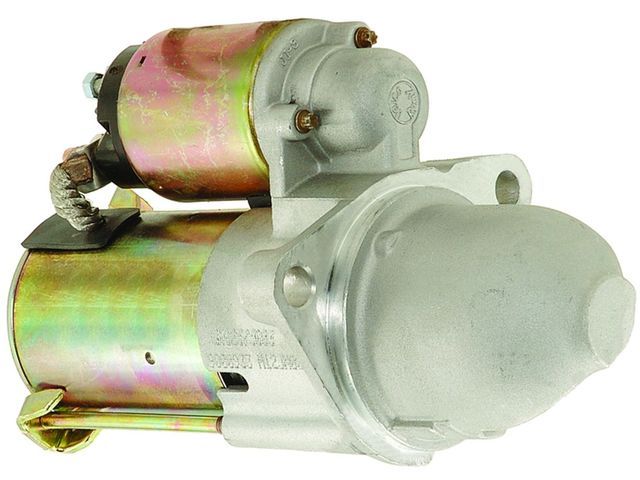
- Premium Aftermarket (ACDelco): ACDelco is General Motors' own parts brand. Choosing a new ACDelco starter is the closest you can get to the original part that your Ion was built with. While many of their parts are now made globally, they are designed to meet original equipment (OE) specifications for fit and performance. This is a reliable choice for owners who want peace of mind and OE-level quality.
- Standard Aftermarket (MPA): MPA (Motor Parts of America) is a large aftermarket manufacturer that offers a more budget-friendly alternative. These starters are built to function as a direct replacement for the original part and provide a good value for the price. For a daily driver where cost is a primary concern, MPA is a solid option.
| Part Type | Estimated Price Range |
|---|---|
| New Aftermarket (MPA, etc.) | $110 - $180 |
| Premium Aftermarket (ACDelco New) | $180 - $295 |
| Shop Labor | $100 - $200 |
Pro Tip: Check Your Cables
The Saturn Ion's battery is located in the trunk. This means there is a long power cable running to the front of the car. Corrosion on the battery terminals in the trunk or on the connections at the starter itself can cause a no-start condition that looks like a bad starter. Always clean and inspect your cables and ground connections before replacing parts.
Frequently Asked Questions (FAQ)

Is it hard to replace the starter on a Saturn Ion?
For a DIYer with some experience, it's a moderately difficult job. The starter is located on the front of the engine, accessible from underneath. 🎬 Follow this step-by-step walkthrough to replace the starter yourself. Access to the top mounting bolt is tight and often requires a long socket extension. You don't need to remove the intake manifold. The job typically takes 1-2 hours. Always disconnect the battery in the trunk before you begin.
What tools are needed to replace the starter?
You will need basic hand tools, including a ratchet, sockets (typically 8mm, 10mm, 13mm, and 15mm), and a long extension. You will also need a jack and jack stands to safely lift and support the vehicle for access from below.
Is a new or remanufactured starter better?
New starters use all-new components and often come with a better warranty, offering peace of mind. High-quality remanufactured starters from reputable brands are rebuilt to OE specifications and can be a good value, but quality can vary more than with new parts. Given the labor involved, many owners prefer the reliability of a new unit.
Could my problem be the security system?
Yes. The Saturn Ion uses a PASSLOCK security system. A fault in the ignition switch can cause the Body Control Module (BCM) to think the car is being stolen and disable the starter. This often triggers a flashing 'Security' light on the dashboard.
Helpful Videos

Technical Specifications
OEM Part Numbers: 12575983 12581306 89017754
Fits 2.0L, 2.2L, and 2.4L Ecotec engines. 12-Volt, Clockwise Rotation. Verify specific part number for your exact engine and transmission combination.
We Have This Part in Stock

The information in this article is provided for general reference and educational purposes only. Vehicle specifications, procedures, and part compatibility can vary by production date, trim level, and region. Always consult your vehicle's factory service manual and verify part numbers before purchasing or performing repairs. Safety-critical components such as airbags, seat belts, and braking systems should be installed by a qualified professional.
- Saturn Ion: